
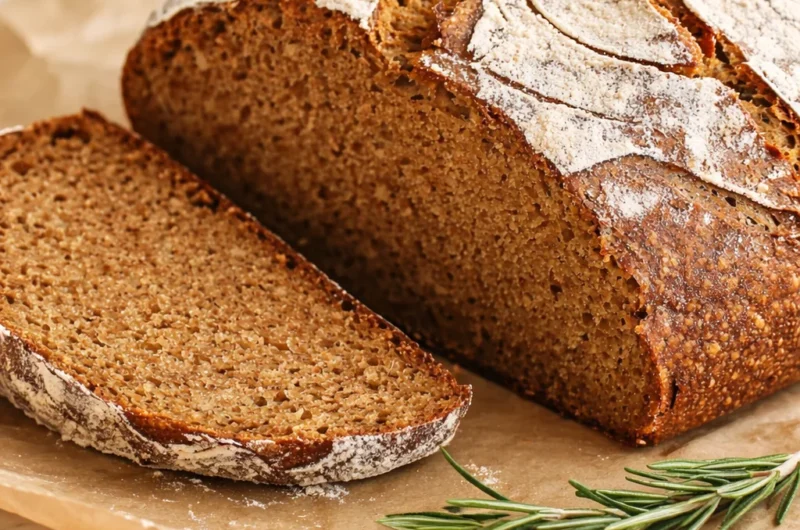






























Authentic German Roggenbrot (Rye Bread) Recipe is one of those things I used to assume you could only get from a proper German bakery, the kind with fogged up windows and the smell of toasted grain hitting you the second you walk in. But then I got tired of buying “rye bread” that tasted like plain sandwich bread with a few caraway seeds tossed in. If you have ever baked a loaf that came out dry, weirdly dense, or just bland, you are absolutely not alone. The good news is that Roggenbrot is totally doable at home once you know what to look for. Let me walk you through the way I make it in my own kitchen, without fancy gear or complicated steps.
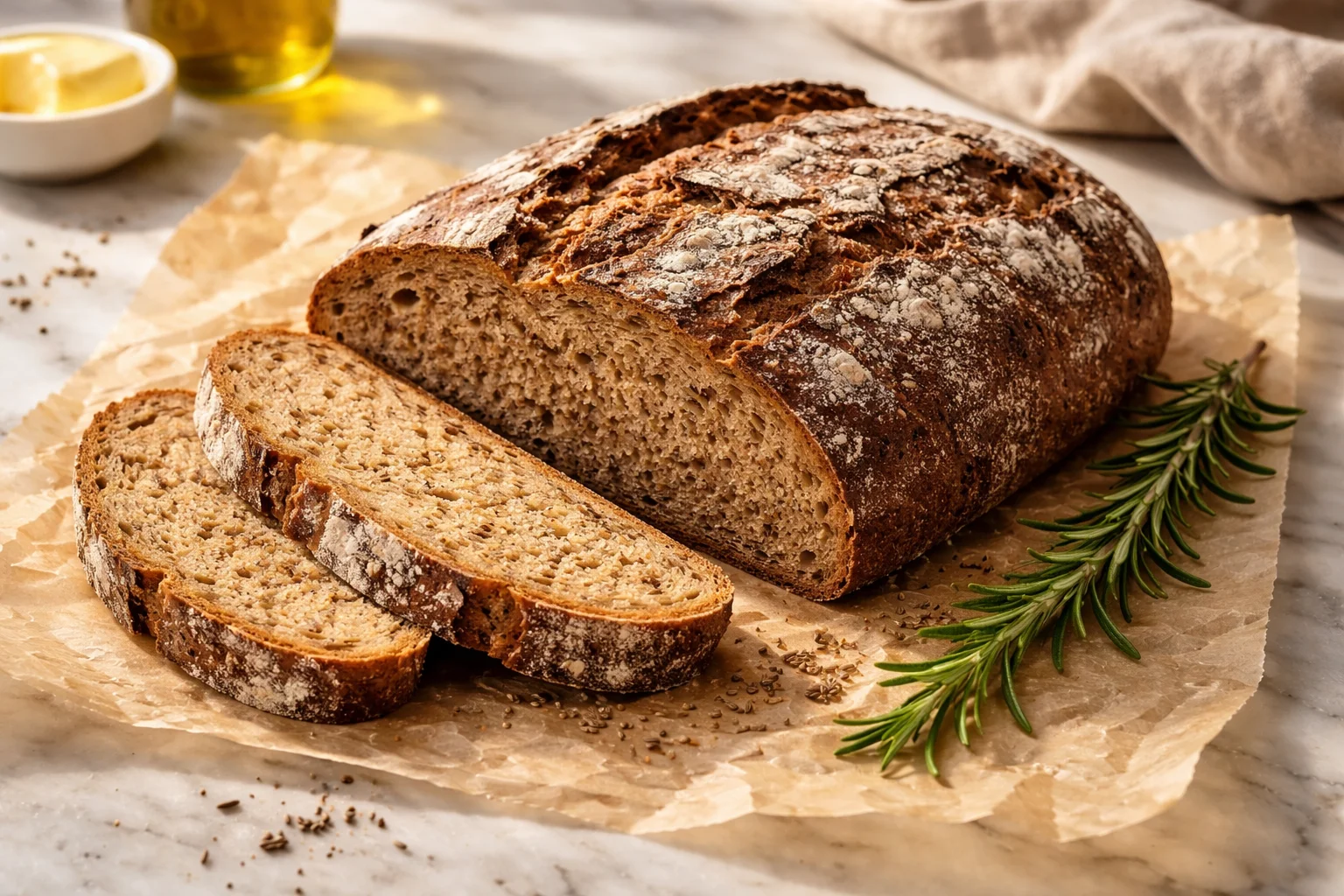
How to bake German Rye Bread
I am going to be real with you, German rye bread is different from fluffy white loaves. It is meant to be hearty, slightly tangy, and sliceable. When you do it right, it has that deep grain flavor and a moist crumb that stays good for days.
My go to method (simple, reliable, and very home kitchen friendly)
Here is the basic flow. You do not need to be a bread expert, but you do need a little patience because rye likes a longer rest.
- Mix your starter or sourdough, rye flour, some wheat flour, water, salt, and a tiny bit of yeast (optional but helpful).
- Rest the dough so the flour fully hydrates. Rye really drinks up water.
- Shape it gently. This is not a knead forever dough.
- Proof until it has visibly risen and feels airy.
- Bake hot at first, then lower the heat to finish slowly for that dark crust.
- Cool fully before slicing. This part is hard but important.
If you are used to stretchy doughs, rye dough can feel sticky and kind of like wet cement. That is normal. I usually bake it in a loaf pan when I want an easy shape and clean slices.
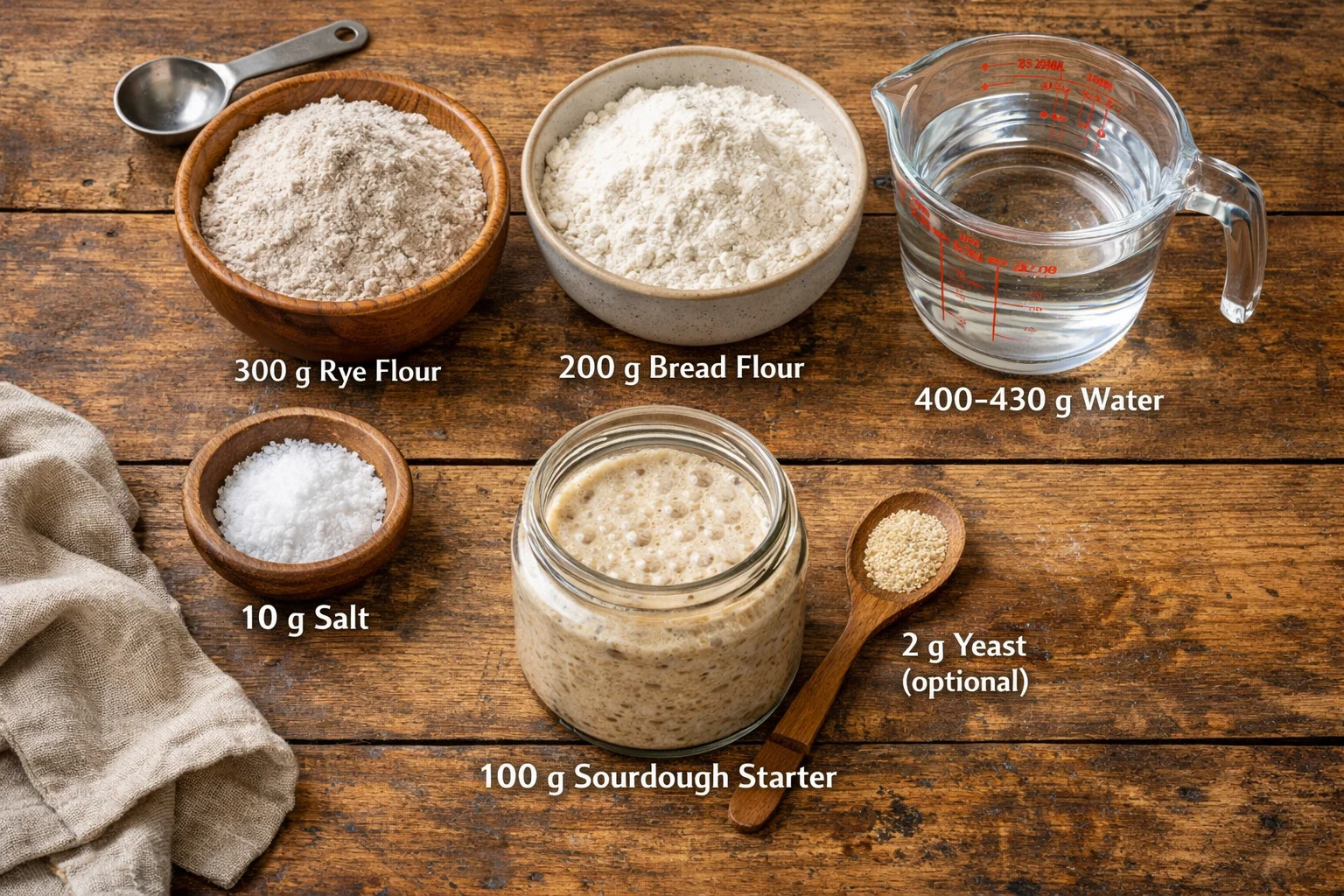
Quick ingredient amounts for one loaf:
Rye flour about 300 g
Bread flour or all purpose about 200 g
Water about 400 to 430 g (start lower, add if needed)
Salt 10 g
Sourdough starter 100 g (active) or rye sour for flavor
Optional yeast 2 g for a little insurance
After baking, let the loaf cool at least 6 hours, overnight is even better. Roggenbrot sets as it cools, and slicing too early can make it gummy.
By the way, if you like baking other cozy staples, I keep a few everyday recipes linked on my site. This one pairs so nicely with soups and spreads, kind of like the vibe I go for in my other comfort food recipes when I want something simple but satisfying.
Key Ingredients & Substitutions for Roggenbrot
Let us talk ingredients, because this is where most “rye bread fails” happen. The goal is real flavor and the right texture, not just tossing in a spoonful of rye flour and calling it done. For German rye bread, rye is the star, but it often plays well with a little wheat.
Rye flour: Dark rye gives you stronger flavor and color. Medium rye is a bit lighter. If you only have light rye, you can still make a tasty loaf, just expect a milder bread.
Wheat flour: This helps the loaf hold structure. Bread flour is great, but all purpose works too. If you go 100 percent rye, expect a denser loaf and be extra careful with cooling time.
Sourdough or rye sour: This is the “authentic” part for me. The gentle tang makes Roggenbrot taste like it belongs on a German breakfast table. No starter yet? You can use a small amount of yeast plus a spoon of vinegar or yogurt for a little tang, but it will not be exactly the same.
Salt: Do not cut it too much. Rye needs salt to taste balanced.
Seeds (optional): Caraway is classic. Sunflower seeds are amazing too. If you add seeds, you may need a splash more water.
Substitution tip I use all the time: if I am short on dark rye, I mix light rye with a teaspoon or two of cocoa powder for color. Not for sweetness, just for the look. It is not traditional, but it works in a pinch.
And if you are building a little “bread night” routine, I also like having quick toppings ready. I have a simple guide linked here that fits perfectly with this loaf: easy savory spreads and toppings.
;
“I tried this at home after years of buying rye bread that tasted bland. The loaf smelled like a real bakery, and the slices held up perfectly under butter and cheese. Waiting overnight to cut it was the hardest part, but it was worth it.”
Expert Tips for the Best Roggenbrot
These are the little things I wish someone had told me earlier. Roggenbrot is forgiving in some ways, but it also has its own rules.
1. Use wetter dough than you think.
Rye flour absorbs water slowly. If the dough looks too dry at mixing time, the baked bread can come out crumbly. I aim for sticky but scoopable.
2. Do not over knead.
Rye does not build gluten the same way wheat does. Long kneading just makes it stickier without giving you that stretchy strength you expect.
3. Steam helps the crust.
If you have a Dutch oven, use it. If not, place a small pan of hot water on the bottom rack for the first 15 minutes. That little bit of steam helps the crust set nicely.
4. Bake longer than you think you need.
A deeper bake is what gives German rye bread that dark, slightly bold flavor. I would rather bake five extra minutes than pull it early and get a gummy center.
5. Cool it fully.
I know I already said it, but I am saying it again because it matters. Rye breads keep cooking internally as they cool. I usually wrap the cooled loaf in a clean towel and let it sit overnight for best slicing.
One more practical thing: take notes. Even quick notes like “added 30 g water” or “proofed 70 minutes” will help you nail it next time. Bread is part recipe, part weather report.
Also, if you are the kind of person who likes planning a full meal around bread (hi, same), you might like this: my weeknight soup ideas. Roggenbrot with a hot bowl of soup is one of those simple joys.
Tips for Working with Mixed-Flour Rye Bread Dough
When you mix rye with wheat, you get a loaf that is easier to handle but still tastes like Roggenbrot. I do this most often because I want that authentic vibe without stressing over a brick heavy loaf.
Use your hands like a scraper. Wet hands beat floured hands for rye dough. Flour can make shaping messy and can leave streaks in the dough.
Give it a short rest before shaping. Even 15 minutes helps the dough relax and hydrate, and it becomes easier to form into a loaf shape.
Pan baking is your friend. For mixed flour rye, a loaf pan gives you structure and makes slicing super neat. If you want a free form loaf, keep the hydration a little lower and use parchment paper.
Watch the proof, not the clock. Depending on your kitchen temperature, proofing can take 45 minutes or it can take 2 hours. I look for a dough that has risen noticeably and shows little bubbles near the surface.
Once you bake a couple loaves, the dough stops feeling mysterious. And honestly, that is when it starts getting fun.
What Goes into German Dark Rye
German dark rye bread gets its signature personality from a few things working together. It is not just “use a darker flour” and done. The depth comes from fermentation, the bake, and the grain.
Dark rye flour or whole rye flour brings more bran and that earthy taste. Some bakers also use rye meal, which is more coarse. If you ever bite into a slice and notice a gentle chew, that is often why.
Sourdough fermentation is a big deal here. It is not only for flavor, it also helps rye behave better in the oven and gives the loaf a pleasant sliceable texture.
A longer bake builds that darker crust and richer smell. That is the “wow” moment when you open the oven and the kitchen suddenly smells like a bakery.
For serving, I keep it classic: butter and flaky salt, or cream cheese with smoked fish, or sharp cheese with cucumber slices. This is the kind of loaf that can handle bold toppings and still shine.
Common Questions
Can I make Roggenbrot without sourdough starter?
Yes. Use a small amount of yeast to rise the dough and add a little vinegar or yogurt for a touch of tang. It will still be good, just less traditional in flavor.
Why is my rye bread gummy in the middle?
Most of the time it is either under baked or sliced too soon. Bake a bit longer next time and let it cool completely, ideally overnight.
Do I need a loaf pan?
No, but it makes life easier. Rye dough can spread, so a pan helps you get a taller loaf and cleaner slices.
How do I store German rye bread so it stays fresh?
I wrap it in a clean towel or paper bag for the first day, then move it to a sealed container. It also freezes really well in slices.
What should I eat with German rye bread?
Butter and jam for breakfast, cheese and pickles for lunch, or alongside soup for dinner. It is a sturdy bread, so it holds up to hearty toppings.
A loaf worth the wait
If you take anything from this post, let it be this: Roggenbrot rewards patience. Keep the dough a bit wet, do not overwork it, bake it thoroughly, and let it cool before you slice. Once you get comfortable with it, German rye bread becomes one of those recipes you make on repeat because it feels practical and special at the same time. If you want to explore a close cousin, check out German Rye-Wheat Bread with Sourdough: Mischbrot, and if you want another helpful walk through, this Authentic German Roggenbrot (Rye Bread) Recipe is a nice reference too. Now go heat up the oven, and please tell me what you topped your first slice with.
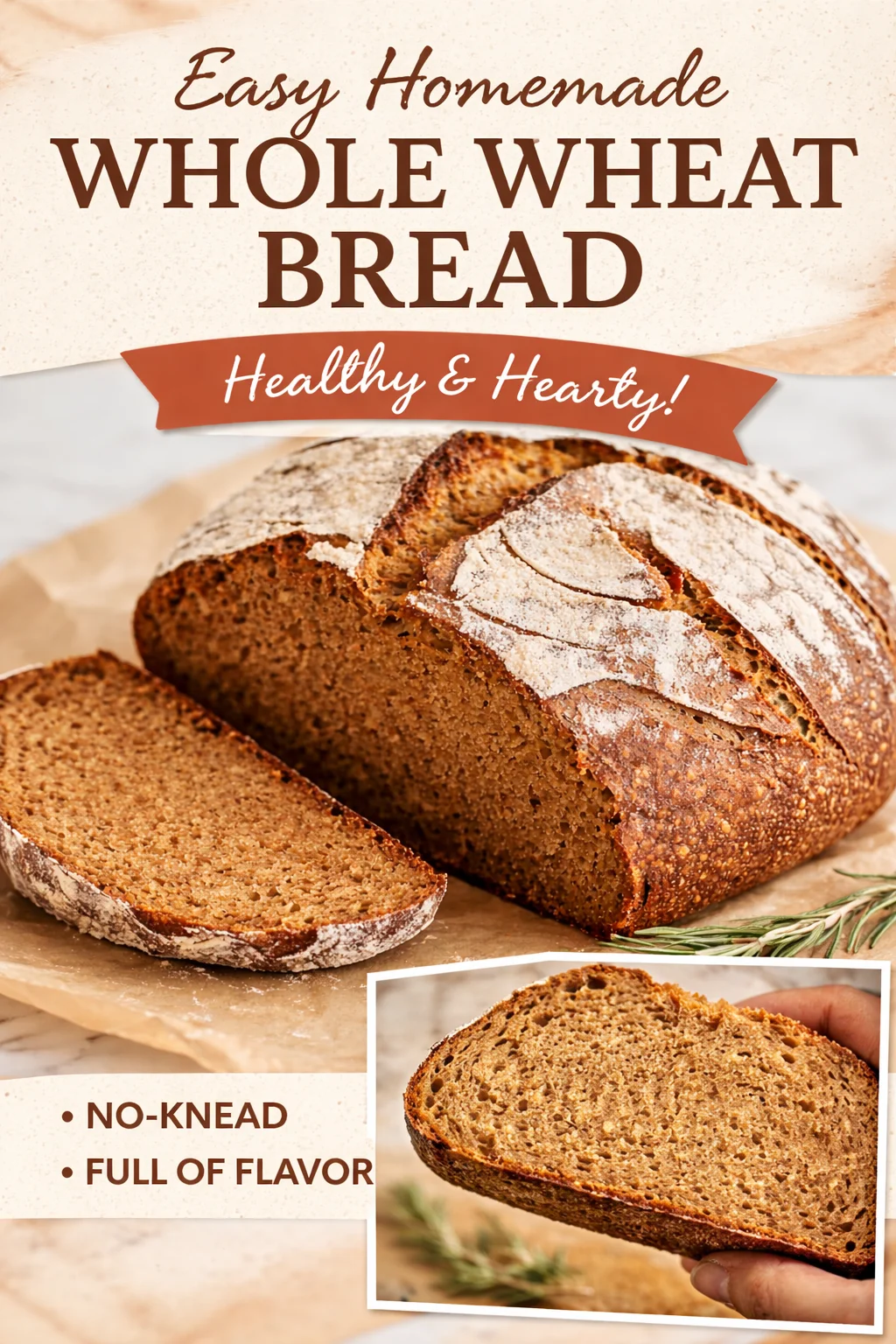
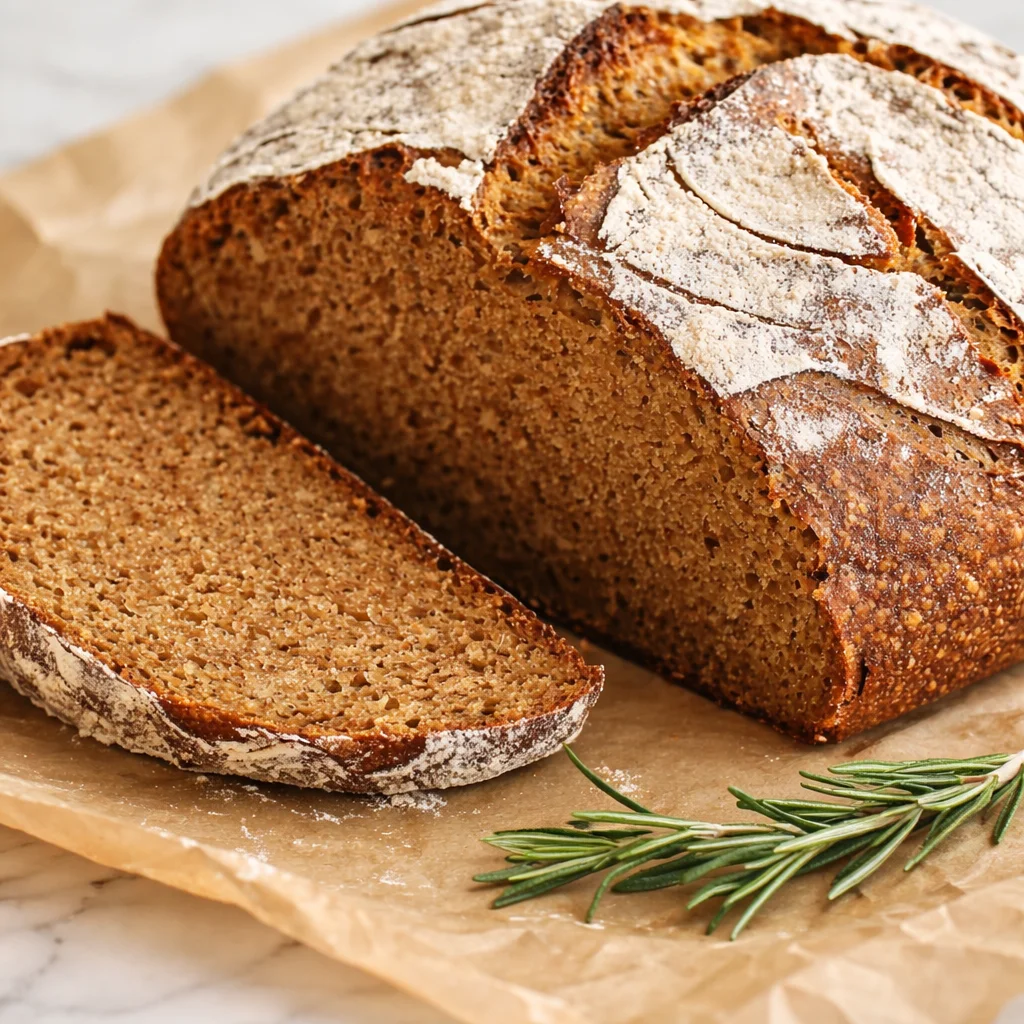
German Rye Bread
Ingredients
Method
- Mix the sourdough starter, rye flour, bread flour, water, salt, and optional yeast in a large bowl.
- Let the dough rest to allow the flour to fully hydrate, about 15-30 minutes.
- Shape the dough gently; avoid over-kneading.
- Proof the dough until it has visibly risen and feels airy, anywhere from 45 minutes to 2 hours.
- Preheat your oven hot.
- Transfer the dough to a loaf pan and bake, first at high heat, then lower the temperature to finish baking, aiming for a deeper bake.
- Once baked, let the loaf cool fully for at least 6 hours, or overnight before slicing.