
















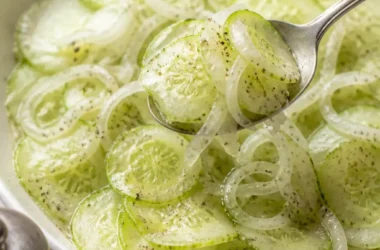











Traditional German Sauerkraut Recipe is one of those things that sounds “fancy old world” until you realize it is basically cabbage, salt, and a little patience. If you have ever bought sauerkraut and thought it tasted too sour, too mushy, or just kind of flat, making it at home is such a game changer. I started doing it because I wanted that crisp bite and clean tang you get at good German spots. Also, it is ridiculously satisfying to turn a humble cabbage into something that makes sausages and sandwiches instantly better. I will walk you through it like I would if you were standing in my kitchen with me. 
Why You’ll Love This German Sauerkraut Recipe
This is my go to method because it is simple, consistent, and does not need any weird equipment. A Traditional German Sauerkraut Recipe is all about letting good ingredients do their thing, and once you taste the homemade version, it is hard to go back.
Here is why I think you will actually stick with it:
- Only two main ingredients: cabbage and salt. Everything else is optional.
- Fresh crunch: you control the texture by when you stop fermenting.
- Budget friendly: one cabbage makes a lot.
- Easy to fit into meals: hot, cold, on the side, or piled into a sandwich.
And honestly, there is a cozy feeling that comes from having a jar of something you made yourself sitting on the counter, bubbling away like it is alive. If you like making pickles, kimchi, or even quick fridge veggies, this will feel like home.
Also, if you are building a little “German night” at home, you can pair this with whatever you already cook. I like it with roast chicken, sausages, or a simple bowl meal with potatoes. If you have other German classics on your list, you might also like checking out my German potato side ideas if that is on your site list later.
What Is Sauerkraut?
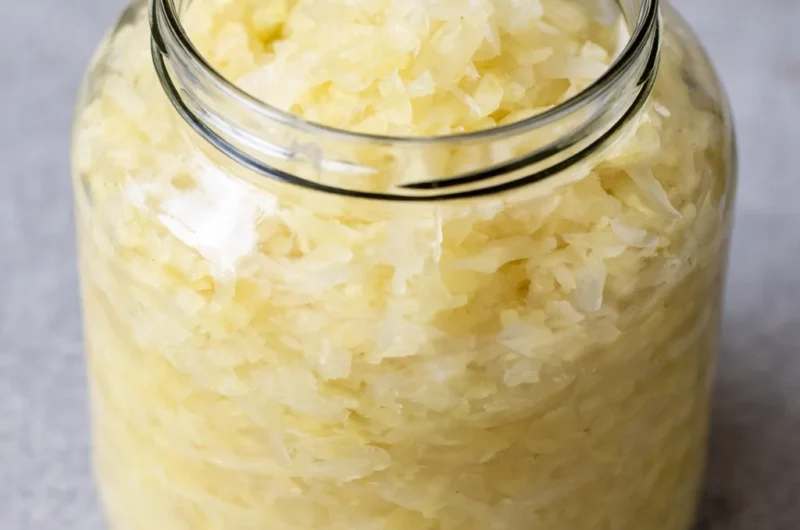
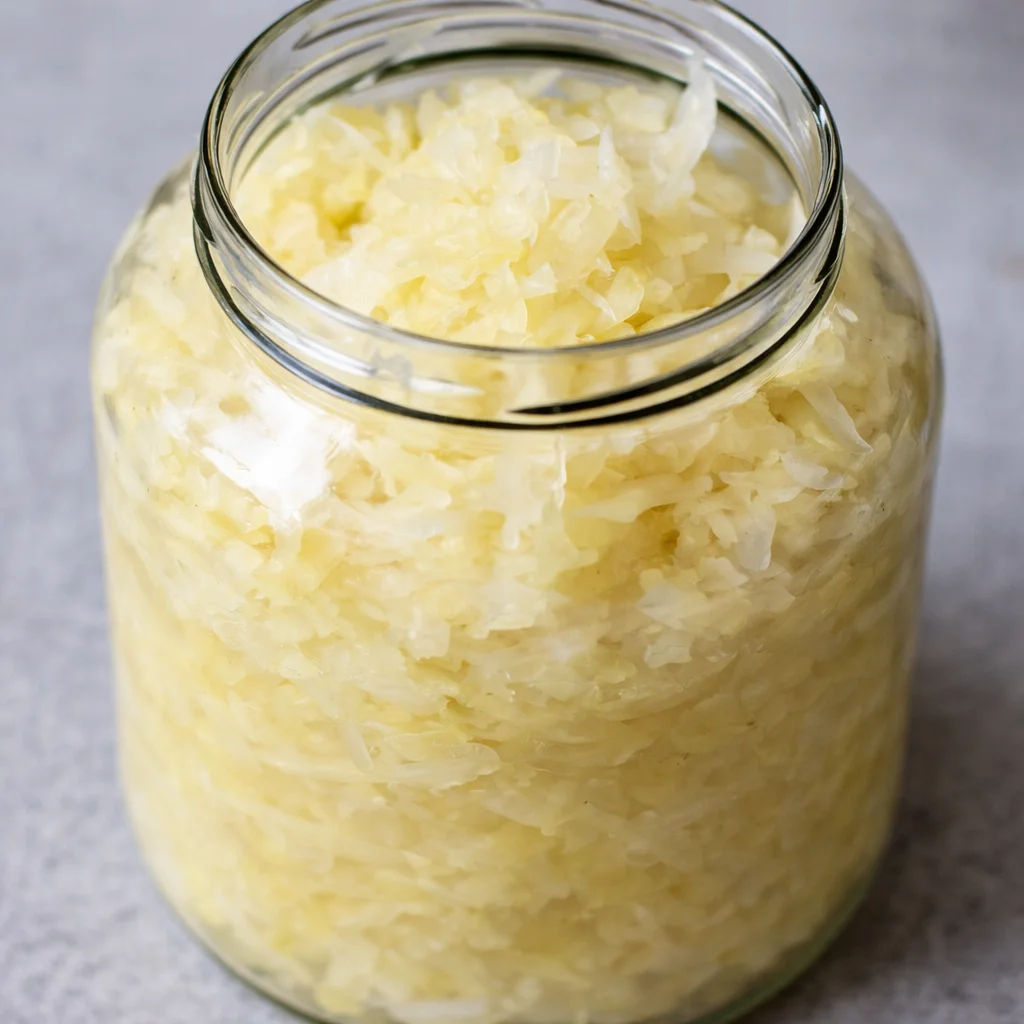
Sauerkraut is fermented cabbage. That is it. You shred cabbage, mix it with salt, and the cabbage releases liquid that becomes its own brine. Over time, the cabbage softens a bit and develops that signature tangy flavor.
The reason it works is that the salt helps the “good” fermentation happen while discouraging the stuff you do not want. It is not complicated, but it does reward you for being clean, careful, and a little patient.
Flavor wise, homemade sauerkraut tastes brighter and more cabbage forward than most store versions. Store bought is often cooked or packaged in a way that dulls the flavor. When you make it, you can stop when it is lightly tangy or keep going for a deeper sour punch.
Quick note on safety, because people worry about this: if your cabbage is kept under the brine and your jar is clean, you are in a good place. It should smell pleasantly sour and fresh, kind of like a pickle, not rotten or foul. If you want another simple fermented project after this, you could link readers to something like my easy homemade pickles guide if that is available in your internal list.
How To Make This German Sauerkraut Recipe

Alright, let us make it. This Traditional German Sauerkraut Recipe uses the classic ratio and keeps things very hands on. You do not need a fancy crock. A big jar works great.
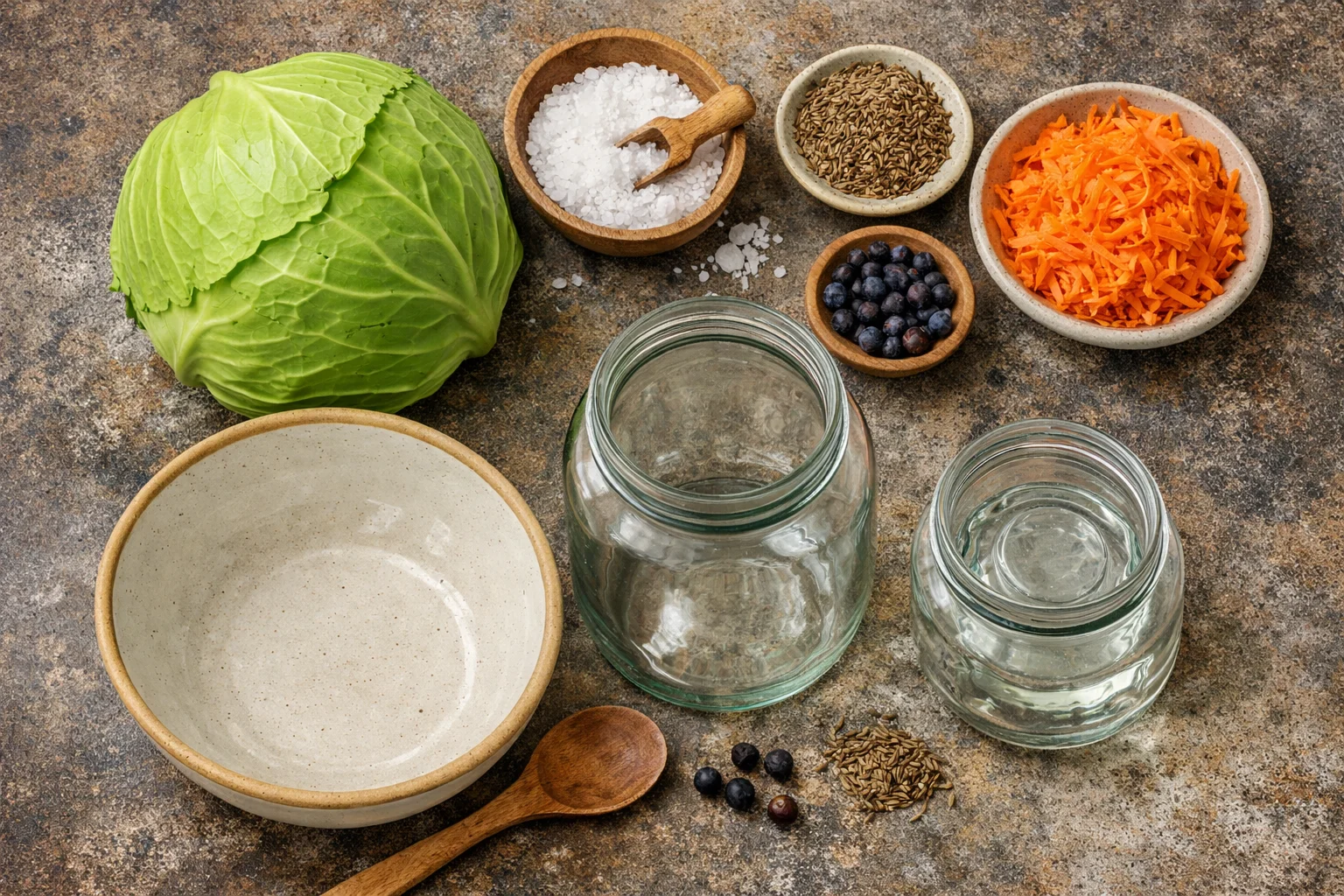
What you will need
- 1 medium green cabbage (about 2 to 3 pounds)
- Non iodized salt (sea salt or pickling salt)
- 1 large wide mouth jar or a very clean food safe container
- A bowl for mixing
- Something to weigh cabbage down (a smaller jar, a fermentation weight, or a clean bag filled with water)
Ingredients and simple ratio
The easiest way is by weight: use about 2 percent salt compared to the weight of your shredded cabbage. If you do not want to weigh, a practical home shortcut is about 1 and a half to 2 teaspoons of salt per pound of cabbage. It does not need to be perfect, but do not go too low on salt.
Optional add ins if you like a more traditional German vibe:
- Caraway seeds
- Juniper berries (a few, lightly crushed)
- Shredded carrot for a little sweetness
Directions
1) Clean your jar and tools with hot soapy water and rinse well. You do not need to sterilize like canning, just be clean.
2) Peel off any sad outer cabbage leaves and set one clean leaf aside. You can use it later as a little “cap” to help keep shreds under the brine.
3) Cut cabbage into quarters, remove the core, then slice it thin. Think coleslaw thin.
4) Put cabbage in a big bowl and sprinkle salt over it. Let it sit 10 minutes.
5) Now the fun part: massage and squeeze the cabbage with clean hands for 5 to 8 minutes. It will start to soften and get juicy. You are looking for a good puddle of liquid in the bowl.
6) Pack the cabbage into your jar a handful at a time. Press down firmly each time so you push out air pockets and bring the liquid up.
7) Pour any remaining liquid from the bowl into the jar. The cabbage should be covered by brine. If it is not, give it a little more pressing time. If you truly need more liquid, top off with a small amount of salt water (1 teaspoon salt dissolved in 1 cup water).
8) Use that reserved cabbage leaf on top, then add your weight. The goal is to keep all cabbage under the brine.
9) Cover the jar opening with a loose lid or a clean cloth secured with a band. It needs to release gas.
10) Place it on a plate or tray (it can bubble over) and leave it at cool room temperature, ideally around 65 to 72 F.
I usually start tasting around day 5. Some batches are perfect at 7 days, some I like at 14. You decide what “ready” tastes like in your house.
“I tried this method with just cabbage and salt, and by day 8 it tasted like the sauerkraut my Oma used to serve with sausages. I was shocked it was that easy.”
If your readers like experimenting, you can also point them to another fermented friendly recipe on your site such as my simple fermented veggie mix if that internal link exists in your list.
How Do I Know Sauerkraut Is Ready?
This part is very “trust your senses” and that is honestly why I love it. You are not baking a cake, you are watching food change a little every day.
Here are the signs your Traditional German Sauerkraut Recipe is getting close:
Smell: It should smell tangy, clean, lightly sour, kind of like a good dill pickle. If it smells rotten, composty, or like garbage, do not eat it.
Taste: Start tasting after 5 days. If it tastes like salty cabbage, it needs more time. If it tastes pleasantly sour and you like it, it is ready.
Look: Bubbles are normal, especially in the first week. The brine may get a little cloudy. That is also normal.
Texture: It should still have some bite. If you prefer softer sauerkraut for cooking, let it go longer.
One more thing: a thin white film on top can happen if cabbage bits float up. That is why we keep it submerged. If you see a little film, skim it off, make sure everything is under brine, and keep going. Fuzzy mold in bright colors is a no.
Top Tips for Making Homemade Sauerkraut
These are the small things that make a big difference, especially if it is your first time.
Keep cabbage under the brine. This is the number one tip. If shreds float up and dry out, you invite mold.
Do not rush the squeezing step. If you massage the cabbage well, it makes enough brine naturally and your ferment stays happy.
Use the right salt. Non iodized salt is your friend. Iodized table salt can act weird for fermenting and may cloud the brine more.
Pick a good spot. Too hot makes it ferment fast and sometimes taste harsh. Too cold makes it sluggish. A cool corner of your kitchen is usually perfect.
Once it tastes good, chill it. Move it to the fridge and put on a normal lid. Cold slows fermentation way down. It will keep for weeks and often months if kept clean and submerged.
How I like to serve it: I love it warm with sautéed onions and apples, or cold as a crunchy topping. If I am cooking it, I add it late so it does not turn to mush.
Common Questions
Do I need a special fermentation jar or airlock?
Nope. They are nice, but not required. A clean jar with a loose lid and a weight works great.
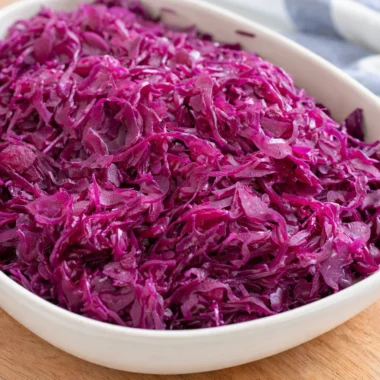
Can I use red cabbage?
Yes, and it is beautiful. The flavor is a little different, slightly earthier. The method stays the same.
Why is my sauerkraut not making enough liquid?
Usually it just needs more squeezing and pressing. If it is still dry, top off with a little salt water so the cabbage stays submerged.
How long does homemade sauerkraut last in the fridge?
In my fridge it easily lasts a month or more. Keep it covered with brine, use clean utensils, and it stays in good shape.
Can I cook it right away after fermenting?
Absolutely. Ferment it to the tang you like, then cook it with sausage, potatoes, or a splash of broth. Cooking changes the vibe, softer and more mellow.
A cozy final note before you start chopping
If you try this Traditional German Sauerkraut Recipe, give yourself permission to keep it simple the first time. Cabbage, salt, clean jar, and a little patience really can turn into something special. If you want to compare approaches, I found this Authentic German Sauerkraut Recipe | Our Gabled Home and this helpful walkthrough, How To Make Sauerkraut (German Recipe) – Elavegan, both nice for extra perspective. Now go grab a cabbage and make your kitchen smell like something wonderful is happening.


German Sauerkraut
A simple and satisfying recipe for homemade German sauerkraut using just cabbage and salt for a tangy, crunchy side dish.
Ingredients
Method
Preparation- Clean your jar and tools with hot soapy water and rinse well.
- Peel off any sad outer cabbage leaves, and set one clean leaf aside.
- Cut the cabbage into quarters, remove the core, then slice it thin.
- Put cabbage in a big bowl and sprinkle salt over it. Let it sit for 10 minutes.
Massaging Cabbage- Massage and squeeze the cabbage with clean hands for 5 to 8 minutes until it becomes juicy.
- Pack the cabbage into your jar a handful at a time. Press down firmly to push out air pockets.
- Pour any remaining liquid from the bowl into the jar, ensuring the cabbage is covered by brine.
Fermentation- Use the reserved cabbage leaf on top, then add your weight to keep the cabbage submerged.
- Cover the jar opening with a loose lid or a clean cloth secured with a band.
- Leave it at cool room temperature (ideally 65 to 72 F) and start tasting after 5 days.
Notes
Keep cabbage under the brine to prevent mold. If shreds float up and dry out, it may invite mold. Use non-iodized salt to help maintain a clear brine. Once it tastes good, move it to the fridge to slow fermentation.


Alright, let us make it. This Traditional German Sauerkraut Recipe uses the classic ratio and keeps things very hands on. You do not need a fancy crock. A big jar works great.
What you will need
- 1 medium green cabbage (about 2 to 3 pounds)
- Non iodized salt (sea salt or pickling salt)
- 1 large wide mouth jar or a very clean food safe container
- A bowl for mixing
- Something to weigh cabbage down (a smaller jar, a fermentation weight, or a clean bag filled with water)
Ingredients and simple ratio
The easiest way is by weight: use about 2 percent salt compared to the weight of your shredded cabbage. If you do not want to weigh, a practical home shortcut is about 1 and a half to 2 teaspoons of salt per pound of cabbage. It does not need to be perfect, but do not go too low on salt.
Optional add ins if you like a more traditional German vibe:
- Caraway seeds
- Juniper berries (a few, lightly crushed)
- Shredded carrot for a little sweetness
Directions
1) Clean your jar and tools with hot soapy water and rinse well. You do not need to sterilize like canning, just be clean.
2) Peel off any sad outer cabbage leaves and set one clean leaf aside. You can use it later as a little “cap” to help keep shreds under the brine.
3) Cut cabbage into quarters, remove the core, then slice it thin. Think coleslaw thin.
4) Put cabbage in a big bowl and sprinkle salt over it. Let it sit 10 minutes.
5) Now the fun part: massage and squeeze the cabbage with clean hands for 5 to 8 minutes. It will start to soften and get juicy. You are looking for a good puddle of liquid in the bowl.
6) Pack the cabbage into your jar a handful at a time. Press down firmly each time so you push out air pockets and bring the liquid up.
7) Pour any remaining liquid from the bowl into the jar. The cabbage should be covered by brine. If it is not, give it a little more pressing time. If you truly need more liquid, top off with a small amount of salt water (1 teaspoon salt dissolved in 1 cup water).
8) Use that reserved cabbage leaf on top, then add your weight. The goal is to keep all cabbage under the brine.
9) Cover the jar opening with a loose lid or a clean cloth secured with a band. It needs to release gas.
10) Place it on a plate or tray (it can bubble over) and leave it at cool room temperature, ideally around 65 to 72 F.
I usually start tasting around day 5. Some batches are perfect at 7 days, some I like at 14. You decide what “ready” tastes like in your house.
“I tried this method with just cabbage and salt, and by day 8 it tasted like the sauerkraut my Oma used to serve with sausages. I was shocked it was that easy.”
If your readers like experimenting, you can also point them to another fermented friendly recipe on your site such as my simple fermented veggie mix if that internal link exists in your list.
How Do I Know Sauerkraut Is Ready?
This part is very “trust your senses” and that is honestly why I love it. You are not baking a cake, you are watching food change a little every day.
Here are the signs your Traditional German Sauerkraut Recipe is getting close:
Smell: It should smell tangy, clean, lightly sour, kind of like a good dill pickle. If it smells rotten, composty, or like garbage, do not eat it.
Taste: Start tasting after 5 days. If it tastes like salty cabbage, it needs more time. If it tastes pleasantly sour and you like it, it is ready.
Look: Bubbles are normal, especially in the first week. The brine may get a little cloudy. That is also normal.
Texture: It should still have some bite. If you prefer softer sauerkraut for cooking, let it go longer.
One more thing: a thin white film on top can happen if cabbage bits float up. That is why we keep it submerged. If you see a little film, skim it off, make sure everything is under brine, and keep going. Fuzzy mold in bright colors is a no.
Top Tips for Making Homemade Sauerkraut
These are the small things that make a big difference, especially if it is your first time.
Keep cabbage under the brine. This is the number one tip. If shreds float up and dry out, you invite mold.
Do not rush the squeezing step. If you massage the cabbage well, it makes enough brine naturally and your ferment stays happy.
Use the right salt. Non iodized salt is your friend. Iodized table salt can act weird for fermenting and may cloud the brine more.
Pick a good spot. Too hot makes it ferment fast and sometimes taste harsh. Too cold makes it sluggish. A cool corner of your kitchen is usually perfect.
Once it tastes good, chill it. Move it to the fridge and put on a normal lid. Cold slows fermentation way down. It will keep for weeks and often months if kept clean and submerged.
How I like to serve it: I love it warm with sautéed onions and apples, or cold as a crunchy topping. If I am cooking it, I add it late so it does not turn to mush.
Common Questions
Do I need a special fermentation jar or airlock?
Nope. They are nice, but not required. A clean jar with a loose lid and a weight works great.
Can I use red cabbage?
Yes, and it is beautiful. The flavor is a little different, slightly earthier. The method stays the same.
Why is my sauerkraut not making enough liquid?
Usually it just needs more squeezing and pressing. If it is still dry, top off with a little salt water so the cabbage stays submerged.
How long does homemade sauerkraut last in the fridge?
In my fridge it easily lasts a month or more. Keep it covered with brine, use clean utensils, and it stays in good shape.
Can I cook it right away after fermenting?
Absolutely. Ferment it to the tang you like, then cook it with sausage, potatoes, or a splash of broth. Cooking changes the vibe, softer and more mellow.
A cozy final note before you start chopping
If you try this Traditional German Sauerkraut Recipe, give yourself permission to keep it simple the first time. Cabbage, salt, clean jar, and a little patience really can turn into something special. If you want to compare approaches, I found this Authentic German Sauerkraut Recipe | Our Gabled Home and this helpful walkthrough, How To Make Sauerkraut (German Recipe) – Elavegan, both nice for extra perspective. Now go grab a cabbage and make your kitchen smell like something wonderful is happening. 
German Sauerkraut
Ingredients
Method
- Clean your jar and tools with hot soapy water and rinse well.
- Peel off any sad outer cabbage leaves, and set one clean leaf aside.
- Cut the cabbage into quarters, remove the core, then slice it thin.
- Put cabbage in a big bowl and sprinkle salt over it. Let it sit for 10 minutes.
- Massage and squeeze the cabbage with clean hands for 5 to 8 minutes until it becomes juicy.
- Pack the cabbage into your jar a handful at a time. Press down firmly to push out air pockets.
- Pour any remaining liquid from the bowl into the jar, ensuring the cabbage is covered by brine.
- Use the reserved cabbage leaf on top, then add your weight to keep the cabbage submerged.
- Cover the jar opening with a loose lid or a clean cloth secured with a band.
- Leave it at cool room temperature (ideally 65 to 72 F) and start tasting after 5 days.
Notes