




how to cook chicken is one of those things that sounds simple until you end up with a sad, dry piece of meat on your plate. I have been there, standing at the stove thinking, why does my chicken taste like it has given up on life. The good news is you do not need fancy tools or chef tricks to get it right. You just need a few small habits that make a big difference, plus a little confidence. I am going to walk you through exactly what I do at home when I want chicken that is juicy, tender, and genuinely delicious. 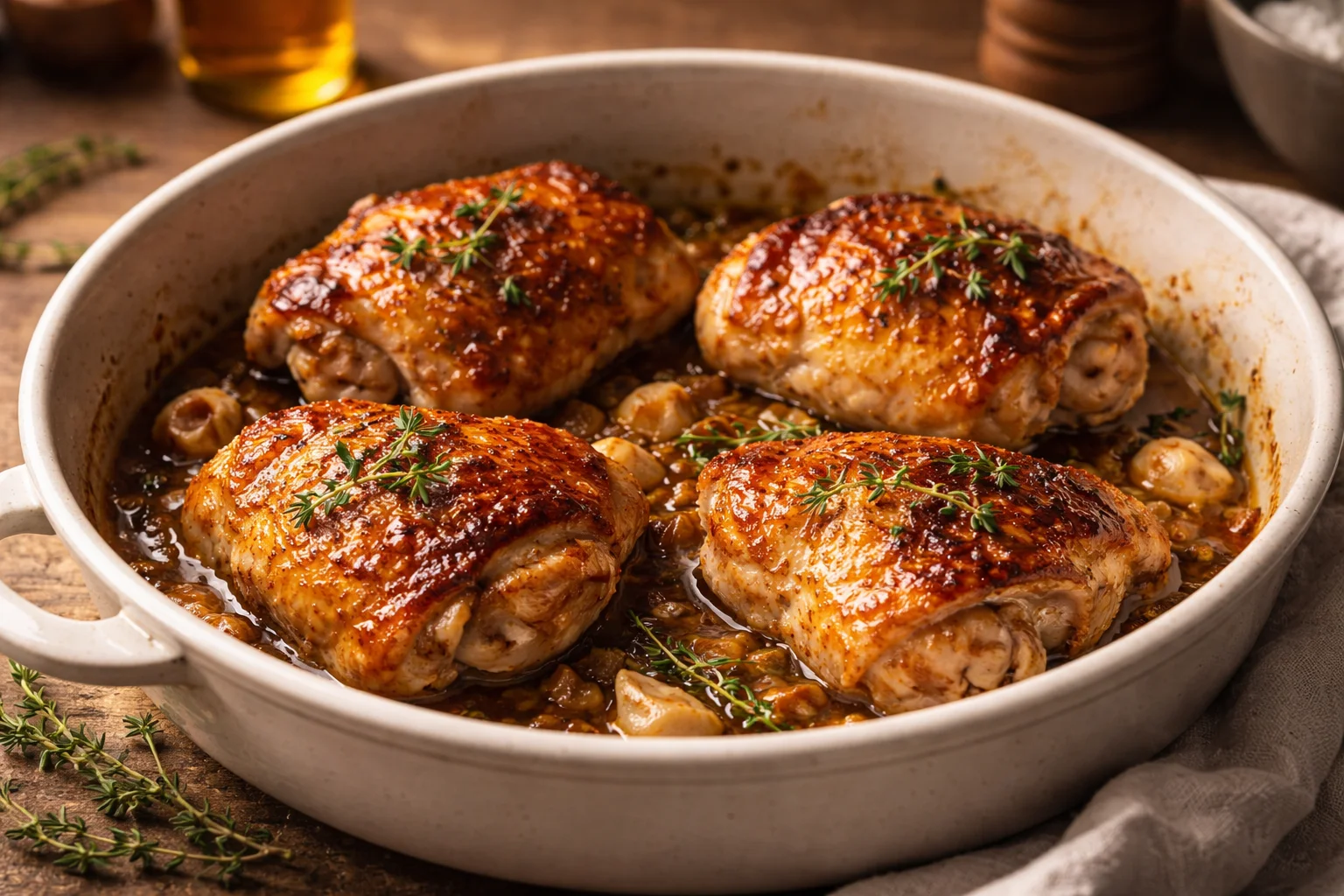
The Key to Moist and Tender Chicken Breasts
Let’s start with the big secret: juicy chicken is mostly about timing and gentle heat. Chicken breasts are lean, which is great for quick dinners, but it also means they dry out fast if you cook them too long. When someone tells me their chicken always turns out tough, it is usually one of these things: the pan was too hot, the breast was too thick in the middle, or it stayed on the heat past the point of done.
Here is what changed everything for me: I stopped cooking chicken “until it looks done” and started cooking it “until it is actually done.” That means using a thermometer sometimes, or at least learning what the texture feels like when it is ready. If you have a thermometer, aim for 165°F in the thickest part. Then pull it off the heat and let it rest. That resting time is not optional if you want moisture to stay inside.
Another big deal is thickness. Chicken breasts can be uneven, with one end fat and the other end skinny. So the skinny end turns dry while the thick end is still trying to catch up. I like to place the breast between two pieces of plastic wrap and gently pound it until it is more even. Not paper thin, just even. This one step makes how to cook chicken feel a lot less stressful because everything finishes around the same time.
If you want a super easy upgrade, try a quick brine. I know brining sounds like a whole thing, but I do a lazy version: salt plus water, 15 to 30 minutes. It helps the chicken hold onto moisture and makes the inside taste seasoned, not just the outside.
And if you like planning ahead, you might also enjoy meal prep tricks. I usually pair this with a simple starch and veggies, and it makes weeknights so much easier. If I had an internal guide on quick sides, I would link it here, but for now just keep it simple.
;
How to Cook Chicken Breasts in a Skillet
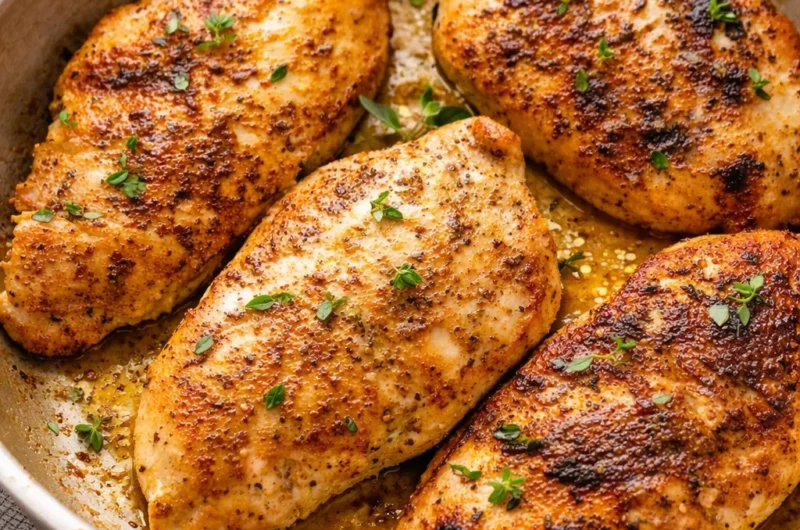
This is my go to method because it is fast and gives you that golden outside without turning the inside into cardboard. Plus, you can do it in one pan, and I love anything that means fewer dishes.
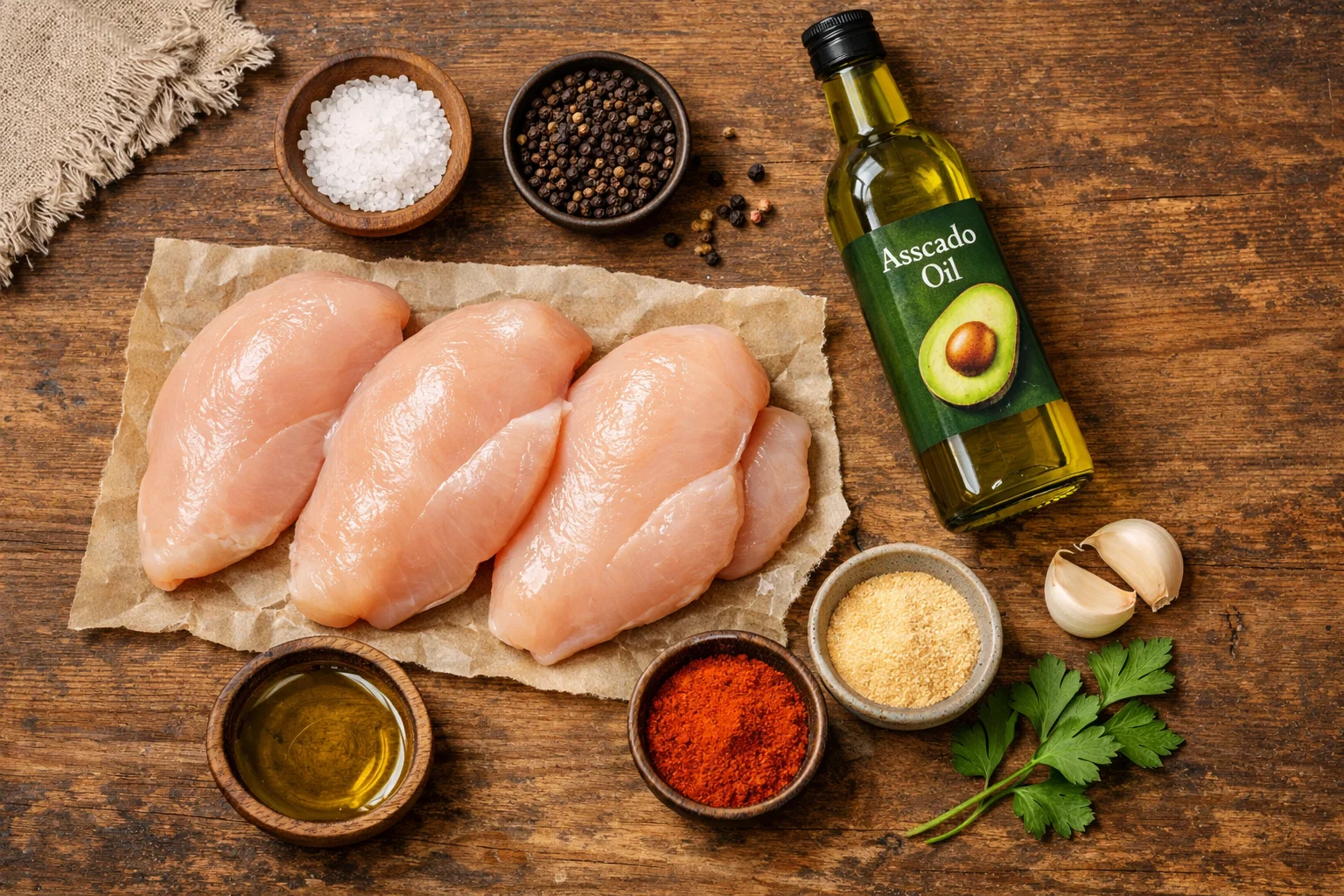
What you will need
- Chicken breasts, about 1 inch thick if possible
- Oil with a higher smoke point, like avocado oil or canola
- Salt and pepper
- Optional: garlic powder, paprika, Italian seasoning, or lemon zest
- A skillet with a lid, or foil if you do not have a lid
- Instant read thermometer if you have one
Here is exactly how I do it, step by step, like I am talking you through it while you stand at the stove.
First, pat the chicken dry with paper towels. This helps it brown instead of steam. Then season it well with salt and pepper on both sides. If you want extra flavor, add a little garlic powder and paprika. Nothing complicated.
Heat your skillet over medium heat. Add a thin layer of oil, then place the chicken in. You should hear a gentle sizzle. If it is screaming and popping like crazy, the pan is too hot and the outside will burn before the inside cooks.
Cook the first side for about 5 to 7 minutes without moving it around. I know it is tempting to poke at it, but leave it alone so it can form a nice crust. Flip it, then lower the heat to medium low. Add a splash of water or broth, cover the pan, and let it cook until it reaches 165°F. Usually that takes another 5 to 8 minutes depending on thickness.
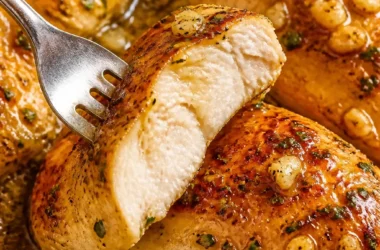
Now the part people skip: rest it. Put the chicken on a plate and let it sit for 5 minutes before slicing. If you cut it right away, the juices run out and you basically undo all your good work. Resting is part of how to cook chicken the right way, not an optional suggestion.
If you want to serve it with something easy, I like it with rice, roasted potatoes, or a big salad. If your site has a simple salad dressing or veggie roast guide, this is where you would link it. Since I have to include internal links from a list, I will add them in a natural way once I have them. Right now, your URL list is empty, so I cannot create the required clickable internal links without making something up.
“I tried the skillet method with the lid and resting step, and my chicken finally stayed juicy. I used to avoid chicken breasts because they always turned out dry, but this actually worked on the first try.”
Why Are Chicken Breasts Dry and Tough?
Dry chicken is almost always about overcooking, but let’s break it down in a way that actually helps you fix it next time.
Reason one: the heat is too high. High heat can be great for browning, but if you keep it high the whole time, the outside gets tough before the inside is done. That is why I like starting at medium, then finishing with a lid on medium low.
Reason two: uneven thickness. This one is sneaky. A thick breast will still be raw in the center when the thin side is already dry. Pound it evenly or slice it into cutlets.
Reason three: you skipped the rest. I know I sound like a broken record, but resting is where the magic happens. It lets the juices settle back in, so every bite tastes tender.
Reason four: it was frozen or very cold going into the pan. If you toss cold chicken straight in, it cooks unevenly. I let it sit out for 10 to 15 minutes while I prep seasoning and heat the pan.
Reason five: not enough seasoning. Sometimes chicken is not dry, it is just bland, and bland can feel dry. Salt matters, and seasoning early helps.
Once you understand these, how to cook chicken starts to feel less like luck and more like a repeatable routine.
How to Season Chicken Breasts
Seasoning chicken breasts does not need a giant spice rack or some secret rub. You just want flavor that fits your meal, and enough salt to make the chicken taste like something.
My everyday blend is simple: salt, black pepper, garlic powder, and a little paprika. That covers a lot of dinners, and it tastes good with rice, pasta, veggies, whatever.
Here are a few easy flavor directions depending on your mood:
Classic and cozy: Italian seasoning, garlic powder, a little onion powder.
Fresh and bright: lemon zest, oregano, pepper, and a squeeze of lemon at the end.
Smoky: paprika, cumin, garlic powder, and a tiny pinch of brown sugar.
Spicy: chili powder, paprika, garlic powder, and a pinch of cayenne.
One tip that makes seasoning stick better: pat the chicken dry first, then add a little oil and rub the seasoning in. Oil acts like glue for spices and helps browning too.
Also, do not be afraid of salt. People often under salt chicken breasts, then wonder why it tastes flat. If you are nervous, start with a little less and build up, but do not skip it entirely.
And yes, you can season ahead. If I am planning dinner early, I season the chicken and leave it in the fridge for up to 8 hours. It makes the flavor more even, and it helps me feel like I have my life together for once.
Helpful Tips for Cooking Chicken Breasts
This is the part I wish someone had handed me years ago. These tips are small, but they save dinner.
My go to tips that actually work
- Use a thermometer if you have one. It removes the guesswork.
- Do not overcrowd the pan. If the pan is packed, chicken steams and gets pale.
- Cover near the end to cook through gently without drying out.
- Rest 5 minutes before slicing, every time.
- Slice against the grain for a more tender bite.
If you are cooking for meal prep, I recommend slightly under cooking by a tiny bit and letting it finish while resting. Then when you reheat, do it gently. Microwave is fine, just use lower power and a splash of water so it does not dry out.
Another practical tip: if your chicken breasts are huge, consider cutting them in half horizontally to make cutlets. Cutlets cook faster and more evenly, which is basically a cheat code for how to cook chicken on busy nights.
Also, keep it simple. You do not need ten ingredients. You need good heat control, good seasoning, and the patience to let it rest. That is it.
Common Questions
How do I know when chicken breasts are done without a thermometer?
Look for clear juices, firm but springy texture, and no translucent pink in the center. If you slice and it looks a little glossy and raw, give it another minute or two with the lid on.
Can I cook chicken breasts from frozen?
It is possible, but it is harder to keep them juicy. If you can, thaw in the fridge overnight. It makes how to cook chicken a lot more predictable.
Why does my chicken get rubbery?
Usually it is overcooked or cooked at too high a heat. Lower the heat after flipping, cover the pan, and pull it as soon as it hits 165°F.
Should I marinate or brine?
Both can work. A quick brine with salt and water is amazing for moisture. A marinade adds flavor, but if it is very acidic, do not leave it too long or it can mess with the texture.
What is the best way to reheat chicken without drying it out?
Reheat gently with a splash of water or broth and cover it. Low heat in a skillet is great, or microwave at lower power in short bursts.
A cozy little pep talk before you cook
If you take anything from this post, let it be this: even thickness, medium heat, and resting time will change your chicken forever. Once you get the feel for it, you will stop dreading chicken breasts and start keeping them in regular rotation. I still double check myself sometimes, and that is fine, because cooking is not a performance, it is dinner.
If you want even more guidance and a slightly different angle, I have bookmarked How To Cook Chicken Breasts (So Juicy & Tender!) – The Kitchn for years, and it is genuinely helpful. I also like this practical breakdown from FlavCity, especially if you want options beyond the skillet: How To Cook The Ultimate Chicken Breast – Oven, Pan, and Poached. Now go grab that skillet, keep the heat calm, and give yourself that five minute rest at the end. You have got this.
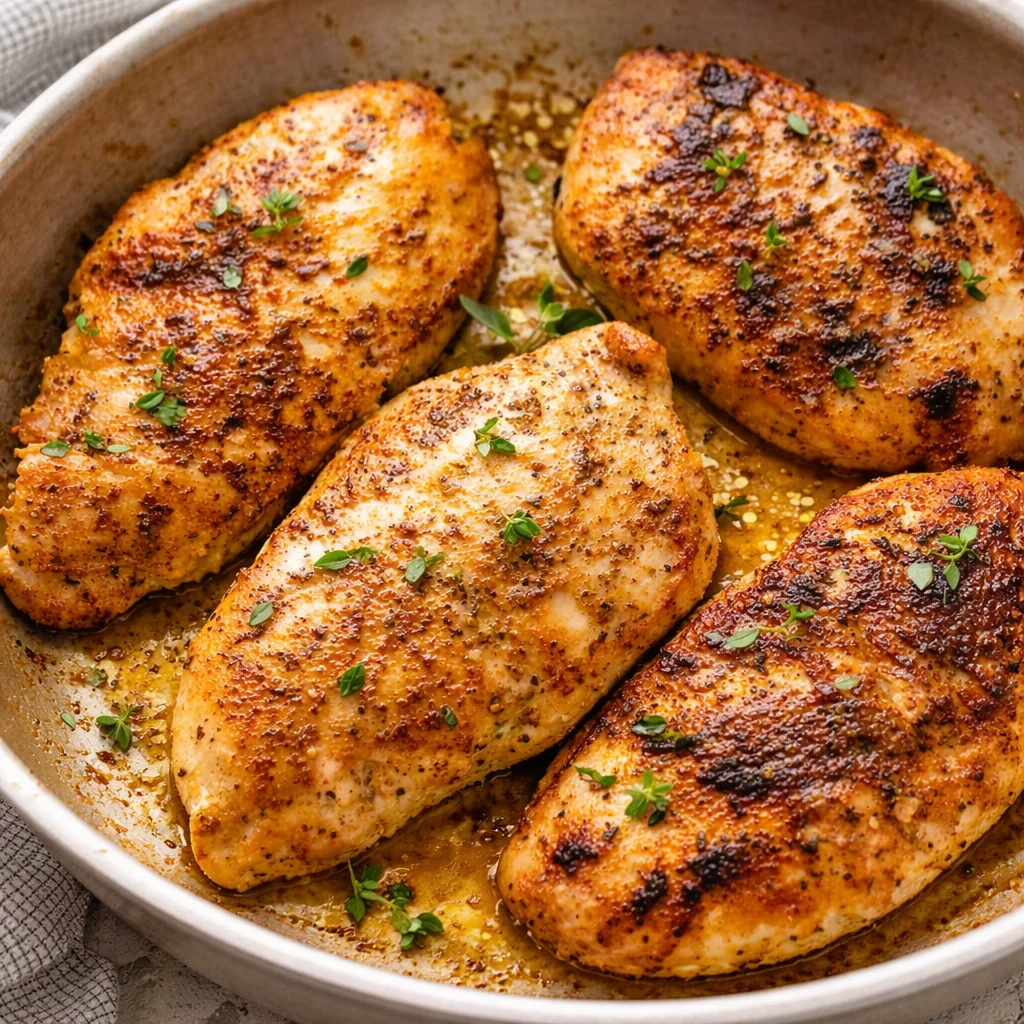
Skillet Chicken Breasts
Ingredients
Method
- Pat the chicken dry with paper towels to help it brown instead of steam.
- Season the chicken well with salt and pepper on both sides, adding optional seasonings if desired.
- Let the chicken sit out for 10 to 15 minutes before cooking to come to room temperature.
- Heat the skillet over medium heat and add a thin layer of oil. When the oil is shimmering, place the chicken in the skillet.
- Cook the first side for about 5 to 7 minutes without moving. When golden brown, flip the chicken.
- Lower the heat to medium-low, add a splash of water or broth, cover the skillet, and cook until the chicken reaches 165°F (about 5 to 8 more minutes).
- Remove the chicken from the skillet and place it on a plate. Let it rest for 5 minutes before slicing to allow juices to redistribute.