



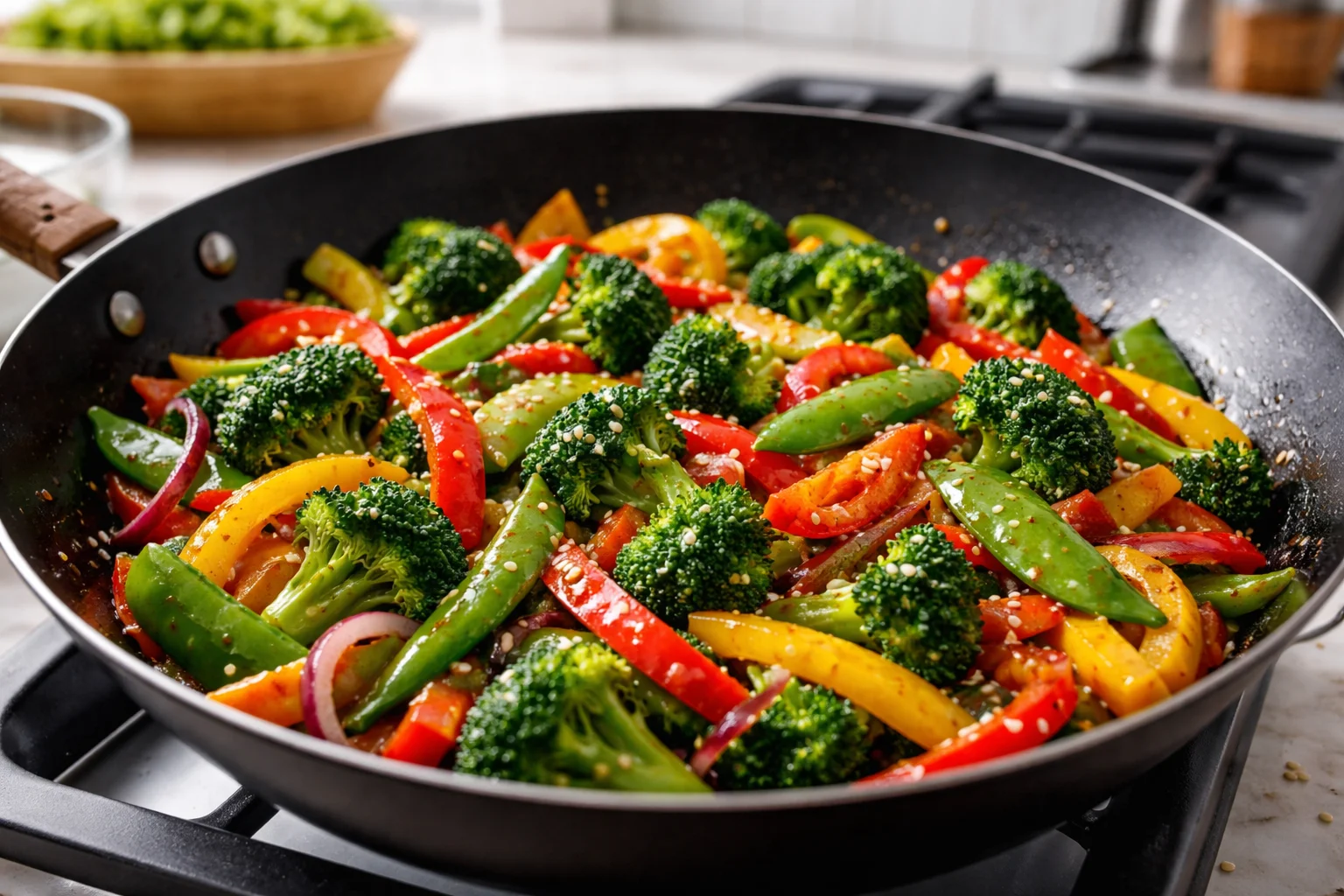
how to make a good stir fry is one of those things that sounds easy until you end up with soggy veggies and a sad puddle of sauce at the bottom of the pan. I have been there, hungry, impatient, and wondering why takeout always tastes better. The good news is stir fry is super forgiving once you know a few simple rules. I make it on busy nights when I want something fast but still colorful and fresh. Let me walk you through the exact little habits that help me get a tasty stir fry every single time.
Vegetable Stir Fry Ingredients
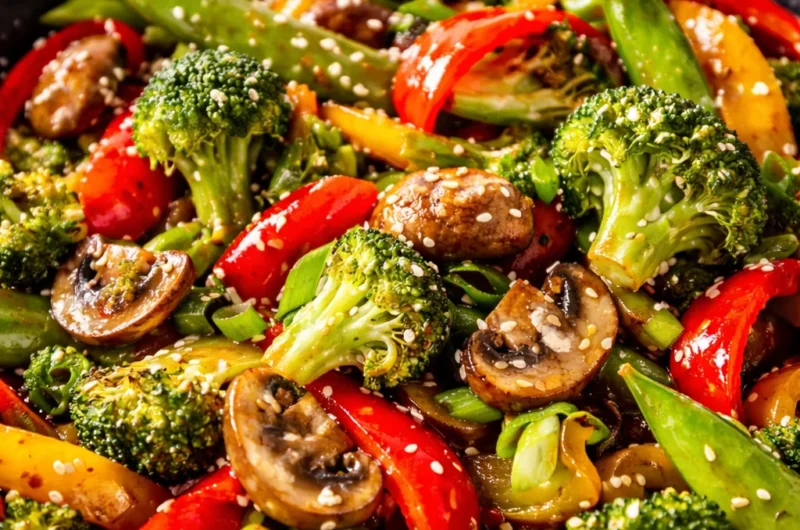
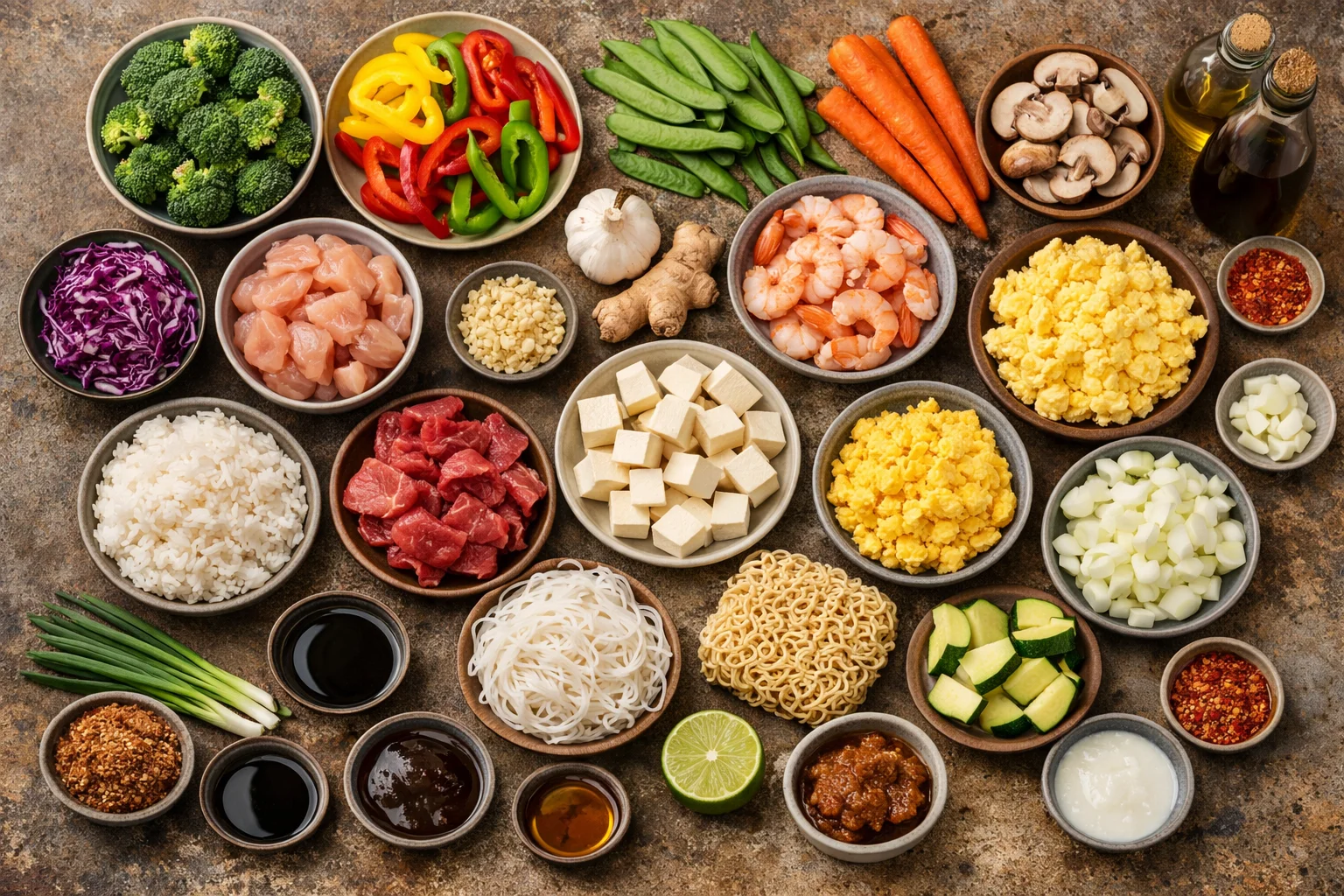
When I say “stir fry,” I basically mean clean out the fridge in a way that feels like a real meal. The trick is choosing ingredients that cook at about the same speed, or at least being willing to add them in stages. If you want a reliable starting point, here is what I usually grab.
- Vegetables: broccoli florets, bell peppers, snap peas, carrots, mushrooms, zucchini, baby corn, cabbage, onions
- Aromatics: garlic, fresh ginger, green onions
- Protein (optional): chicken, shrimp, tofu, thin sliced beef, or even a couple scrambled eggs
- Noodles or rice: cooked rice, rice noodles, or ramen noodles (whatever is easiest)
- Cooking oil: something with a higher smoke point like avocado oil, peanut oil, or canola
One small personal rule that saves me constantly is this: I always prep everything before I heat the pan. Stir fry moves fast, so once the pan is hot, you do not want to be hunting for soy sauce with one hand while your garlic burns with the other.
Also, do yourself a favor and dry your vegetables. If I rinse mushrooms or broccoli, I pat them dry. Wet veggies = steaming, and steaming is the enemy of that crisp, slightly charred stir fry vibe.
If you want more ideas for quick veggie combos, you can check out my veggie prep guide which is basically how I stop produce from going limp in my fridge.
My Easy Stir Fry Sauce
Let us talk sauce, because this is where most “meh” stir fry goes wrong. A good sauce should be bold, a little salty, a little sweet, and it should lightly cling to the food instead of turning into soup. I like to mix mine in a mug while the pan heats up.
Here is my go to simple sauce. It is flexible, so do not stress if you are missing something.
Basic stir fry sauce:
- 3 tbsp soy sauce (or tamari)
- 1 tbsp oyster sauce (optional but so good)
- 1 tbsp honey or brown sugar
- 1 to 2 tsp rice vinegar or lime juice
- 1 tsp sesame oil (a little goes a long way)
- 1 tsp cornstarch mixed with 2 tbsp water (this helps it cling)
- Pinch of chili flakes or a squirt of sriracha if you like heat
I used to skip cornstarch because I thought it was “extra.” Big mistake. That tiny step makes the sauce grab onto the veggies and protein instead of sliding off and pooling. It is one of those quiet secrets of how to make a good stir fry without feeling like you need restaurant skills.
And taste it before it goes in. If it is too salty, add a touch more sweet. If it tastes flat, add acid like rice vinegar or lime. If it feels boring, add more ginger or chili. You are in charge here.
“I tried your sauce ratio and my stir fry finally tasted like the good kind from a restaurant, not the watery kind I kept making at home. Even my picky kid ate the peppers.”
Want another fast sauce idea for weeknights? I keep a couple variations in this quick sauce cheat sheet so I do not get stuck eating the same flavor every time.
How to Make Stir Fry
Okay, this is the part people rush, and I get it. You are hungry. But if you follow this order, you will get better texture and way more flavor, and you will keep proving to yourself that how to make a good stir fry is not a mystery.
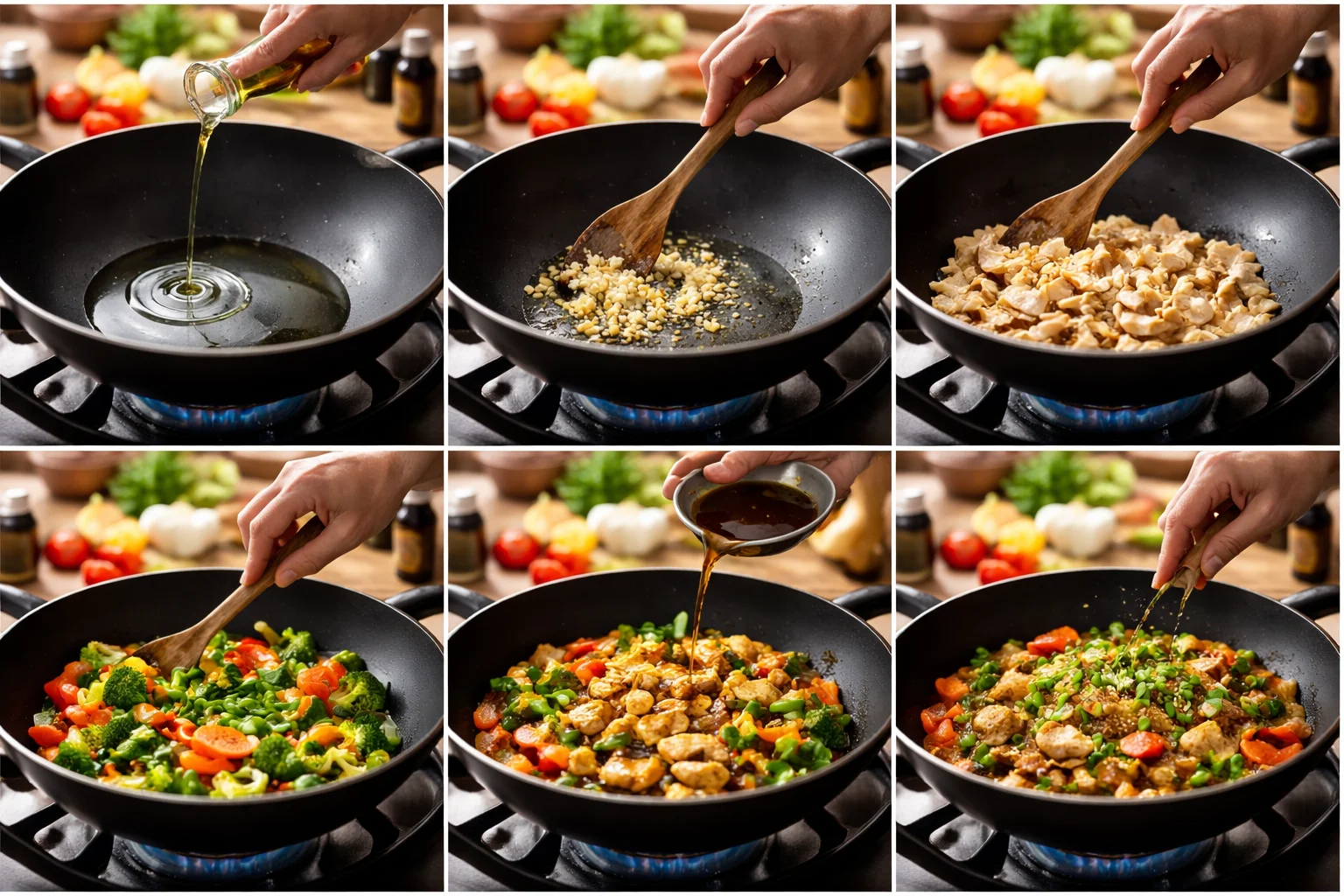
My simple stir fry flow:
- Heat the pan first. Give it a minute or two so it is properly hot.
- Add oil, then aromatics fast. Garlic and ginger go in for about 10 to 20 seconds. Do not let them sit and burn.
- Cook protein next. If using chicken or beef, slice it thin so it cooks fast. Remove it to a plate once it is mostly done.
- Add veggies in stages. Hard veggies first (carrots, broccoli), softer ones later (peppers, mushrooms, zucchini).
- Add sauce at the end. Pour it around the sides of the hot pan, then toss everything together. It thickens quickly.
- Finish and taste. Add sesame seeds, green onions, or a squeeze of lime. Adjust salt, sweet, or heat.
Two really practical notes:
First, do not crowd the pan. If your pan is stuffed, the veggies sweat and soften instead of browning. I would rather do two small batches than one giant steamy pile.
Second, keep things moving. Stir fry is basically active cooking. If you walk away, something is going to overcook. I learned that the hard way with a pan of garlic that went from golden to bitter in about five seconds.
If you are still building confidence with heat and timing, you might like my beginner guide to using a wok or skillet, especially for getting that quick sizzle without smoke panic.
What Kind of Vegetables Do You Put In Stir Fry?
Honestly, almost anything works, but some vegetables shine more than others. I pick based on texture. I want a mix of crunchy, tender, and juicy. That mix is a big part of how to make a good stir fry that feels exciting instead of mushy.
My favorites for crunch: broccoli, snap peas, water chestnuts, carrots, baby corn
My favorites for tenderness: mushrooms, zucchini, bell peppers, onions, cabbage
Leafy add ins (last minute): spinach, bok choy, kale, bean sprouts
If you are using frozen vegetables, you can still get a good result. Just do not dump them in with a bunch of ice crystals. Thaw and drain first, or cook them in a separate quick batch to drive off water. Frozen veggie stir fry is convenient, but it needs a little extra help to avoid that steamed texture.
Also, cut sizes matter more than people think. Thin slices cook evenly and quickly. Chunky pieces can leave you with half raw carrots and overcooked peppers, which is just annoying.
Recipe Tips
This is the part I wish someone had told me years ago, before I made a lot of disappointing stir fry dinners. These tips are not fancy, but they really work.
Tip 1: Prep like you are on a cooking show.
Everything chopped, sauce mixed, rice cooked, and a clean plate ready for cooked protein. Stir fry is fast cooking, so prep is the real work.
Tip 2: Use high heat, but do not be reckless.
You want a hot pan so the food sizzles. If it is smoking like crazy, lower it a little. A steady sizzle is perfect.
Tip 3: Salt at the right time.
The sauce brings salt. If you salt veggies early, they can release water. I usually rely on sauce first, then adjust at the end.
Tip 4: Do not drown it in sauce.
This is a big one. You want a light coating, not a soup. If you love extra sauce, keep it on the side and add a little at a time.
Tip 5: Make it yours.
Peanut butter in the sauce makes it creamy. Orange zest makes it bright. A spoon of chili crisp makes it punchy. Stir fry is meant to be flexible.
And yes, I am going to say it again because it matters: if you are trying to nail how to make a good stir fry, focus on heat, dry ingredients, and not overcrowding the pan. Those three things fix most problems instantly.
Common Questions
Why is my stir fry watery?
Usually it is from wet vegetables, frozen veggies not drained, or an overcrowded pan. Cook in smaller batches and make sure the pan is hot.
Do I need a wok?
Nope. A big skillet works great. Use the widest pan you have so food is not piled too high.
When do I add the sauce?
At the end, when veggies are almost done. Sauce thickens fast, and adding it early can make everything soft.
How do I keep vegetables crisp?
High heat, quick cooking, and adding them in stages. Hard veggies first, soft veggies later, leafy greens last.
What protein works best for beginners?
Thin sliced chicken breast or tofu. Both cook quickly and take on flavor well. Just do not move the chicken constantly. Let it sear a bit.
A quick wrap up before you start cooking
If you take anything from this post, let it be this: how to make a good stir fry comes down to simple prep, a hot pan, and a sauce that actually has balance. Once you get that rhythm, you can mix and match veggies, proteins, and noodles without overthinking it. If you want more ideas, this Easy Veggie Stir Fry Recipe – Love and Lemons is a nice veggie forward option, and these Make Amazing Stir Fries Every Time (With These 6 Tips ) tips are super practical for technique. And if you are craving something hearty, this Easy Chicken Stir Fry Recipe – Mom On Timeout is a solid weeknight go to. Now grab a pan and try it tonight, you will surprise yourself.
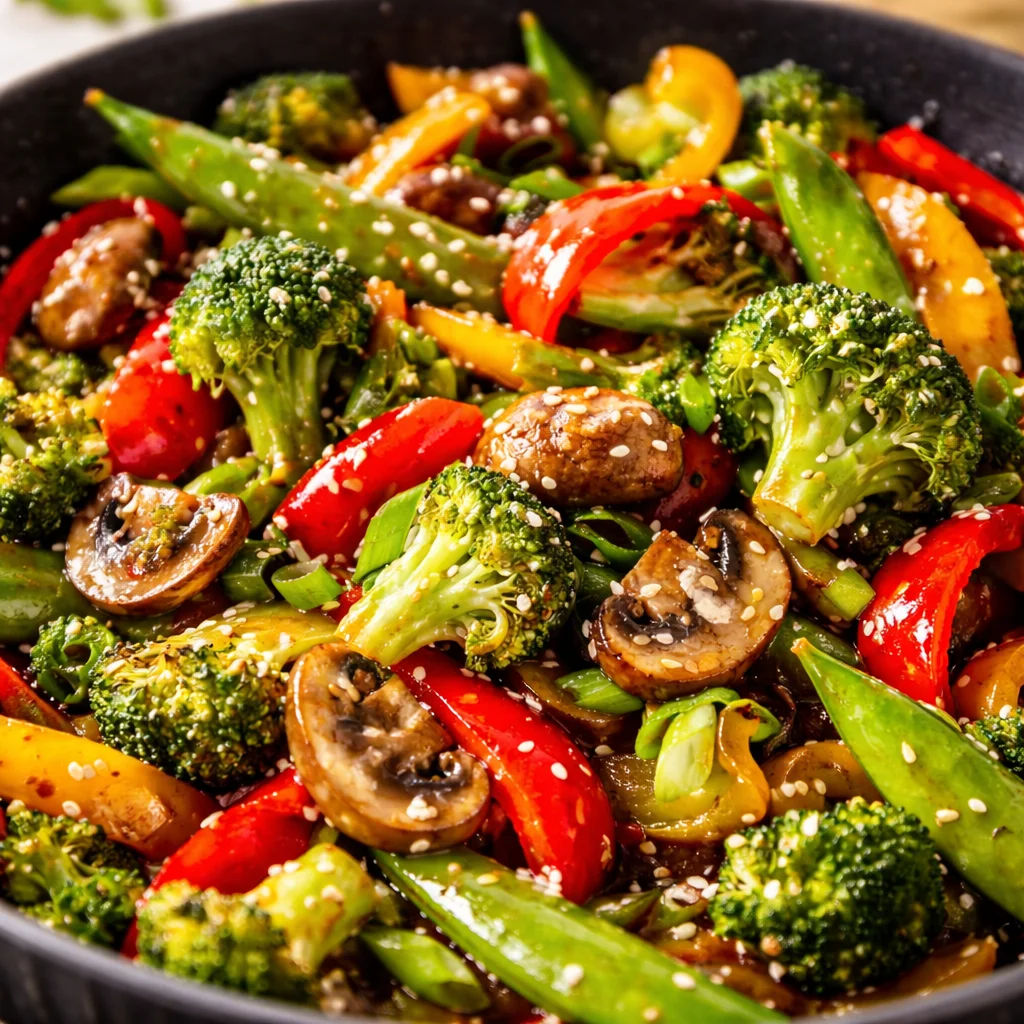
Vegetable Stir Fry
Ingredients
Method
- Prep all ingredients beforehand and have them ready to go.
- Mix the stir fry sauce in a mug or small bowl.
- Heat the pan on medium-high heat until hot.
- Add oil, then quickly add minced garlic and grated ginger for 10 to 20 seconds.
- Cook protein (if using) until mostly cooked, then remove and set aside.
- Add hard vegetables like carrots and broccoli first, then add softer veggies like bell peppers and mushrooms.
- Add the stir fry sauce at the end and toss everything together until well coated.
- Finish with optional sesame seeds or green onions and adjust seasoning if needed.