

























Traditional German Pork Knuckle Recipe – Schweinshaxe is one of those dishes I used to only order when I was out, because it felt too “restaurant level” to pull off at home. Then I had a weekend where I really wanted that salty, crackly skin and tender meat, and I realized the real issue was not the recipe, it was confidence. If you have ever stared at a pork knuckle at the store and thought, what do I even do with this, you are in the right place. I’m going to walk you through exactly how I make it, what actually helps the skin crisp up, and how to serve it so the whole plate feels like a cozy German pub meal. You do not need fancy tools, just a little patience and a hot oven. 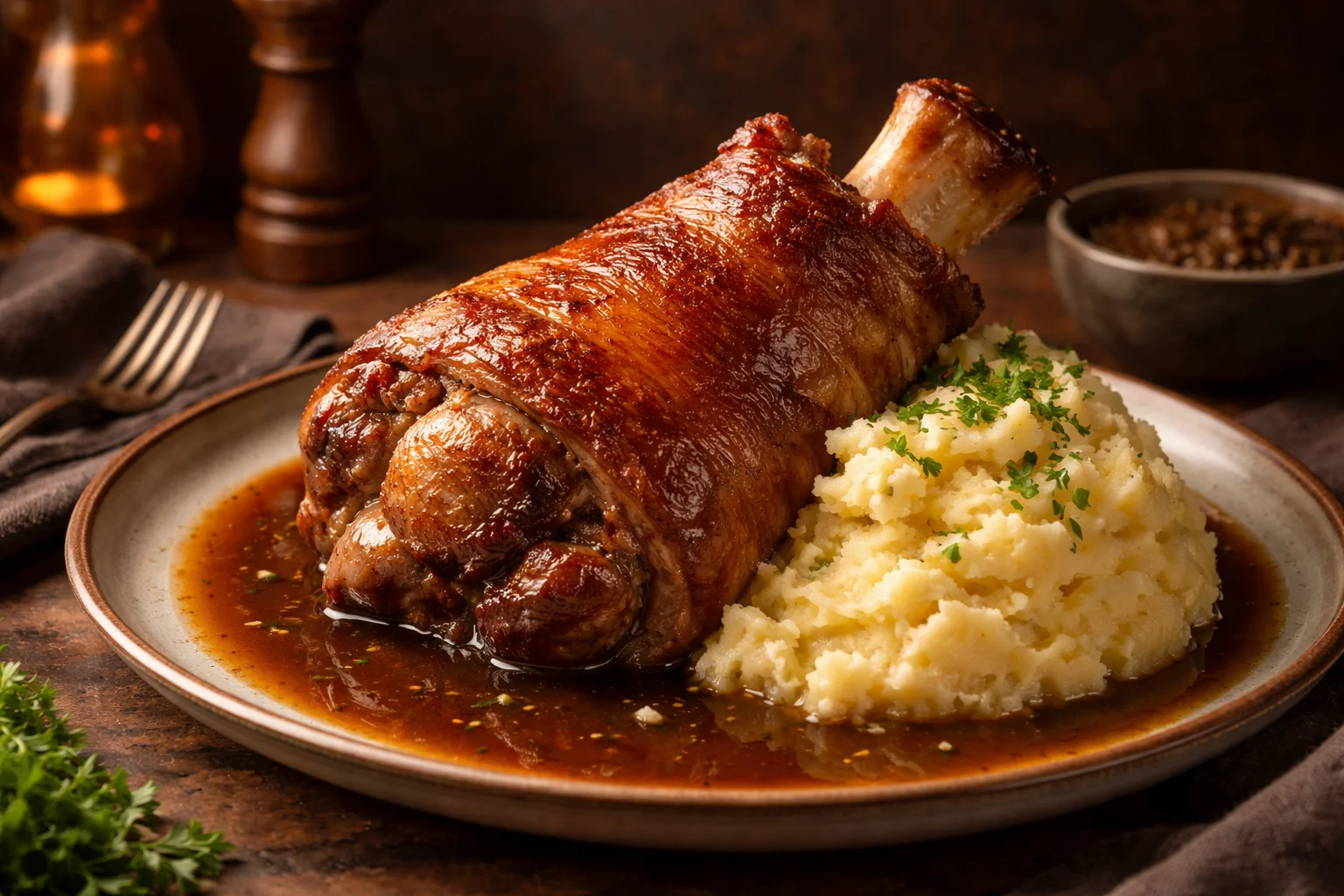
What is Schweinshaxe?
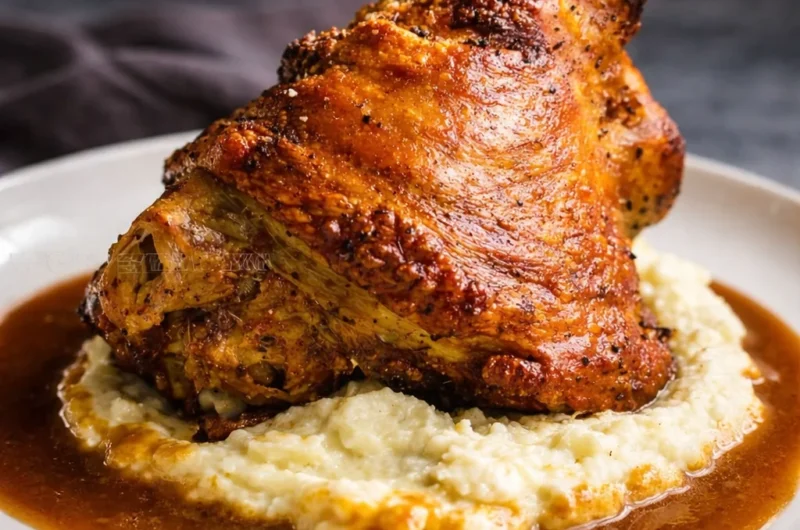
Schweinshaxe is basically a pork knuckle, sometimes called a pork hock, roasted until the outside is deeply crispy and the inside turns juicy and tender. It is a classic German comfort food, and you will often see it served at beer halls and festivals with potatoes, cabbage, and a hearty gravy.
The cut itself is hardworking, which is a nice way of saying it can be tough if you rush it. That is why the best Schweinshaxe recipes take a low and slow approach first, then crank up the heat at the end for that shattering skin.
If you are used to roasting pork shoulder or ribs, this is in the same family of vibes, but the skin is the star here. And yes, it is totally worth doing at home. If you like pairing it with classic sides, I usually plan this meal the same way I do with my German potato salad because you want something tangy next to all that rich pork.
The challenge: How to make crispy skin on Pork Knuckle
Let’s be real, the meat part is forgiving. The skin is where people get frustrated. I have had batches where the meat was perfect but the skin stayed kind of chewy, and that is such a letdown when you are craving crackle.
Here’s what actually makes a difference:
- Dry skin: moisture is the enemy of crispness. Pat it dry, then pat it dry again.
- Salt early: salt pulls moisture out of the skin and helps it blister later.
- Score the skin: shallow cuts help the fat render and the skin puff.
- Enough heat at the end: low and slow makes it tender, high heat makes it crispy.
- Do not drown it: too much liquid splashing on the skin can soften it.
One more tip I learned the hard way: keep the knuckle positioned so the skin side is exposed as much as possible. If it is sitting in liquid, it can steam instead of roast. You want roasting, not a sauna.
“I followed the slow roast then high heat trick and the skin finally crackled like the ones I had in Munich. My family heard it crunch from across the table.”
How to make Crispy German Pork Knuckle
This is the part where you roll up your sleeves, turn on some music, and make your kitchen smell amazing. I’m going to keep it simple and practical, because Crispy German Pork Knuckle sounds intimidating, but the steps are very doable.
Ingredients and what you will need
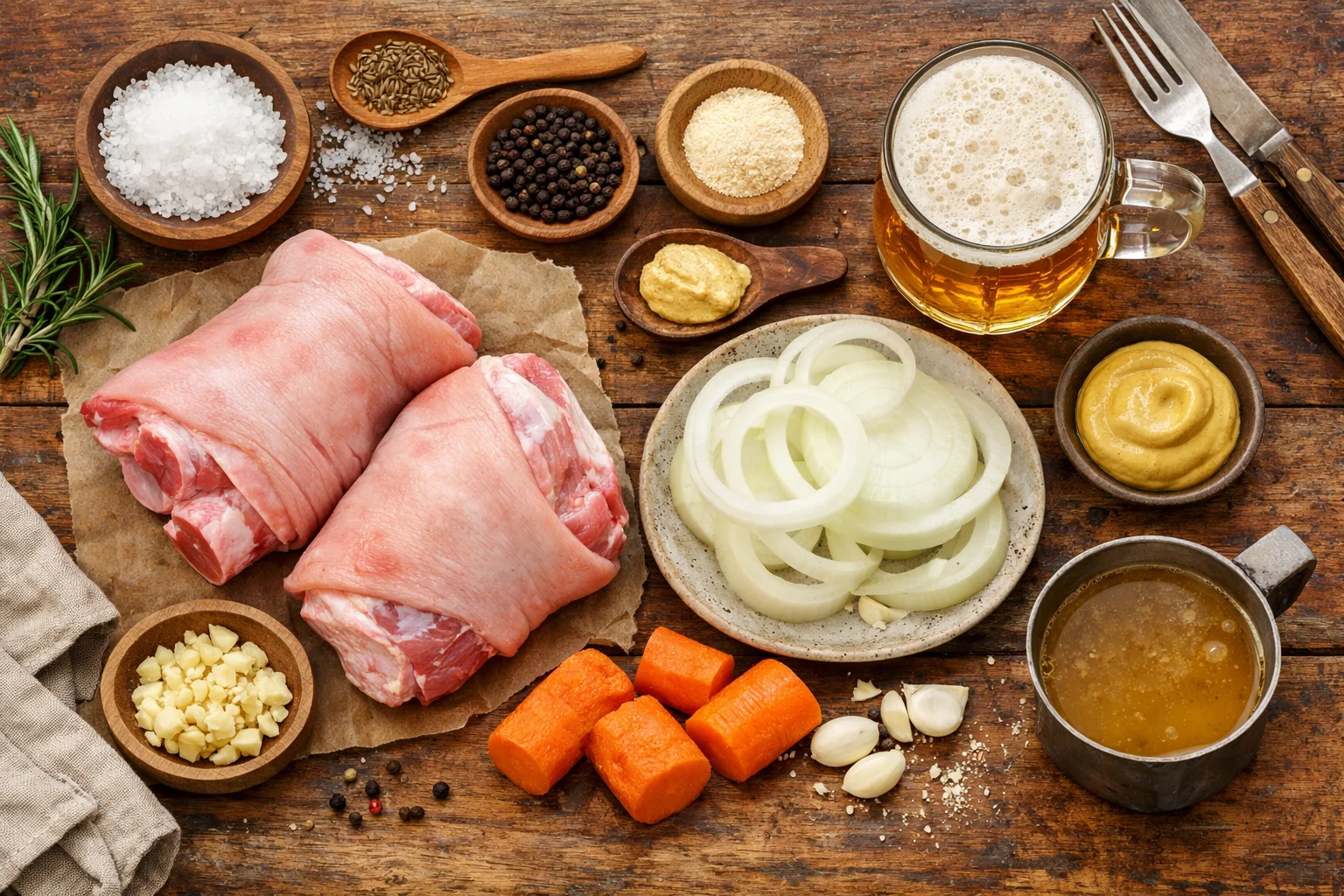
- 2 pork knuckles, about 1 to 1.5 kg total
- Salt, generous amount
- 1 tsp caraway seeds (optional but very German)
- 1 tsp black pepper
- 1 tsp garlic powder or 2 cloves garlic, minced
- 1 onion, sliced thick
- 2 carrots, chunked
- 1 to 2 cups beer or stock (or a mix)
- 1 tbsp mustard (optional for rubbing)
Tool wise, you just need a roasting pan or deep baking dish, a sharp knife to score, and an oven. A meat thermometer helps a lot, but you can still do this without one if you pay attention to tenderness.
Step by step directions
1) Dry and score. Pat the pork knuckles very dry. Score the skin in a crosshatch pattern, but do not cut deep into the meat. Think shallow lines, like you are just opening up the surface.
2) Season like you mean it. Rub all over with salt, pepper, garlic, and caraway. If you like mustard, rub a thin layer on the meat part, not the skin. The skin just needs salt and heat. Let it sit in the fridge uncovered for a few hours if you can, even overnight. This is a huge help for Crispy German Pork Knuckle texture.
3) Set up the pan. Put onion and carrots in the bottom of the pan. Add beer or stock. Place the knuckles on top of the veggies so they are lifted a bit above the liquid.
4) Slow roast. Roast at 160 C or 325 F for about 2 to 2.5 hours. Check once or twice and add a splash more liquid if the pan is drying out, but try not to splash the skin.
5) Crisp it up. Turn the oven up to 230 C or 450 F for 20 to 30 minutes, watching closely. If your oven has a broiler or grill function, you can use it for the last few minutes, but stay nearby because skin goes from perfect to too dark fast.
6) Rest, then attack. Let the knuckles rest 10 to 15 minutes before carving. This keeps the meat juicy and makes slicing less chaotic.
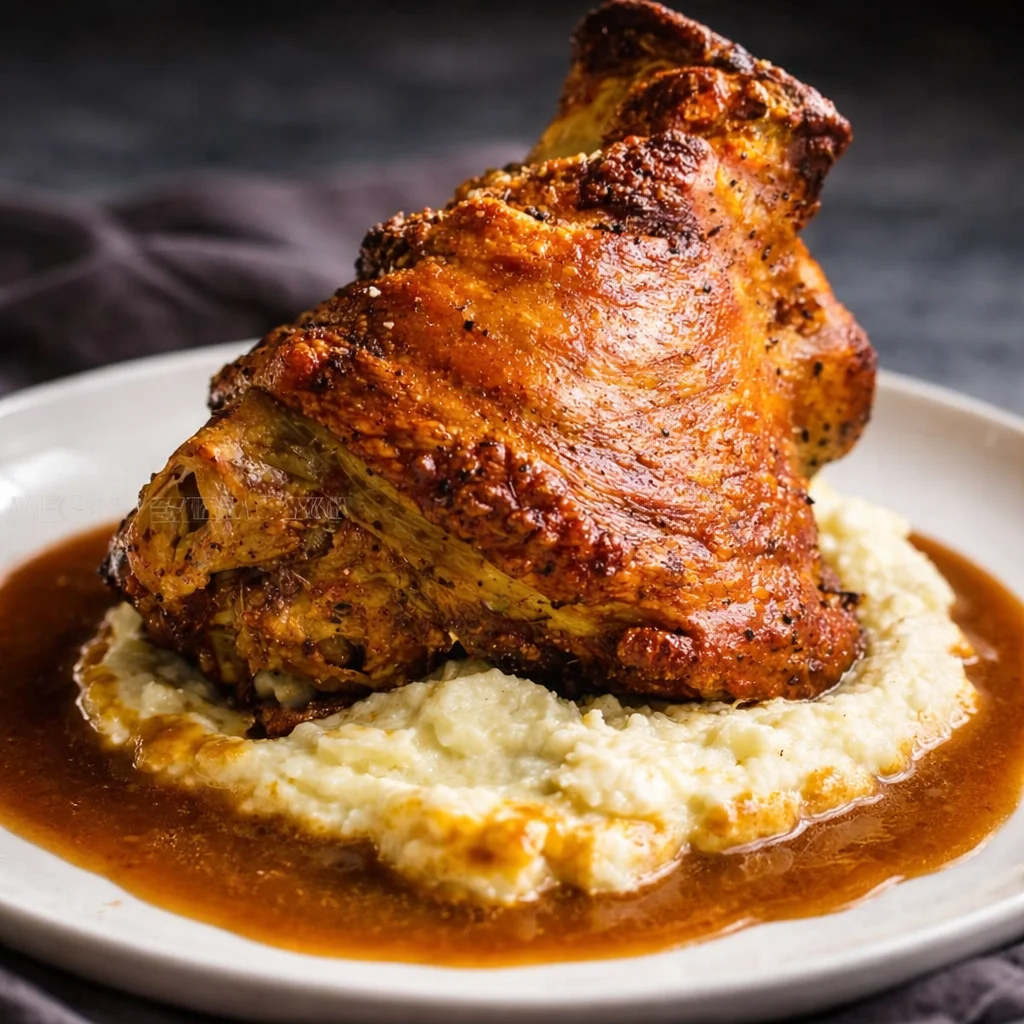
When it is done, the skin should feel hard and crisp when you tap it. The meat should pull away easily. That combo is the whole point, and it is why I keep coming back to this Traditional German Pork Knuckle Recipe – Schweinshaxe whenever I want something special on a weekend.
If you want another cozy meal to rotate into your winter cooking, I also love doing a pot of Bavarian sauerkraut on the side because it cuts through the richness in the best way.
What to serve with Schweinshaxe
I treat Schweinshaxe like the main event and keep the sides classic. You want something starchy, something tangy, and maybe something a little sweet from caramelized onions or gravy. If you have friends coming over, this is also a fun “bring a side” meal because everyone knows what to do with potatoes.
Here are my go to serving ideas:
- Potato dumplings or mashed potatoes
- Roasted or boiled potatoes with parsley
- Warm sauerkraut or braised red cabbage
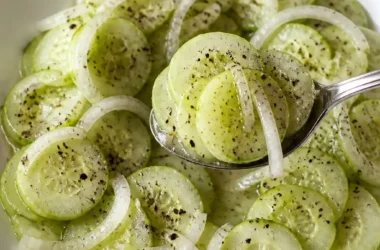
- Simple cucumber salad with vinegar
- Soft pretzels if you want the full beer hall vibe
I also like having something sharp on the table like mustard, pickles, or even a quick vinegar slaw. It helps after a couple bites of rich pork. This is one of those meals where you take a bite, look at your plate, and think, yep, I’m staying in tonight.
If you are building a full German style spread, you might also like a sweet finish like apple strudel. It is not required, but it makes dinner feel like an occasion.
Pork Knuckle Gravy
Let’s talk gravy, because it turns the whole tray of roasted bits into something you will want to pour on everything. I usually make a simple pan gravy right after the knuckles come out to rest.
Here is how I do it without stressing:
1) Strain the pan. Pour the liquid from the roasting pan through a strainer into a bowl. Press the onions and carrots a bit to get the flavor out, but do not force all the mush through unless you want a thicker, rustic gravy.
2) Skim some fat. A little fat is great, but if there is a huge layer, spoon some off. You can also chill it briefly and lift it off, but I usually just skim.
3) Simmer and thicken. Pour the liquid into a small pot and simmer 5 to 10 minutes to concentrate. If you want it thicker, mix 1 tbsp cornstarch with 2 tbsp cold water and stir it in slowly. Let it bubble for a minute to thicken.
4) Taste and finish. Add pepper, a pinch of salt if needed, and a tiny splash of vinegar if it tastes flat. That little hit wakes it up.
This gravy is especially good if you used beer in the pan. It has that deep, slightly bitter edge that tastes like the kind of food you order with a cold drink. It also makes leftovers incredible, because reheated pork with a spoon of gravy is the kind of lunch you look forward to.
Common Questions
Do I need to boil the pork knuckle first?
You do not have to. Some people parboil to speed up tenderness, but I get great results with a slow roast and a hot finish. If your knuckles are very large, parboiling can help.
How do I know when it is tender enough?
A thermometer is helpful, but texture matters most. A knife should slide in with little resistance, and the meat should feel like it wants to pull away from the bone.
Why is my skin not crispy?
Usually it is too wet or not enough final heat. Dry it well, salt it, and make sure you finish at high heat with the skin exposed.
Can I make Schweinshaxe ahead of time?
Yes. Roast it until tender, then cool. Reheat at a lower temp until hot, then blast with high heat at the end to re crisp the skin.
What beer should I use?
A lager is the safest choice. Anything you like drinking works. Avoid very sweet beers, since the drippings can get cloying.
A cozy final note before you start roasting
If you have been craving that pub style crunch, this Traditional German Pork Knuckle Recipe – Schweinshaxe is absolutely doable at home, and the biggest trick is giving it time, then finishing hot for that crackly skin. Keep the skin dry, do not rush the tender stage, and make a simple gravy from the pan because it feels like free flavor. If you want to compare methods, I found it helpful to read Crispy German Pork Knuckle (Schweinshaxe) with Beer Gravy and also this straightforward guide from German Pork Hock (Schweinshaxe Recipe) – Plated Cravings. Now grab a knuckle, clear a little oven space, and go for it, because the first time you hear that skin crackle under your knife, you are going to feel ridiculously proud of yourself. 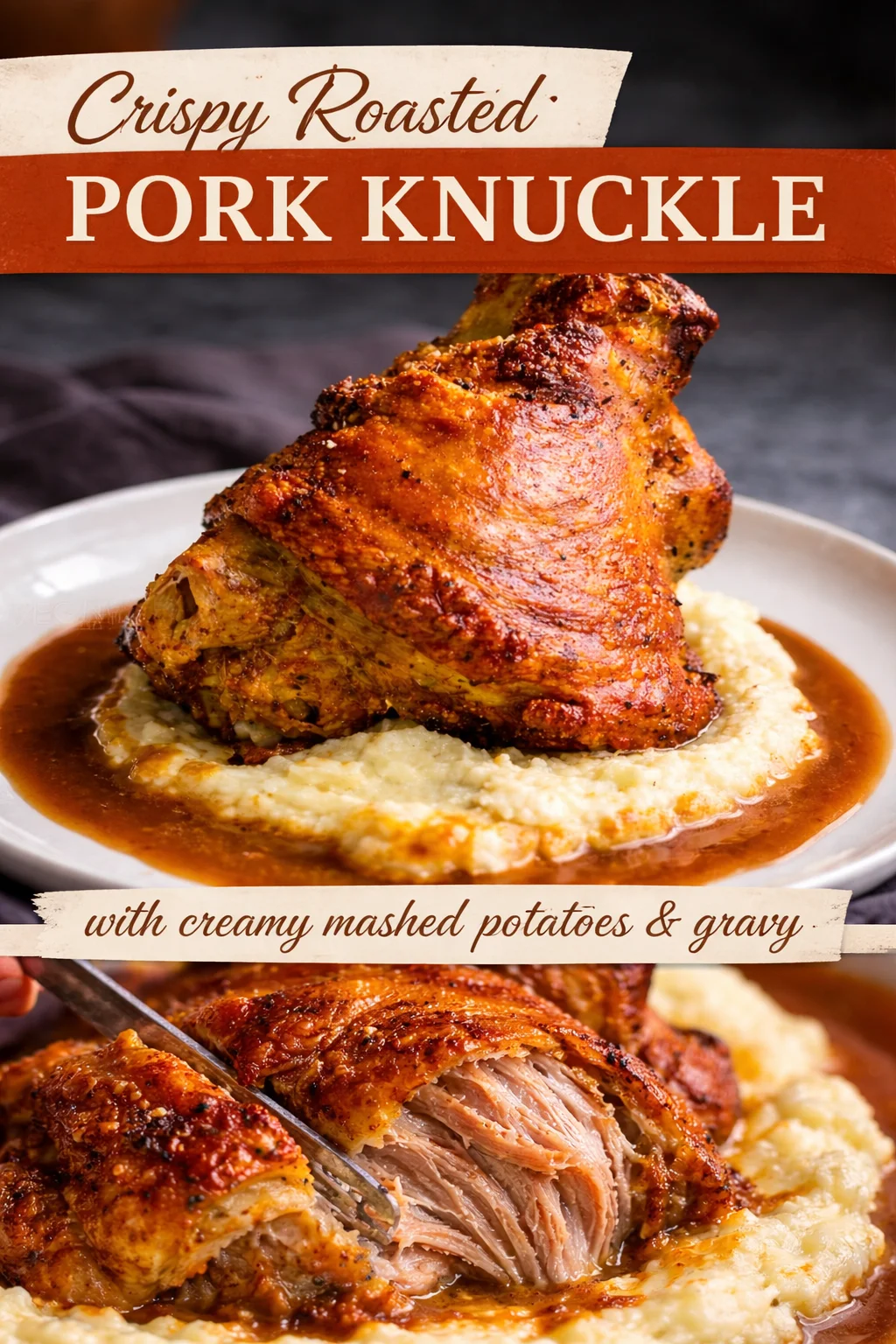
Schweinshaxe
Ingredients
Method
- Pat the pork knuckles very dry. Score the skin in a crosshatch pattern, but do not cut deep into the meat.
- Rub all over with salt, pepper, garlic, and caraway. If using mustard, rub it on the meat part, not the skin. Let it sit in the fridge uncovered for a few hours, ideally overnight.
- Place onion and carrots in the bottom of the pan. Add beer or stock, then place the knuckles on top of the veggies.
- Slow roast at 160 C (325 F) for about 2 to 2.5 hours, checking occasionally and adding a splash of liquid if needed.
- Increase oven temperature to 230 C (450 F) for 20 to 30 minutes, watching closely until the skin is crispy.
- Let the knuckles rest for 10 to 15 minutes before carving.