



















Why You’ll Love This Rye Bread
Authentic German Roggenbrot, or rye bread, is the perfect solution for those chilly days when you crave something warm, hearty, and homemade. With its dense texture and slightly nutty flavor, this bread beautifully complements soups and stews, making it a staple in many German households. Plus, the rich aroma of freshly baked rye bread wafting through your kitchen is sure to bring everyone running. You may also find Cozy Up With This Authentic Fladlesuppe Recipe German Pancake Soup useful.
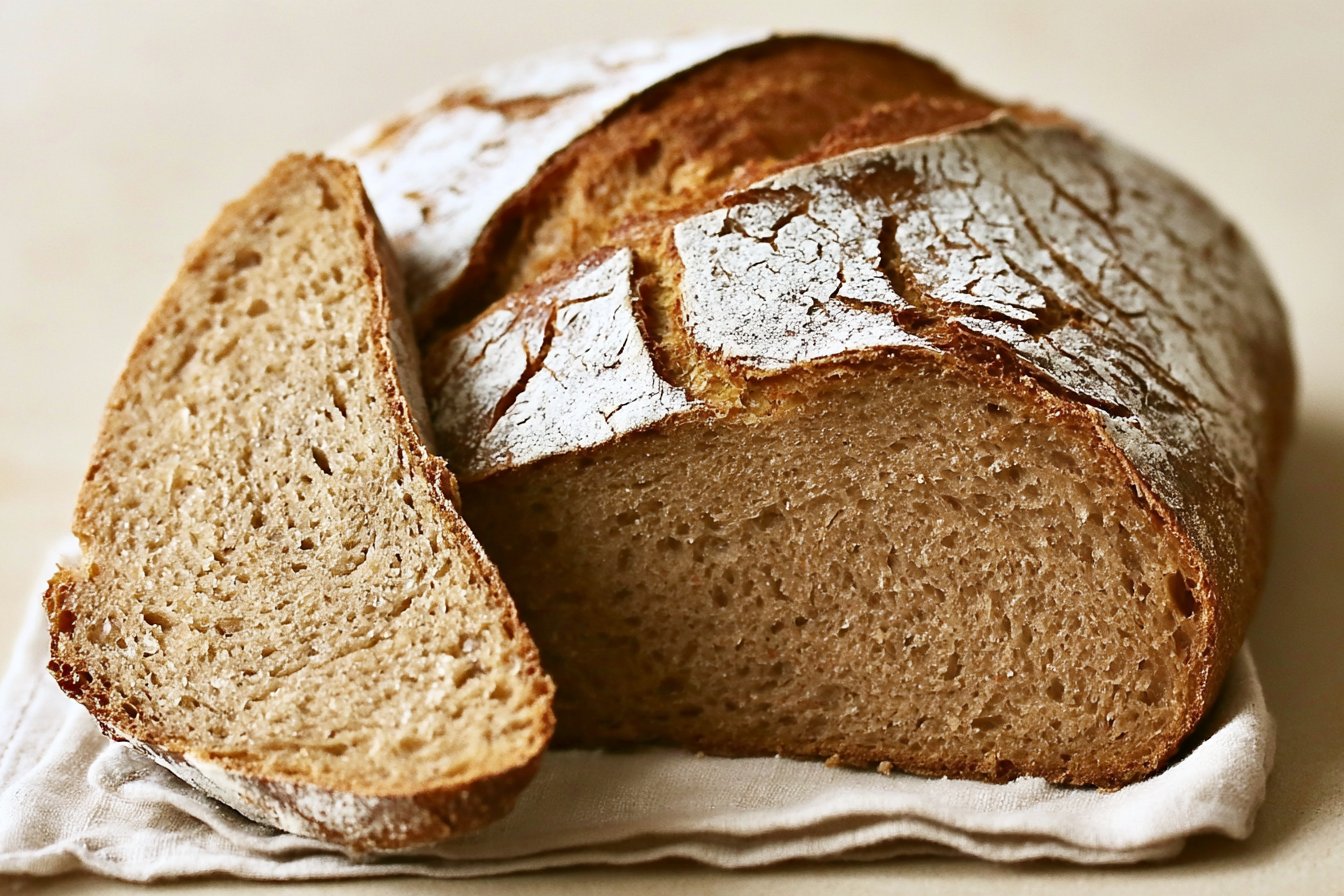
Ingredients
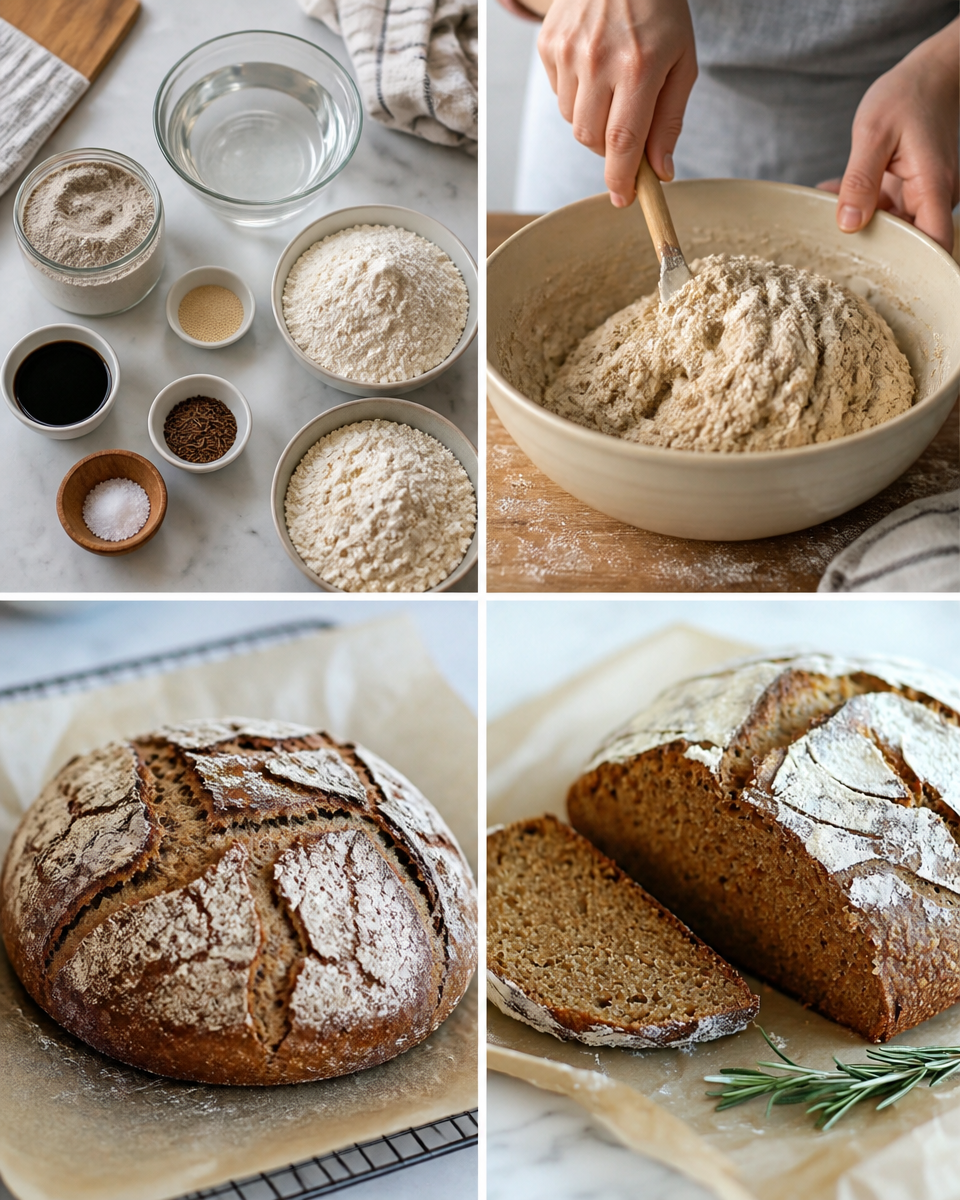
You may also find Deliciously Authentic Kasespatzle A Cozy German Macaroni Recipe useful.
- 2 cups warm water (105°F or 40°C)
- 2 tbsp molasses
- 2 ¼ tsp active dry yeast
- 3 ½ cups rye flour
- 2 cups bread flour
- 1 ½ tsp salt
- 1 tbsp caraway seeds
- Additional flour for dusting
Using quality ingredients significantly enhances the flavor of your rye bread. Opt for high-protein bread flour for a better rise. For dietary needs, you can substitute the rye flour with a gluten-free mix, or use a combination of whole wheat and all-purpose flour if you’re unable to find rye. Molasses can be replaced with honey for a sweeter touch, while still retaining that rich depth of flavor.
Why This Recipe Works
- Offers a satisfying chewiness that pairs well with hearty meals.
- Contains pantry-friendly ingredients that are affordable and accessible.
- Beginner-friendly, making it perfect for novice bakers.
- Great for meal prep, as it keeps well in the fridge.
- Elevates your comfort food experience, making it great for sharing.
This recipe combines the robust flavors of rye flour with the sweetness of molasses, ensuring a taste that feels both rustic and wholesome. Plus, it avoids the traditional sourdough starter, making it simpler for you to whip up.
Step-by-Step Directions
-
Prepare the Yeast: In a medium bowl, mix the warm water, molasses, and active dry yeast. Allow it to sit for about 5 to 10 minutes, until the mixture becomes frothy. This step ensures your yeast is alive and active—if it doesn’t froth, start over with fresh yeast.
-
Combine Dry Ingredients: In a large mixing bowl, whisk together the rye flour, bread flour, salt, and caraway seeds. This blend not only develops flavor but also enhances the texture of your bread.
-
Mix the Dough: Pour the yeast mixture into the flour mixture. Stir until a shaggy, rough dough forms. The dough should contain visible flecks of flour; if it appears overly wet, add small amounts of flour as necessary.
-
Knead the Dough: Transfer the dough to a lightly floured surface and knead it for 8 to 10 minutes. It should become smooth and elastic, with a soft, tacky feel. Be cautious not to over-knead, which can result in a dense bread.
-
First Rise: Place the kneaded dough in a greased bowl, cover it with a damp cloth, and let it rise in a warm spot for 1 ½ hours. It should double in size, which can be checked by lightly pressing it; it should spring back.
-
Shape the Loaves: Once risen, gently punch down the dough to release air. Divide it into two equal portions, shaping each into a round loaf. This technique will help create a beautiful crust.
-
Second Rise: Cover the loaves with a cloth and let them rise again for about 1 hour. You want them to puff up but not double.
-
Preheat the Oven: While your loaves are rising, preheat your oven to 450°F (230°C). The heat helps create a crusty exterior, perfect for rye bread.
-
Baking: Bake the loaves for 35 to 40 minutes until they are golden brown and sound hollow when tapped on the bottom. If they brown too quickly, you can cover them loosely with foil.
Serving Ideas
Serve your freshly baked rye bread with a hearty bowl of German goulash for a filling meal. It also complements rich cheeses beautifully, making it an excellent choice for a cheese board or sandwich base. For a cozy treat, toast slices and top with butter or your favorite jam.
Storage and Reheating
Store your rye bread in a paper bag or sealed parchment to keep it fresh for about 3 days at room temperature. For longer storage, you can freeze it for up to 3 months; just let it thaw at room temperature, and warm it in the oven before serving to restore its crustiness.
Pro Tips
- Flavor Technique: Experiment by adding seeds or nuts to the dough for a unique flavor profile and added texture.
- Texture Trick: If your bread is dense, ensure you knead enough to develop the gluten, enhancing the bread’s rise.
- Common Mistake: Avoid overworking the dough during kneading; a gentle touch is key to maintaining volume while baking.
- Ingredient Upgrade: Using fresh caraway seeds instead of pre-ground can significantly improve flavor.
- Time-Saver: Consider preparing the dough the night before and letting it rise in the fridge for a slow fermentation, enhancing the flavor.
Variations
Spicy Version
Add red pepper flakes or chopped jalapeños for a spicy kick. This variation adds a surprising flavor that pairs wonderfully with creamy soups.
Lighter and Healthier Version
Swap out one cup of rye flour for whole wheat flour. This maintains the hearty profile while providing additional fiber and nutrients.
Vegetarian or Vegan Version
This recipe is naturally vegetarian and can easily be made vegan by ensuring the molasses is derived from organic sources.
FAQ
Q: Can I make this rye bread ahead of time?
A: Yes, you can prepare the dough in advance and store it in the refrigerator for up to 24 hours. Just let it come to room temperature before shaping it for the second rise.
Q: How long does rye bread keep?
A: Properly stored at room temperature, it stays fresh for about 3 days. If you freeze it, it can last up to 3 months.
Q: What can I do if my rye bread becomes too dense?
A: Ensure your yeast is active by checking if it blooms in water. Over-kneading can also cause density, so keep kneading to a moderate level.
Q: What’s the best way to store leftovers?
A: Wrap it in a kitchen towel or parchment paper to maintain its crust, avoiding plastic which can make the bread soggy.
Q: How do I adjust the batch size?
A: You can easily double or halve this recipe by adjusting the ingredients accordingly, just keep the same proportions.
Q: Do I need special equipment to make rye bread?
A: No special equipment is necessary; just a mixing bowl and a baking sheet will suffice.
Conclusion
Making your own authentic rye bread at home brings a sense of satisfaction that can’t be replicated. Its wonderful flavor and texture complement a variety of meals. For further inspiration and easy recipes, explore German rye bread without sourdough and check out Easy German rye bread without sourdough for a different take on this classic staple. Enjoy baking!
Roggenbrot
Ingredients
Method
- In a medium bowl, mix the warm water, molasses, and active dry yeast. Allow it to sit for about 5 to 10 minutes until frothy.
- In a large mixing bowl, whisk together the rye flour, bread flour, salt, and caraway seeds.
- Pour the yeast mixture into the flour mixture. Stir until a shaggy, rough dough forms.
- Transfer the dough to a lightly floured surface and knead for 8 to 10 minutes until smooth and elastic.
- Place the kneaded dough in a greased bowl, cover with a damp cloth, and let rise in a warm spot for 1 1/2 hours, until it doubles in size.
- Punch down the dough gently, divide into two portions, and shape each into a round loaf.
- Let the loaves rise, covered, for about 1 hour.
- Preheat your oven to 450°F (230°C).
- Bake the loaves for 35 to 40 minutes until golden brown and hollow when tapped.