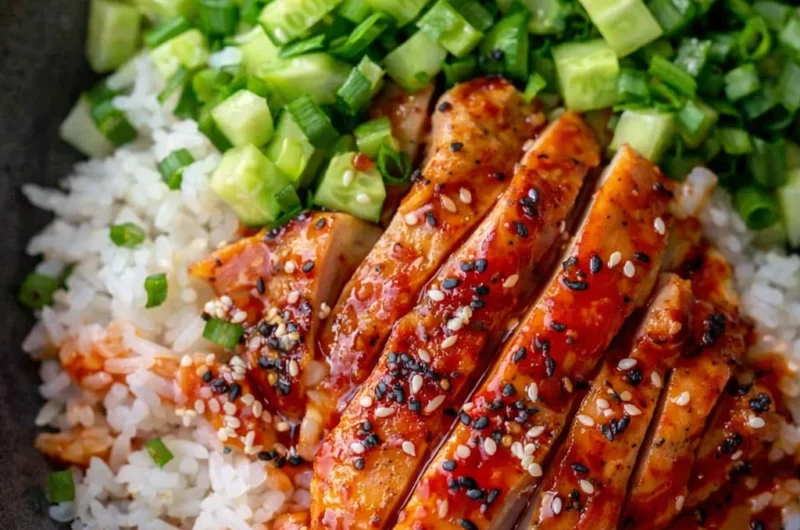


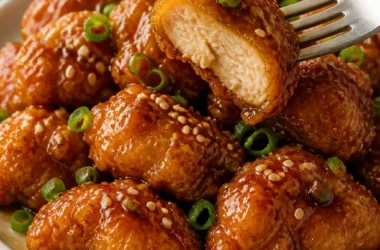




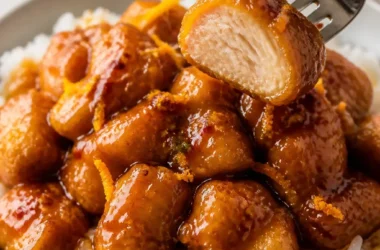


Korean Gochujang Chicken Rice Bowls are my go to fix for those nights when I want something spicy, cozy, and fast, but I do not want to order takeout again. You know the feeling when you open the fridge and everything looks boring, yet you still want dinner to feel like a treat. This bowl is that little weeknight reset button for me. It is sticky, savory, a little sweet, and it makes plain rice feel exciting. If you have ever bought gochujang and then wondered what to do with the rest of the tub, you are in the right place. 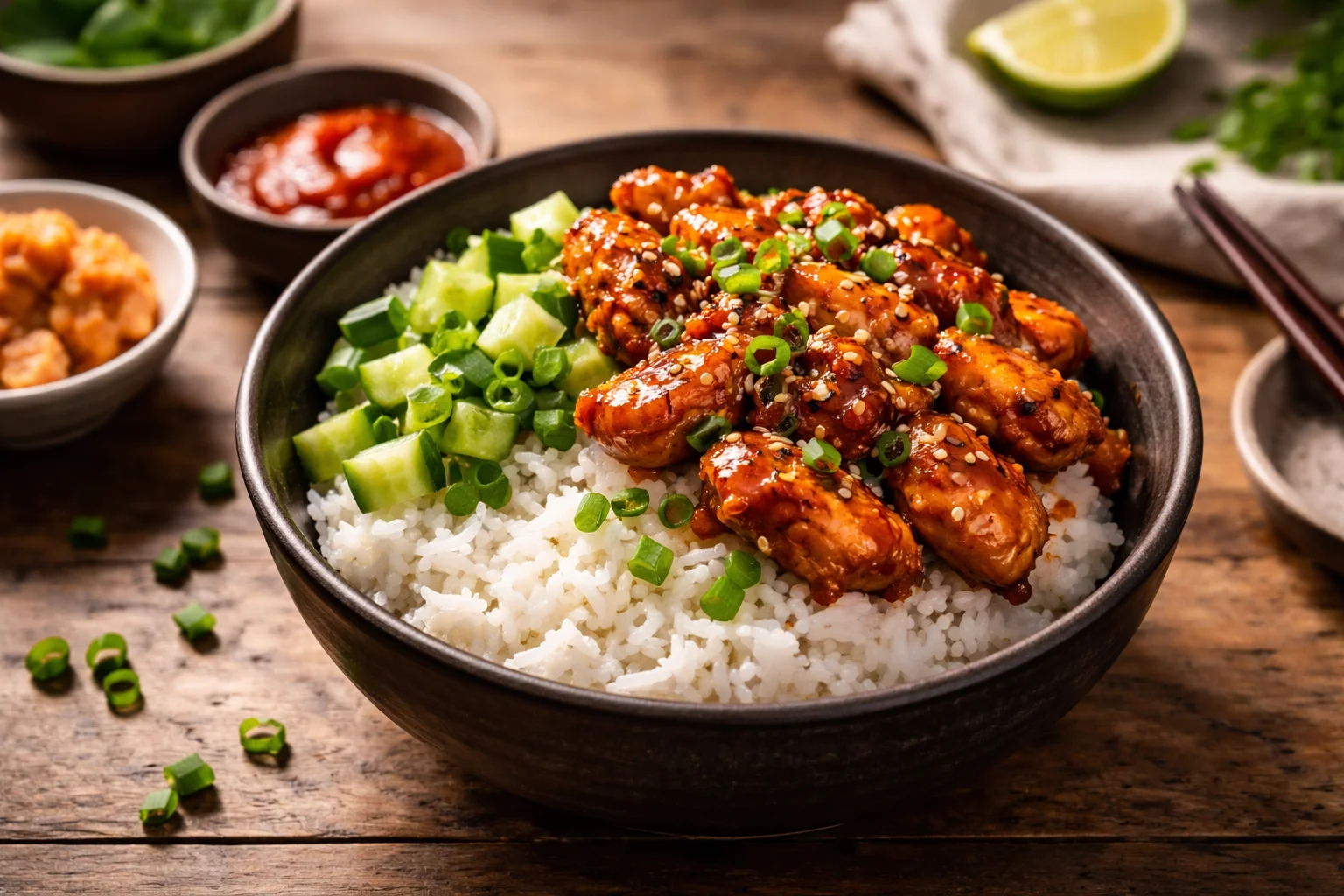
What is Gochujang?
Gochujang is a Korean chili paste that brings heat, sweetness, and deep savory flavor all at once. It is thick, red, and usually sold in a small tub in the international aisle or at an Asian grocery store. The first time I tried it, I expected just spicy. What I got was spicy plus this almost caramel like richness that makes sauces taste like they have been simmering all day.
For Korean Gochujang Chicken Rice Bowls, gochujang is the heart of the sauce. I mix it with a few pantry basics to make it glossy and spoonable, the kind of sauce that clings to chicken and sinks into the rice in the best way.
A few quick tips from my own trial and error:
Heat level varies by brand, so start with less if you are unsure. You can always add more later.
It is not the same as sriracha. Sriracha is sharper and thinner. Gochujang is deeper and more paste like.
Store it in the fridge once opened and it lasts a long time.
When I am in a Korean flavor mood, I bounce between chicken bowls and beef bowls too. If you are into that sweet spicy vibe, you might also like these sizzling Korean BBQ steak bowls on my site.
;
Which cut of chicken is best to use?
I have made Korean Gochujang Chicken Rice Bowls with pretty much every cut at this point. Here is the honest answer: use what fits your weeknight and your budget. That said, I do have favorites.
My go to choices
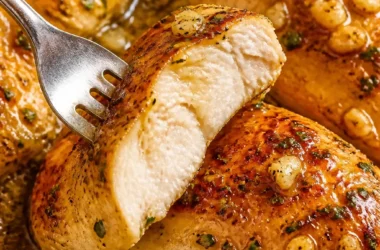
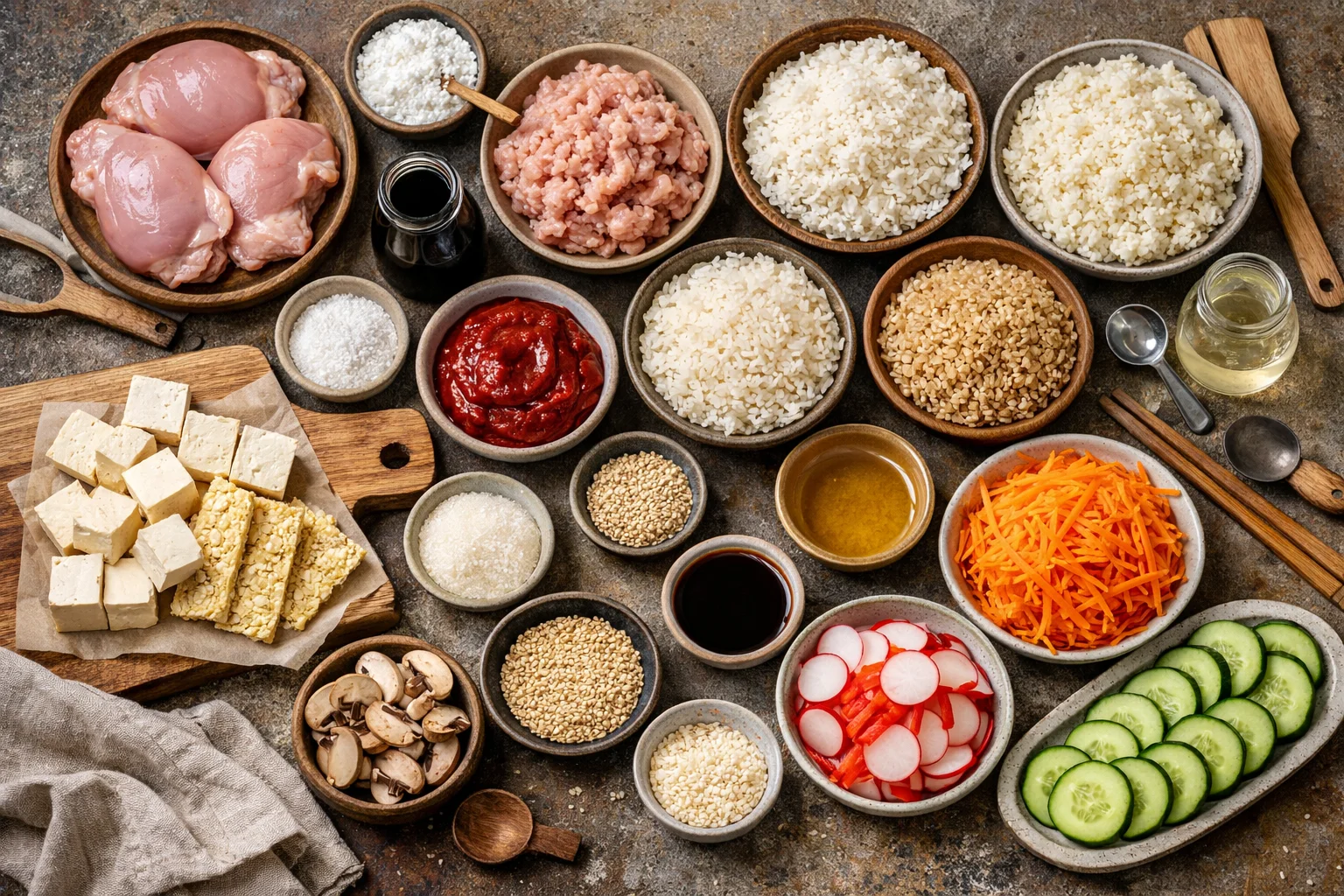
Boneless skinless chicken thighs are my top pick. They stay juicy, they can handle high heat, and they taste amazing with gochujang sauce. If you are worried about drying out chicken, thighs are your safety net.
Boneless skinless chicken breasts work too, but you have to be a bit more careful. Cut them into even bite size pieces and do not overcook. The sauce helps a lot, but timing matters.
Ground chicken is a sneaky good shortcut for busy nights. It cooks fast and the sauce coats every little bit, so you get big flavor fast.
If you want a quick method that never fails me, this is my basic flow: cut chicken into small chunks, cook in a hot pan, then add sauce at the end so it turns sticky instead of watery. If you add sauce too early, it can burn or get too thick before the chicken is done.
Little personal note: if I have had a long day and I want crispy edges, I do thighs and let them sit untouched in the pan for a minute before stirring. Those browned bits plus the sauce are everything.
“I made this on a Tuesday when I was totally tired, and it tasted like restaurant food. The sauce is unreal and the leftovers were even better.”
If you are a chicken dinner person like me, you might also enjoy crispy hot honey chicken thighs for another sweet spicy option.
Which rice is best to use?
Rice sounds simple until you are standing there wondering why yours is mushy, dry, or weirdly clumpy. For Korean Gochujang Chicken Rice Bowls, you want rice that can soak up sauce without turning to paste. Here are the ones I reach for most.
Best rice options for these bowls
Jasmine rice is my everyday pick. It is fragrant, soft, and cooks without drama if you rinse it and use the right water ratio.
Short grain rice feels the most classic for Korean style bowls. It is a bit stickier, which is great for scooping up chicken and sauce.
Brown rice is hearty and nutty. It takes longer, but it is really filling and holds up well for meal prep.
Cauliflower rice is great if you want something lighter. Just know it will not soak up sauce the same way, so I like to keep extra sauce on the side.
My simple rice rule: rinse your rice until the water looks mostly clear. It takes one minute and makes the texture so much better. Also, let it rest with the lid on for a few minutes after cooking. That little rest is the difference between good rice and great rice.
And if you are the type who loves rice based comfort food, I have a cozy one for you: easy creamy white chicken chili. It is not a rice bowl, but it scratches the same comfort itch on cold nights.
How to make these rice bowls gluten free, vegetarian or vegan
I love a recipe that can flex, because real life is like that. Different diets, different pantry items, different weeks. Korean Gochujang Chicken Rice Bowls are easy to adjust if you know what to swap.
Gluten free tips
Most of the time, the gluten issue comes from soy sauce and sometimes from the gochujang itself.
- Use tamari or a certified gluten free soy sauce.
- Check the label on your gochujang. Some brands contain wheat.
- If you thicken sauce with starch, cornstarch is usually gluten free, but check packaging to be safe.
Vegetarian and vegan swaps
Here is what I do when I am cooking for friends who do not eat meat, or when I just want a plant based night.
- Swap chicken for extra firm tofu. Press it, cube it, and pan crisp it first.
- Use tempeh for a nuttier, heartier bite.
- Try mushrooms, especially shiitake, for that savory depth.
- Double check your sugar. Most is vegan, but some people prefer organic.
One more thing: toppings matter even more when you go vegetarian. A pile of crunchy cucumber, shredded carrot, or quick pickled radish makes the bowl feel complete.
I keep the sauce the same idea, just without chicken, because that gochujang flavor is the whole point. Honestly, sometimes tofu version disappears faster than the chicken one.
Recipe Shortcuts
This is the part I wish someone had told me earlier. You can make Korean Gochujang Chicken Rice Bowls feel kind of fancy without doing anything complicated. It is all about smart shortcuts.
Here is what helps me get dinner on the table even when I am tired:
- Use microwave rice or frozen cooked rice. Heat it, fluff it, done.
- Pre cut veggies from the store, like slaw mix or matchstick carrots.
- Make the sauce ahead and keep it in a jar for up to a week.
- Use rotisserie chicken in a pinch. Warm it in a pan with the sauce until it gets sticky.
- Cook extra and pack bowls for lunch. The flavor gets even better the next day.
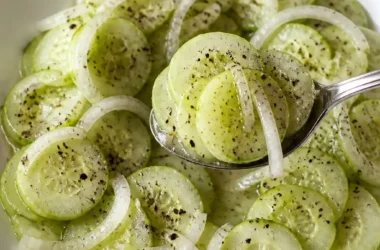
My favorite shortcut is making a quick cucumber topping: sliced cucumber, a pinch of salt, a tiny splash of rice vinegar, and a sprinkle of sesame seeds. It takes two minutes and makes the whole bowl feel fresh.
Also, if you are in a phase of easy dinners with big payoff, you might want to bookmark this creamy garlic butter chicken. Totally different vibe, same weeknight friendliness.
Common Questions
Can I make Korean Gochujang Chicken Rice Bowls less spicy?
Yes. Use less gochujang and add a little more honey or brown sugar. You can also stir in a spoonful of plain yogurt or mayo for a creamy mellow sauce on top.
What toppings go best with it?
My favorites are sliced cucumber, shredded carrots, green onions, sesame seeds, and a soft fried egg. Kimchi is great too if you like that tangy bite.
How do I keep the sauce from burning?
Cook the chicken first, then lower the heat and add the sauce near the end. Stir for just a minute or two until it turns glossy. If it gets too thick, splash in a tablespoon of water.
Is this good for meal prep?
It is one of my best lunch preps. Keep rice and chicken together, store crunchy toppings separately, and add them right before eating.
Can I use leftover rice?
Absolutely. Leftover rice is perfect. Warm it with a tiny splash of water and cover it so it steams back to life.
A spicy bowl you will actually crave again
If you try Korean Gochujang Chicken Rice Bowls once, they tend to sneak into your regular dinner rotation, especially when you want big flavor without a big mess. Play with the spice level, pick the chicken cut that fits your life, and do not skip a fresh crunchy topping if you can help it. If you want more inspiration, I have enjoyed comparing my version to Gochujang Chicken Rice Bowl – Curly’s Cooking and Sweet and Spicy Gochujang Chicken Bowls – Ambitious Kitchen, because it is fun to see how different kitchens do the same idea. Now go grab that tub of gochujang from the fridge and make yourself a bowl that tastes like you put in way more effort than you did. You deserve that kind of dinner tonight.
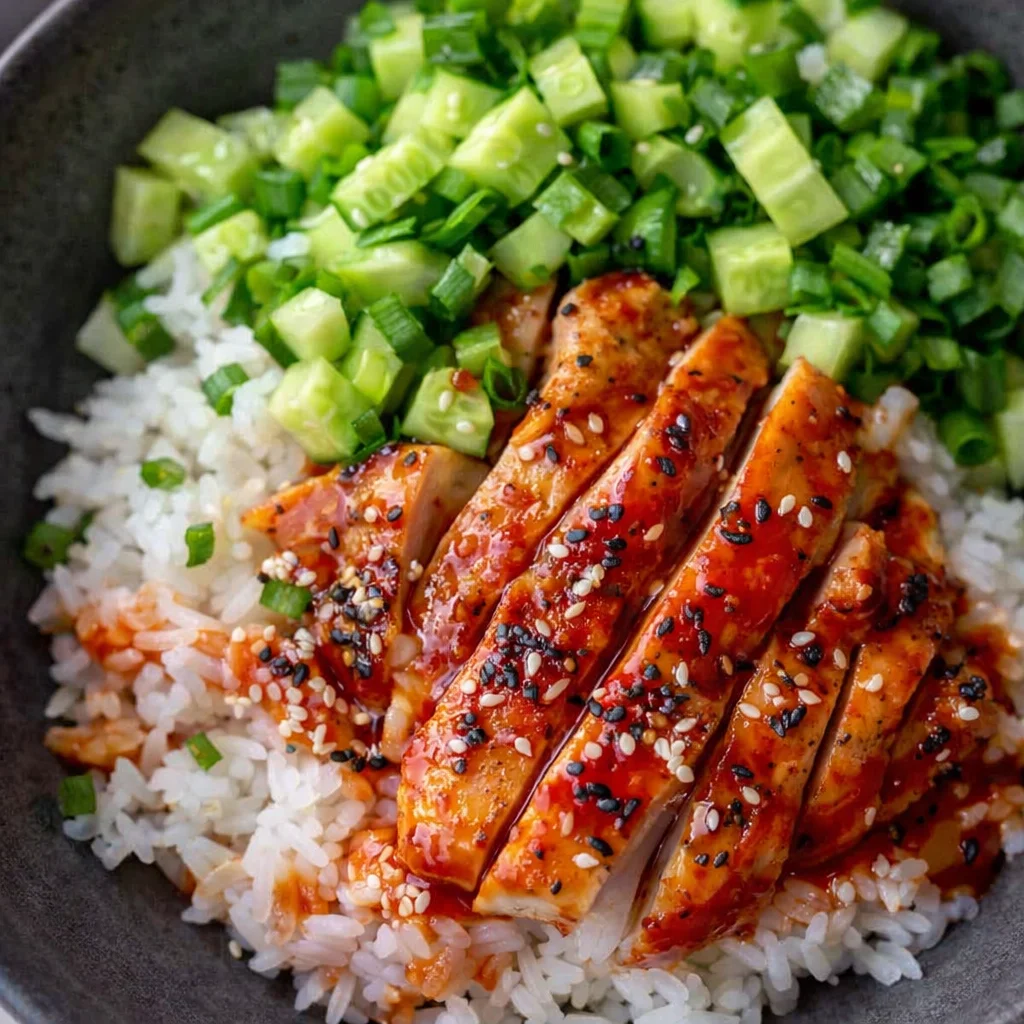
Korean Gochujang Chicken Rice Bowls
Ingredients
Method
- Rinse your rice until the water runs mostly clear.
- Cut chicken into bite-sized pieces.
- If using tofu or tempeh, press and cube it.
- In a hot pan, cook chicken until browned and cooked through.
- Add gochujang sauce and stir until sticky.
- While chicken cooks, prepare the rice according to package instructions.
- Layer rice in bowls, top with chicken and sauce.
- Add cucumber, carrots, and other desired toppings.
- Serve warm and enjoy!