



























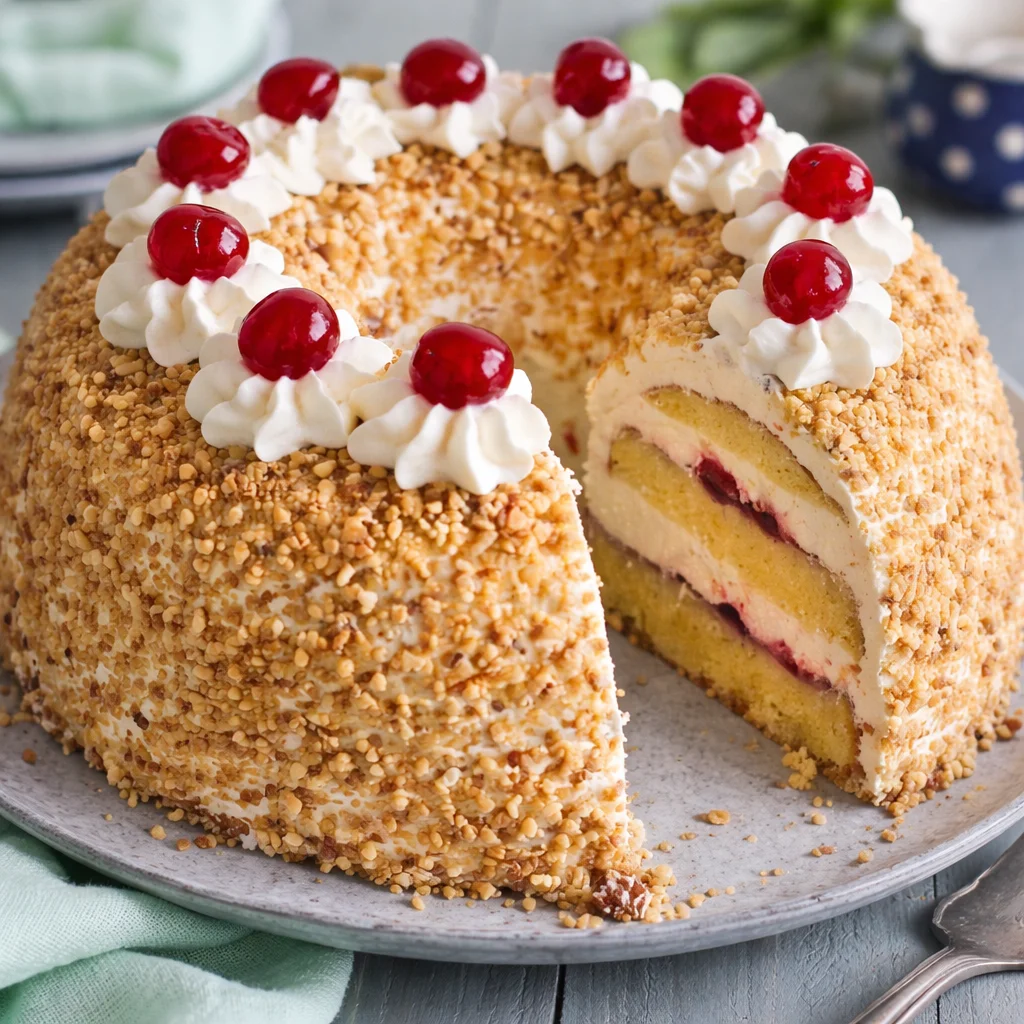
Frankfurter Kranz Recipe (German Crown Cake) is the kind of cake you make when you want something that looks fancy, but you also want it to feel cozy and familiar when you slice into it. Maybe you have a birthday coming up, a coffee visit with friends, or you just want to bake something that feels a little special on a normal weekend. I used to think this cake was way too “bakery level” to do at home. Then I actually tried it, and honestly, it is totally doable if you take it step by step. The best part is the combo of fluffy cake, creamy filling, and that crunchy nutty coating on the outside. 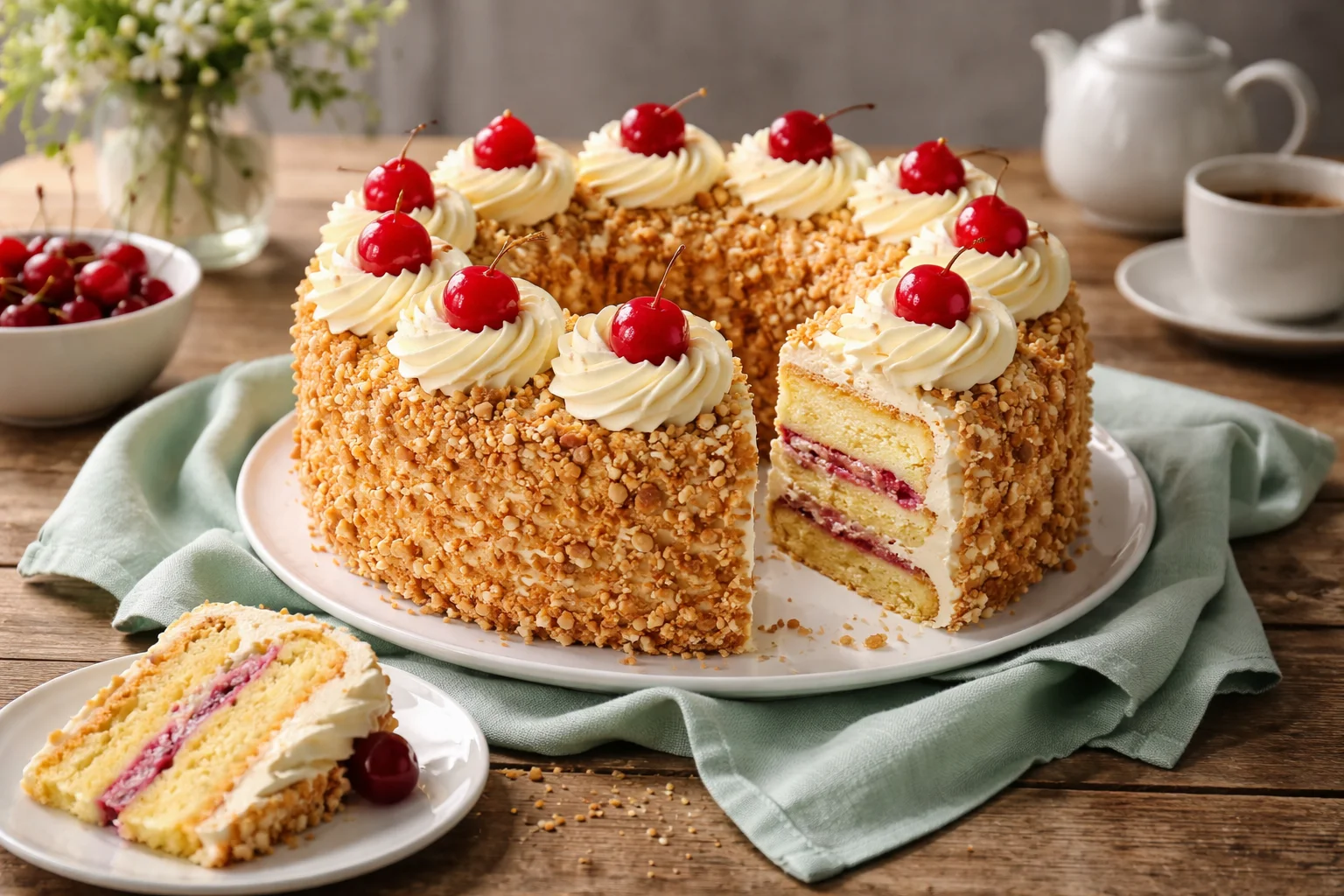
How to Make Frankfurter Kranz Recipe
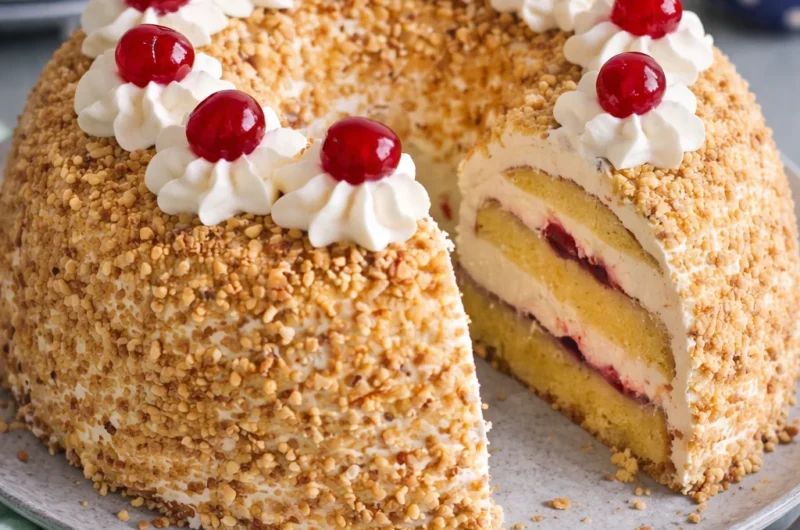
Let’s talk about what you’re really here for: how to bake this crown shaped beauty without stress. A classic Frankfurter Kranz Recipe (German Crown Cake) is usually made in a ring pan (like a bundt style pan), sliced into layers, then filled and coated with buttercream, and finished with crunchy caramelized nuts. It sounds like a lot, but each part is simple on its own.
What you will need
- Ring pan (9 to 10 inch is great)
- Mixing bowls, hand mixer or stand mixer
- Small saucepan (for pudding base)
- Cooling rack
- Long serrated knife (for slicing layers)
Quick note before ingredients: I always grease the pan really well and dust it with flour or fine breadcrumbs. This cake can be a bit clingy, and nobody wants to pry a crown cake out in pieces.
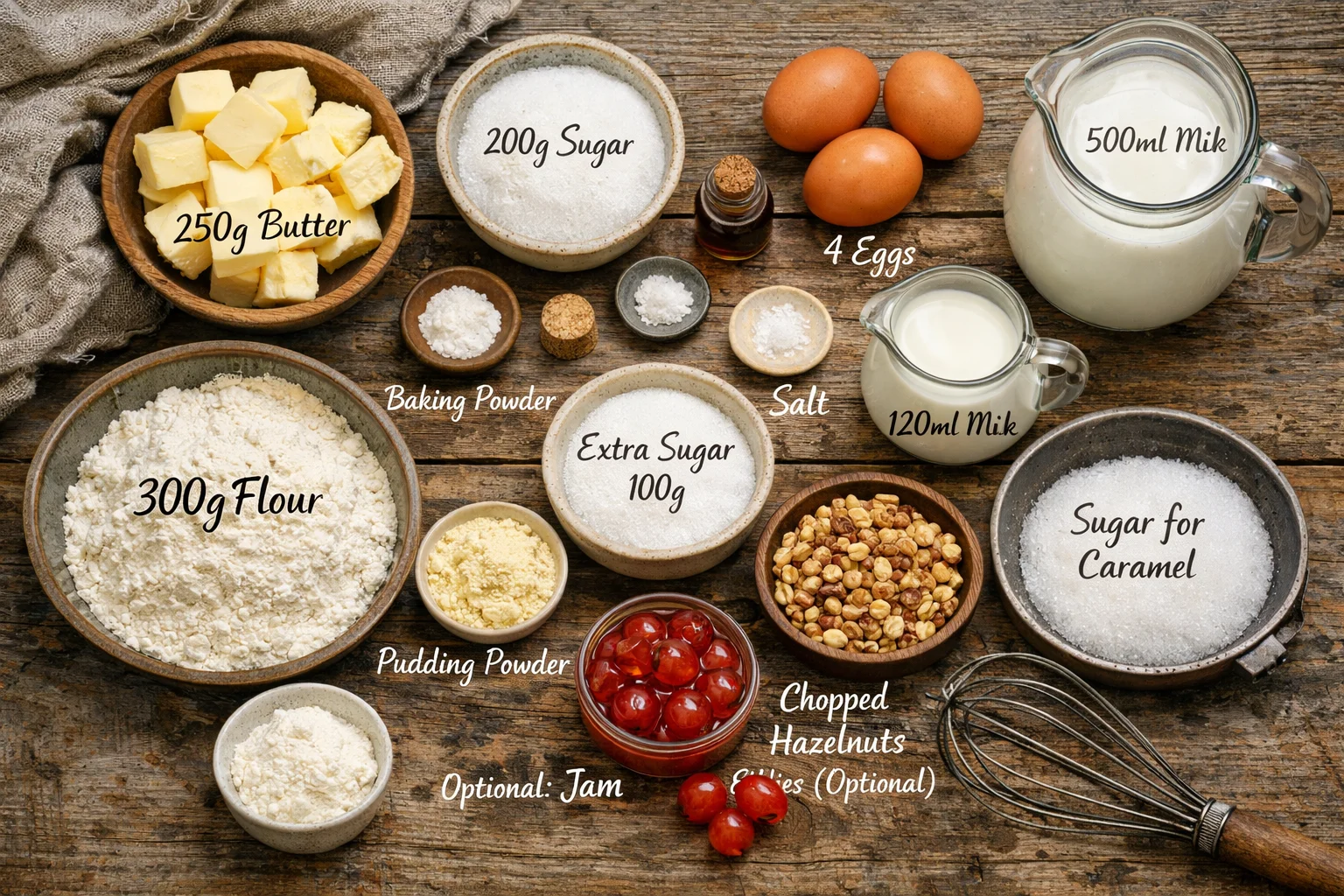
Ingredients (simple and classic)
- 250 g butter, softened
- 200 g sugar
- 1 tsp vanilla
- 4 eggs
- 300 g all purpose flour
- 2 tsp baking powder
- Pinch of salt
- 120 ml milk
For the buttercream filling (traditional German style, pudding based):
- 500 ml milk
- 1 pack vanilla pudding powder (or 40 g cornstarch plus extra vanilla)
- 80 to 100 g sugar (to taste)
- 250 g butter, softened
For the coating and topping:
- 150 to 200 g chopped hazelnuts (or almonds)
- 80 g sugar (for caramelizing nuts)
- Optional: a little jam (red currant or raspberry is common)
- Optional: candied cherries for the “crown jewels” look
Directions, in a calm and doable order:
1) Bake the ring cake. Preheat your oven to 350 F (180 C). Cream butter and sugar until fluffy. Mix in vanilla. Add eggs one at a time. In another bowl, stir flour, baking powder, and salt. Add dry ingredients and milk in turns, mixing just until combined. Spoon into your greased ring pan and smooth the top. Bake about 35 to 45 minutes, until a toothpick comes out clean. Cool 10 minutes in the pan, then turn out and cool completely.
2) Make the pudding base. Whisk pudding powder (or cornstarch) with a little of the milk so it’s smooth. Heat the rest of the milk with sugar, then whisk in the slurry and cook until thick. Cover the surface with plastic wrap so it doesn’t form a skin. Cool to room temp. This is important. If it’s warm, it can melt your butter later.
3) Turn it into buttercream. Beat softened butter until pale and creamy, then add the cooled pudding one spoonful at a time. Take your time. If it looks curdled, keep mixing. It usually comes back together after a minute or two.
4) Caramelize the nuts. In a skillet, heat sugar until it melts and turns golden. Stir in chopped nuts, coat quickly, then spread on parchment to cool. Once cool, break apart. This part smells amazing, like a fairground but classier.
5) Assemble the crown. Slice the cake horizontally into 2 or 3 layers. Spread a thin layer of jam if you want that fruity pop, then spread buttercream. Stack layers. Coat the outside with buttercream, then press caramelized nuts all over the sides and top. Pipe a few buttercream rosettes on top and add cherries if you like.
If you want more baking inspiration later, you can also check out my other classic cake recipes where I keep things simple and very home kitchen friendly.
;
Taste and Occasion
This is one of those cakes that tastes even better than it looks. A well made Frankfurter Kranz Recipe (German Crown Cake) is rich, but not heavy in a stuck in your throat way. The cake itself is buttery and soft, the buttercream is smooth and comforting, and the caramelized nuts give it that crunchy, toasty edge that makes every bite interesting.
I love serving it with coffee in the afternoon, especially if you’re doing a little “come by for cake” moment with friends or family. It also works for birthdays because it naturally looks like a celebration cake without needing tons of decorations.
Serving ideas that feel very “German cafe at home”:
- Strong coffee or espresso
- Black tea with a slice of lemon
- Fresh berries on the side if you want something lighter
“I made this for my dad’s birthday and everyone thought I bought it from a bakery. The nut coating was the best part, and the buttercream was way less sweet than American frosting. Definitely making it again.”
By the way, if you’re planning a whole German themed dessert table, I keep a running list of ideas here: German dessert favorites I actually make at home.
Top Tip
If you only remember one thing, make it this: temperature matters. Most Frankfurter Kranz disasters happen when the pudding base is still warm or the butter is too cold. They need to be close to the same room temperature so the buttercream stays smooth.
Here are my “save your sanity” tips:
Cool the cake completely before slicing. If it’s even a little warm, it’ll crumble and you’ll feel annoyed for no reason.
Chill briefly if needed. If your kitchen is hot and the buttercream feels soft, pop the assembled cake in the fridge for 20 minutes. Then continue coating with nuts.
Use a gentle hand with the nuts. Press them in, but don’t smash them into the buttercream so hard that the coating looks muddy.
And one more thing: if your caramelized nuts clump up, that’s normal. Let them cool fully, then break them apart with your fingers or a rolling pin. Snack on the extra, obviously.
If you’re curious about other frosting and filling ideas (especially less sweet ones), I’ve got a helpful guide here: easy filling and frosting combos for homemade cakes.
Variations
Once you’ve made the classic version, it’s really fun to play around. A Frankfurter Kranz Recipe (German Crown Cake) is traditional, yes, but your kitchen, your rules.
Chocolate twist: Add 2 to 3 tbsp cocoa powder to the cake batter (reduce flour slightly) and make a chocolate pudding base for the buttercream.
Lighter fruit layer: Spread a thin layer of raspberry or red currant jam between layers. It cuts the richness in a really nice way.
Nut swap: Hazelnuts are classic, but toasted almonds are also great. Even pistachios can work if you want a different vibe.
Mini crowns: Bake in mini bundt pans and make individual cakes. They’re adorable for parties and honestly easier to serve.
If you’re making this for someone who doesn’t love super rich frosting, you can also do a thinner layer of buttercream and rely on the nut coating for that classic look. It still reads as Frankfurter Kranz, just a little lighter.
Want More Delicious German Cakes?
You’re not alone if this cake sent you down a German baking rabbit hole. I did the same thing. Once you get comfortable with a butter based cake and a pudding style buttercream, a lot of German classics start to feel approachable.
Here’s what I recommend if you’re continuing the baking mood:
Start with one reliable base recipe and change flavors slowly, like adding lemon zest or a spoon of jam between layers.
Keep notes on baking time in your oven. Every oven has its own personality.
Practice the finish with nuts and piping when you’re not in a rush. It gets easier fast.
Common Questions
1) Can I make Frankfurter Kranz Recipe (German Crown Cake) a day ahead?
Yes, and it’s actually better the next day. The flavors settle and the cake slices more neatly. Keep it covered in the fridge, then let it sit out 20 to 30 minutes before serving.
2) My buttercream looks curdled. Did I ruin it?
Probably not. Keep mixing for a minute or two. If it still looks split, your butter and pudding were likely different temperatures. Let the bowl sit 10 minutes, then mix again.
3) What if I don’t have a ring pan?
You can bake it in two round pans and stack it like a layer cake. It won’t be crown shaped, but it will still taste amazing.
4) Can I freeze it?
You can freeze the plain cake layers well wrapped. I don’t love freezing the fully assembled cake because the nut coating can go a bit soft, but it’s possible if you need to.
5) What nuts are most traditional?
Hazelnuts are the classic choice, especially for that deep toasted flavor. Almonds are a common backup and still feel very authentic.
A sweet final note before you bake
If you try this at home, go slow and enjoy the process, because that’s honestly the secret to a great Frankfurter Kranz Recipe (German Crown Cake). If you want to compare methods and see other reliable approaches, I like reading Oma’s Frankfurter Kranz Recipe – German Crown Cake (Wreath … and this lovely deep dive on texture and flavor from Frankfurter Kranz, a German Buttercream Cake with caramelized …. Then come back to your kitchen, put some music on, and make your own version. You’re going to slice into that crunchy nut layer and feel ridiculously proud of yourself.
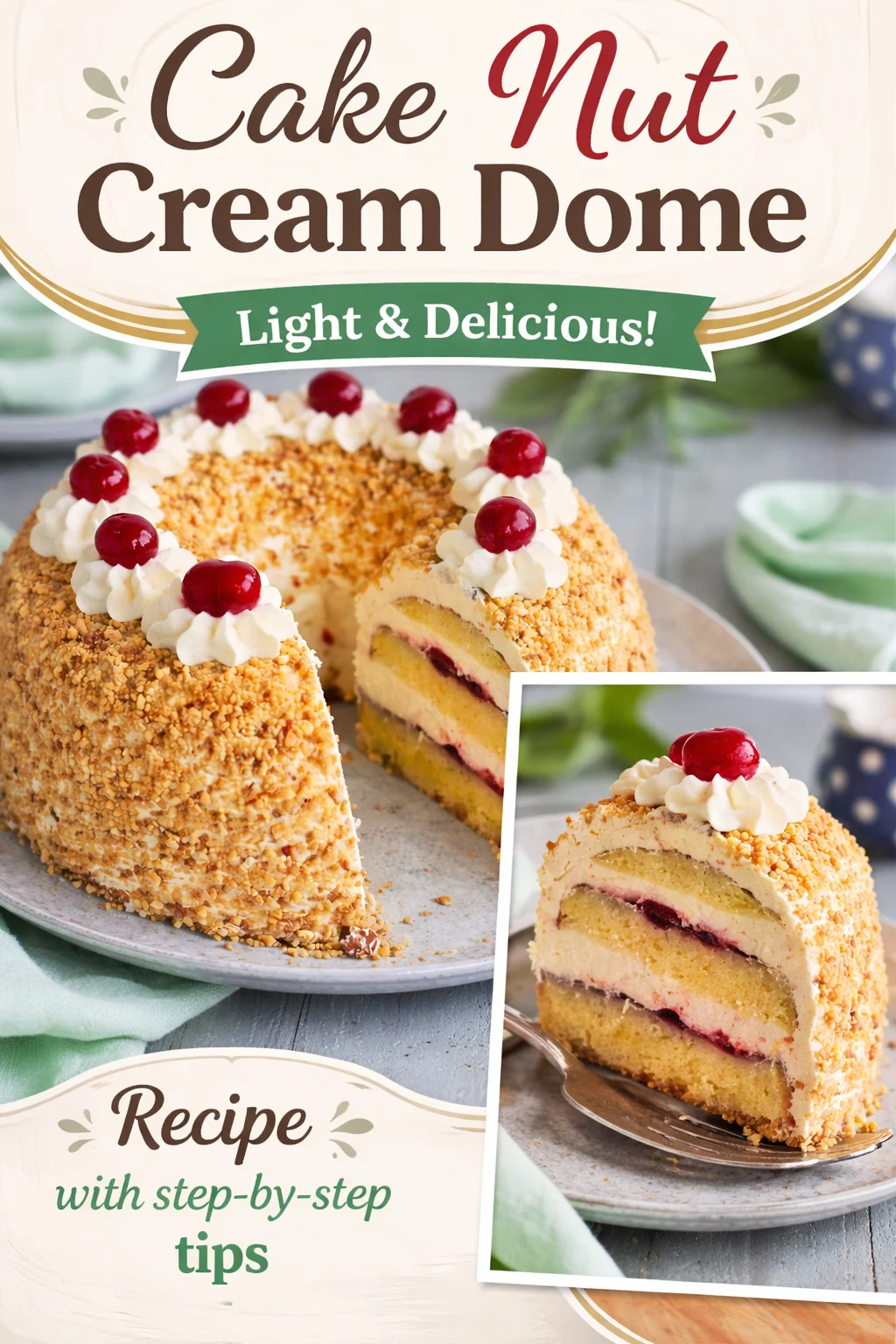
Frankfurter Kranz
Ingredients
Method
- Preheat your oven to 350°F (180°C). Grease a ring pan and dust with flour or fine breadcrumbs.
- In a mixing bowl, cream the butter and sugar until fluffy. Mix in the vanilla.
- Add the eggs one at a time, mixing well after each addition.
- In another bowl, combine the flour, baking powder, and salt, then add the dry ingredients and milk alternately to the butter mixture, mixing just until combined.
- Spoon the batter into the prepared ring pan, smoothing the top.
- Bake for about 35 to 45 minutes, until a toothpick comes out clean. Cool for 10 minutes in the pan before turning out to cool completely.
- In a saucepan, whisk the pudding powder (or cornstarch) with a little milk until smooth.
- Heat the rest of the milk with sugar until warm, then whisk in the pudding mixture and cook until thick.
- Cover the surface with plastic wrap and cool to room temperature.
- Beat the softened butter until pale and creamy, then gradually add the cooled pudding until fully combined.
- Slice the cooled cake horizontally into 2 or 3 layers.
- Spread a thin layer of jam on the bottom layer, then spread buttercream filling.
- Stack the layers and coat the outer sides with buttercream.
- Press caramelized nuts onto the sides and top of the cake.
- Pipe a few buttercream rosettes on top and add cherries if desired.