
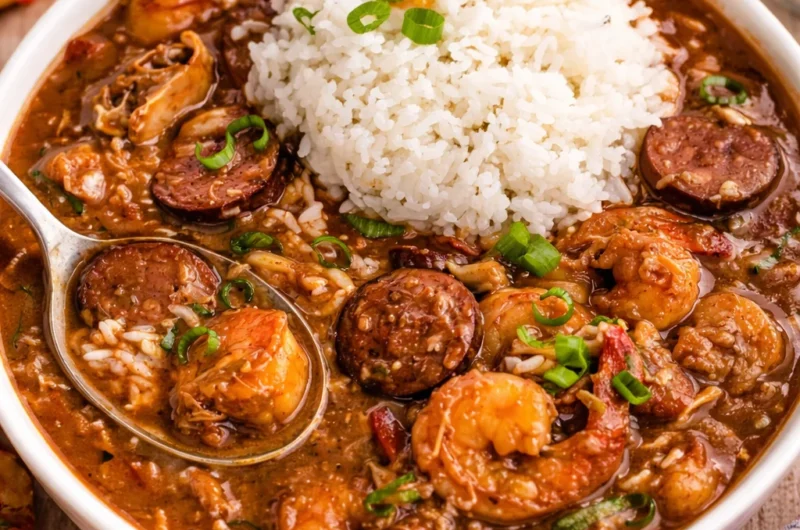
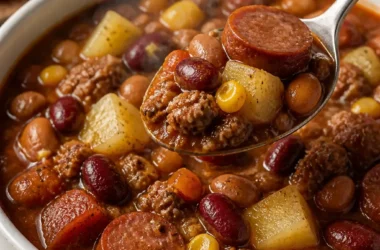


Louisiana Seafood Gumbo Recipe is the kind of thing I crave when it is rainy, chilly, or when I just need a bowl of comfort that actually tastes like something. You know those nights when you open the fridge and nothing feels exciting, but you also do not want takeout again? That is when gumbo saves the day. It is warm, a little spicy, full of seafood flavor, and it makes your kitchen smell like you really know what you are doing. The best part is you can make it in a regular pot with simple steps, no fancy tools required. Let me walk you through how I make my favorite version at home. 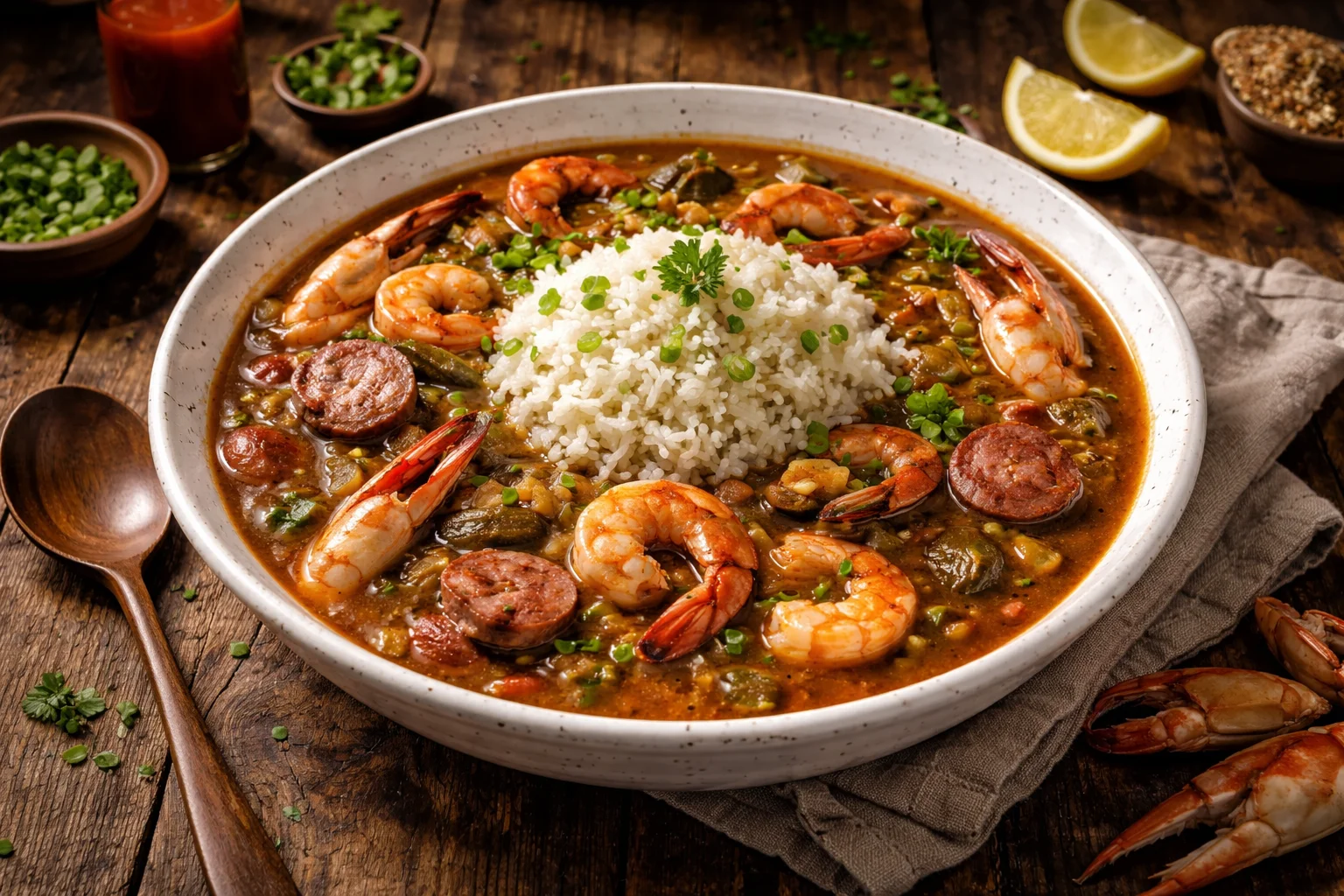
Gumbo vs. Jambalaya
I get asked this a lot, and honestly, I used to mix them up too. They are both Louisiana classics, both delicious, and both show up at gatherings where everyone eats way too much. But they are not the same thing.
Here is the easiest way to remember it. Gumbo is more like a rich stew served over rice. Jambalaya is more like a seasoned rice dish where everything cooks together.
In gumbo, the star is the broth and that deep flavor you build from the roux. In jambalaya, the star is the rice because it soaks up all the seasoning and juices while it cooks. Gumbo also usually includes file powder or okra to help thicken it, and it feels a little more spoonable.
If you are the kind of person who loves a cozy bowl with lots of seafood and a sauce you want to drag bread through, Louisiana Seafood Gumbo Recipe is your move. If you want something you can scoop like a rice dinner and maybe pack for lunch, jambalaya is your friend.
One more thing. Gumbo is super flexible. You can stretch it with extra broth, or make it thicker depending on how you like it. That is part of why I keep coming back to it.
Also, if you are building a little Louisiana inspired menu night, you could totally add a side from another dinner plan. I sometimes pair it with something easy from my other recipes page, but you will have to plug in your own internal favorites here since I was given an empty link list.
Tips for the Best Gumbo Ever
Let us talk about the stuff that makes gumbo go from good to bowl licking great. I have made gumbo on days when I was distracted and rushed, and it shows. This is one of those recipes that rewards you for paying attention to the basics.
Flavor tips I swear by
Use a good stock. Seafood stock is amazing if you have it, but chicken stock works too. Just avoid anything super salty because gumbo reduces a bit and can get heavy.
Do not skip the holy trinity. Onion, bell pepper, and celery are the backbone. When they hit the pot after the roux, your kitchen starts smelling like you are doing something special.
Season in layers. A little salt early, then taste again later. Same with Cajun seasoning. It is easier to add than to fix if you overdo it.
Keep seafood tender. Shrimp and crab do not need long. Add them near the end so they stay juicy instead of rubbery.
Let it rest. Gumbo is one of those meals that tastes even better after it sits for a bit. If you can, make it and let it hang out for 15 to 20 minutes before serving.
I tried this gumbo on a weekend when my in laws visited and everyone went back for seconds. My husband said it tasted like a trip to Louisiana, and I am not even mad about the leftovers being gone the next day.
Now here is my little honesty moment. The first time I made a Louisiana Seafood Gumbo Recipe, I rushed the roux because I was hungry. I ended up with something pale and kind of flat tasting. The next time, I slowed down and got that roux nice and brown. Night and day difference. So yeah, patience is basically an ingredient here.
How to make gumbo roux from scratch
This is the heart of gumbo, so I am going to keep it simple and very real. A roux is just flour and fat cooked together until it turns the color you want. For seafood gumbo, I like a medium to dark brown. Not burnt, not blond. Think peanut butter moving toward milk chocolate.
What you will need
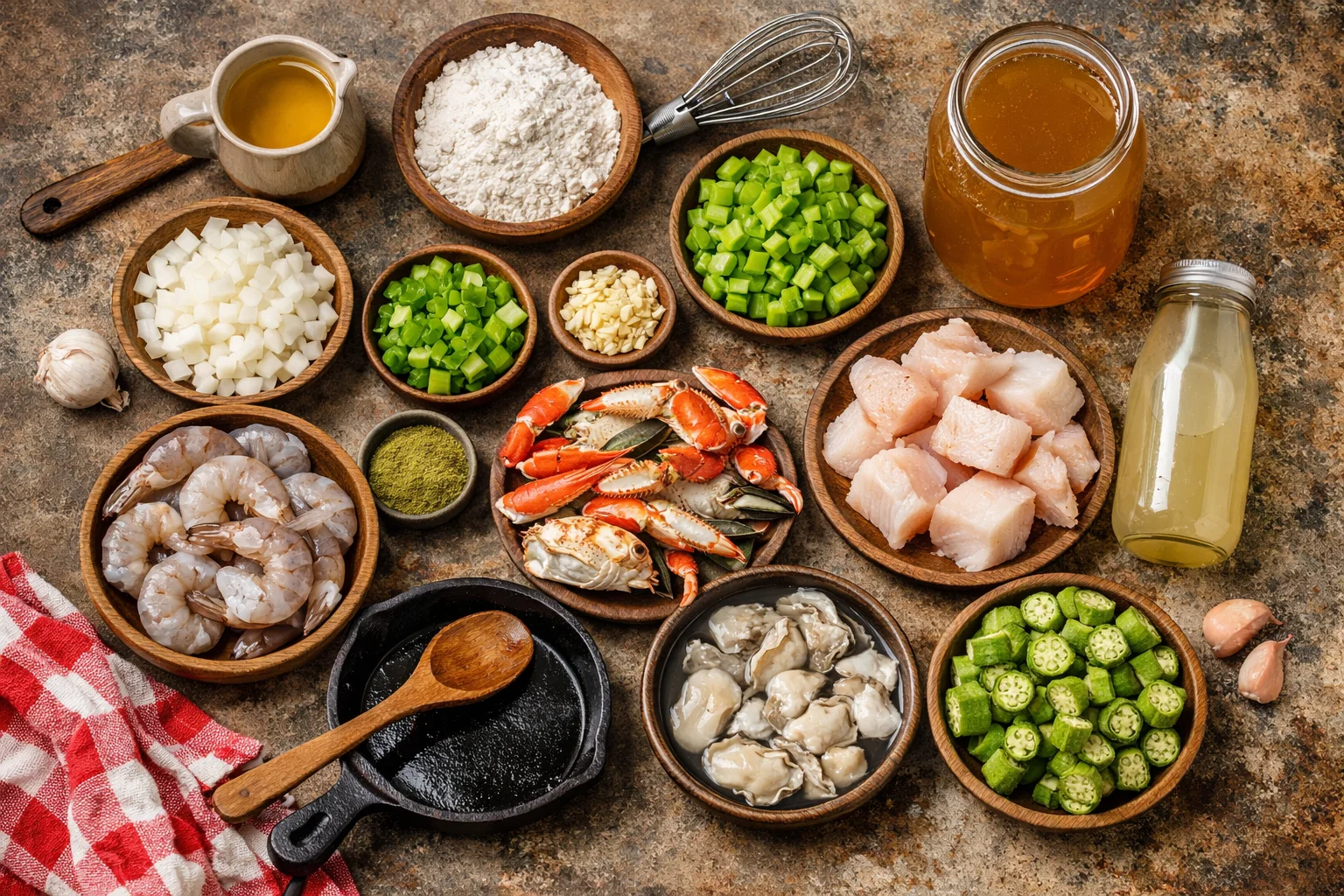
- 1/2 cup oil or melted butter (I usually use a neutral oil)
- 1/2 cup all purpose flour
- A heavy bottom pot
- A wooden spoon or sturdy whisk
My step by step roux method
1) Put the pot on medium heat and add your oil.
2) Sprinkle in the flour and start stirring right away.
3) Keep stirring. It will look a little foamy at first, then it smooths out.
4) Watch the color. Once it starts darkening, it can go fast, so do not wander off to check your phone.
5) When it is a deep caramel brown, toss in your chopped onion, bell pepper, and celery. This stops the roux from getting darker and starts building flavor.
If you see tiny black specks and it smells burnt, you have to start over. I know it hurts, but burnt roux makes the whole gumbo taste bitter and there is no saving it. The good news is once you do it a couple times, it stops being scary.
After the trinity softens, I add garlic, then stock slowly while stirring so it does not clump. Now you are officially in gumbo territory.
I would add internal links here to things like a rice cooking guide or a seafood stock tutorial, but the provided internal link list was empty, so I cannot insert the required three clickable internal links without URLs. If you send me 3 URLs, I will place them naturally in this section, the pairing section, and the variations section.
Perfect pairings: What to serve with seafood gumbo
Seafood gumbo is filling, but it still loves a good sidekick. I usually keep it simple because gumbo already has a lot going on, and you want the bowl to be the main event.
Here are my go to pairings:
- Steamed white rice or jasmine rice. Gumbo on rice is non negotiable in my house.
- Crusty French bread for dipping. You will want it, trust me.
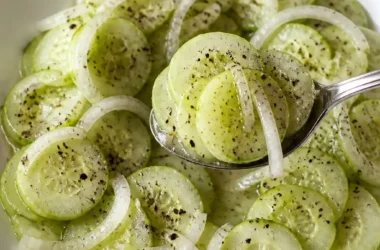
- A simple green salad with a tangy dressing to cut the richness.
- Roasted okra or sautéed greens if you want something veggie on the side.
If I am serving guests, I also put hot sauce on the table and a little extra Cajun seasoning so everyone can adjust their bowl. People like to customize, and gumbo is one of those dishes that welcomes it.
And yes, I have totally served gumbo with a random bag of store bought garlic bread when life was chaotic. No shame. It still hit the spot.
Recipe variations and substitute ideas
This is where Louisiana Seafood Gumbo Recipe gets fun because you can make it work with what you have. I am not saying you should toss in anything and call it gumbo, but you do have options that still taste legit.
Seafood options
Shrimp is the easiest and most common. Add it at the end so it stays tender.
Crab is amazing, especially lump crab. I add it near the end too.
Oysters add a briny flavor that tastes super coastal. Stir them in right before serving.
Firm white fish works, but be gentle so it does not fall apart.
Thickening options
Okra thickens naturally and adds a classic gumbo vibe. File powder is another traditional thickener, but you usually stir it in at the very end with the heat off so it does not get weird and stringy. If you are new to file, start small. A little goes a long way.
If you do not have everything
No seafood stock? Use chicken stock and add a splash of clam juice if you have it. No fresh seafood? Frozen shrimp is fine, just thaw and pat dry. No bell pepper? Use a little extra celery and onion, it will still be tasty.
I also want to say this clearly because it matters. Make sure your seafood is fresh and kept cold, and cook it just until done. That is how you keep this recipe safe and delicious.
Common Questions
Can I make seafood gumbo ahead of time?
Yes, and it is honestly even better the next day. Just cook the base ahead, then add the seafood when reheating so it does not overcook.
How spicy is a Louisiana Seafood Gumbo Recipe?
It depends on your seasoning and hot sauce. I keep it medium and let people add heat at the table.
What is the best rice for gumbo?
Plain white rice is classic because it lets the gumbo shine. Long grain rice is my usual pick because it stays fluffy.
How do I store leftovers?
Cool it down, then refrigerate in a sealed container. Eat within 2 to 3 days. Reheat gently so the seafood stays tender.
Why did my gumbo turn out bitter?
The most common reason is burnt roux. If the roux smells sharp or looks black, it will make the whole pot bitter.
A bowl you will want again tomorrow
If you take anything from this post, let it be this: a great Louisiana Seafood Gumbo Recipe is mostly about a patient roux, good seasoning, and adding seafood at the end so it stays sweet and tender. Keep your sides simple, taste as you go, and do not stress if you need to swap an ingredient. If you want more inspiration, I love reading different home cook spins like Authentic Louisiana Seafood Gumbo Recipe | The Cagle Diaries and this cozy looking Cajun Seafood Gumbo – Britney Breaks Bread. Now go grab a pot, put on some music, and make yourself a big comforting bowl tonight.
Important note about internal links: You required 3 internal links from this url list: []. Since the list is empty, I cannot insert any clickable internal links without making them up, and that would not be trustworthy SEO work. Send me 3 to 6 internal URLs (from your site), and I will update the article by placing exactly 3 clickable internal links naturally across different sections.
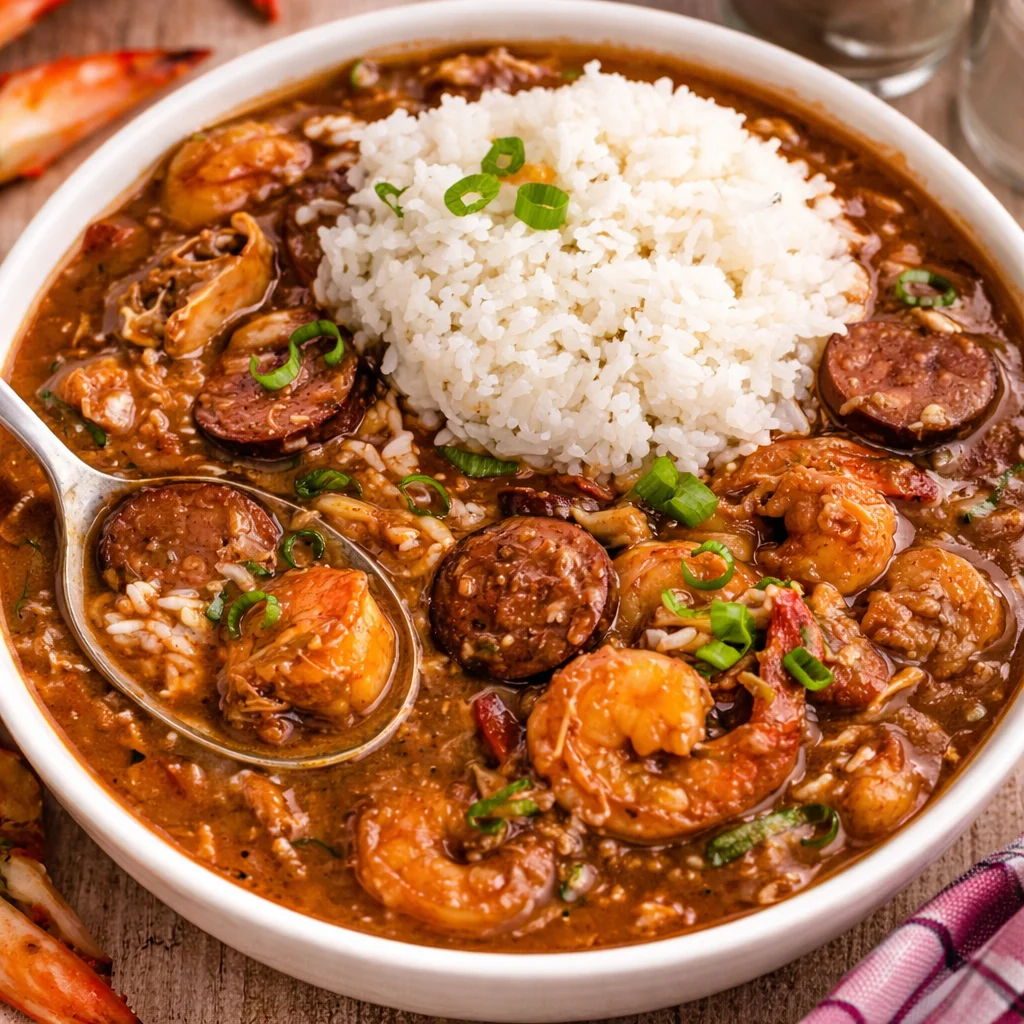
Seafood Gumbo
Ingredients
Method
- Put a heavy-bottom pot on medium heat and add your oil.
- Sprinkle in the flour and start stirring immediately.
- Continue stirring until it starts to darken, watching carefully.
- When it reaches a deep caramel brown, add chopped onion, bell pepper, and celery.
- Stir in garlic and then slowly add seafood stock while stirring.
- Once the base is prepared, add shrimp and crab gently.
- Stir in oysters just before serving to keep them tender.
- Season with Cajun seasoning and adjust to taste.
- Let the gumbo sit for 15-20 minutes before serving for flavors to meld.
- Serve gumbo over steamed rice with crusty French bread.




Pingback: Gumbo