
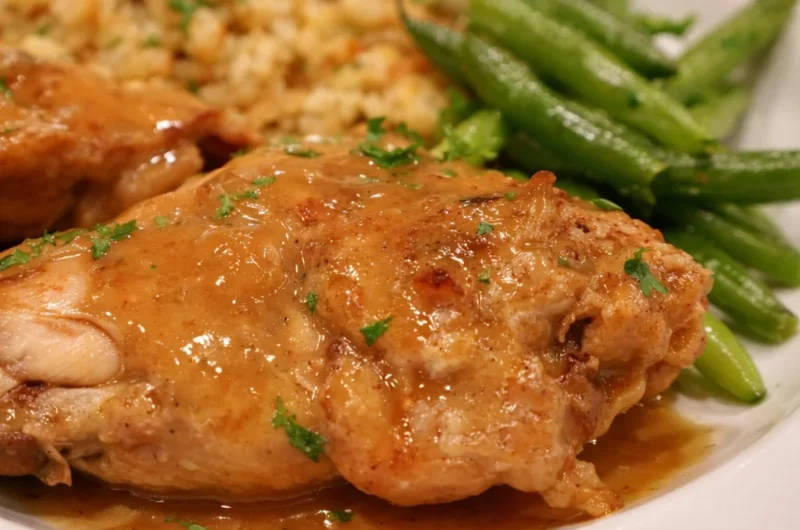




























Authentic Hasenpfeffer Recipe (Traditional German Rabbit Stew) is one of those dishes you end up craving the second the weather turns chilly and you realize soup and grilled cheese just will not cut it. Maybe you have rabbit in the freezer, maybe you saw it at a specialty shop and felt curious, or maybe you just want a cozy dinner that tastes like it has a story behind it. I get it, this recipe can feel a little intimidating at first because it sounds old school and fancy. But it is really just a slow, comforting stew with a tangy, winey sauce and super tender meat. If you can stir a pot and taste as you go, you can make this. 
What is Hasenpfeffer?
Hasenpfeffer is a classic German style stew, usually made with rabbit (hare in the old days), onions, herbs, spices, and a marinade that gives it that signature tang. The name gets explained a bunch of ways, but the important part for home cooking is this: it is a marinated rabbit stew that tastes deep, slightly sour in a good way, and super warming.
When people say “authentic,” they usually mean a few key things happen:
1) The rabbit gets marinated in wine and vinegar with aromatics. 2) The stew simmers slowly until it is fall apart tender. 3) The sauce ends up glossy and richly flavored, not watery.
I grew up thinking rabbit was only for hunters and grandpas. Then I tried Hasenpfeffer at a little German restaurant years ago and I still remember that first bite. It tasted like pot roast’s cooler, more interesting cousin. At home, this Delicious Authentic Hasenpfeffer Recipe became my “I want something special but still doable” dinner.
If you are building a cozy German dinner night, I usually pair this with something simple like potatoes or noodles. And if you like hearty comfort food in general, you might also like my beef stew tips since the technique overlaps in a really friendly way.

Traditional German Hasenpfeffer (Rabbit Stew)
Okay, here is how I make it at home. This version keeps the spirit of the classic dish but stays realistic for a normal kitchen. The marinating step matters, so do not skip it if you can help it. Overnight is best, but even a few hours helps a lot.
Ingredients and marinade
This is the only section where I am going to get a little list happy, because it makes shopping way easier.
- Rabbit: 1 whole rabbit cut into pieces (about 2.5 to 3.5 pounds)
- Dry red wine: 2 cups
- Red wine vinegar: 1 third cup
- Onion: 1 large, sliced
- Carrots: 1 to 2, sliced
- Celery: 1 to 2 stalks, sliced
- Garlic: 3 cloves, smashed
- Bay leaves: 2
- Juniper berries (optional but very traditional): 6 to 10
- Whole peppercorns: 1 teaspoon
- Cloves (optional): 2
- Salt: start with 1 teaspoon, adjust later
- Flour: about 1 third cup for dredging
- Bacon or pancetta: 3 to 4 ounces, chopped
- Oil or butter: 1 to 2 tablespoons if needed
- Broth: 1 to 2 cups (chicken or beef, your call)
- A little sugar or jam (optional): 1 teaspoon, to round out the tang
Step by step directions
1) Marinate the rabbit. Put rabbit pieces in a large bowl or zip bag. Add wine, vinegar, onion, carrots, celery, garlic, bay leaves, and spices. Cover and chill. I do overnight when I can.
2) Separate and dry. Pull rabbit out of the marinade and pat it dry. Strain the marinade and save the liquid and veggies. This part feels fussy, but it helps you brown the meat instead of steaming it.
3) Brown the bacon. In a heavy pot, cook bacon until it gives up its fat and turns a bit crisp. Scoop it out and save it.
4) Dredge and brown the rabbit. Lightly salt the rabbit and dust with flour. Brown in batches. Do not crowd the pot. You are building flavor here.
5) Soften the marinated veggies. Toss the strained onions, carrots, and celery into the pot for a few minutes. Scrape up the browned bits. Those bits are basically free flavor.
6) Simmer. Add the reserved marinade liquid back in, plus 1 cup broth to start. Add bacon back too. Bring it to a gentle simmer, then lower the heat and cover. Let it cook 1.5 to 2 hours, until the rabbit is tender.
7) Finish the sauce. Taste first. If it feels too sharp, add a teaspoon of sugar or a tiny spoon of jam. If the sauce is thin, simmer uncovered a bit. If it is too thick, splash in more broth.
This Delicious Authentic Hasenpfeffer Recipe is even better the next day, and I mean that. The flavor settles in and the sauce gets friendlier.
“I followed this method with the overnight marinade and the sauce came out restaurant good. My family cleaned the pot, which never happens with new recipes.”
For sides, I usually do potatoes or buttered noodles, and something crunchy like cabbage salad so the plate does not feel too heavy. If you want another cozy side idea, I also keep my simple dumpling guide bookmarked because dumplings and stew are a very happy pair.
Kitchen Equipment
You do not need anything fancy, but a couple things make this so much easier. The big goal is steady heat and enough space to brown the meat properly.
What you will need:
A Dutch oven or heavy pot with a lid is my favorite for Hasenpfeffer. A wide skillet plus a separate pot also works, but it is more dishes. You will also want tongs, a strainer, a cutting board, and a sharp knife.
If you have one, a meat thermometer can help with peace of mind, but with stew, tenderness is the real sign. When you can easily pull a piece with a fork, you are there.
One practical tip: use a bowl big enough for the marinade so everything is actually submerged. If you cram it into a tiny container, the flavor will be uneven and you will wonder why your Delicious Authentic Hasenpfeffer Recipe is great on one piece and bland on the next.
If you are setting up your kitchen for more slow cooked meals, I also wrote about choosing the right Dutch oven size because it makes a difference when you are browning in batches.
Ingredient Notes, Variations, & Substitutions
Let’s talk real life substitutions, because not everyone has access to rabbit every week. Also, some people love the classic spice mix and others want to ease into it.
Rabbit options and flavor tweaks
Rabbit: If you cannot find rabbit, you can use chicken thighs and drumsticks and still keep the Hasenpfeffer vibe. It will not be exactly the same, but the marinade and sauce are still really good. If you do use chicken, shorten the simmer time so it does not dry out.
Wine: Dry red wine is traditional. If you only have dry white, it will taste lighter and a bit brighter. Still tasty. Just do not use anything sweet.
Vinegar: Red wine vinegar is my go to. Apple cider vinegar also works and makes it a little more mellow.
Juniper berries: They give that piney, classic “game” note. If you skip them, it will still be delicious. If you use them, do not overdo it. A little goes a long way.
Sweetener: Some traditional versions add a tiny touch of sugar at the end to balance the tang. I do it only if the sauce tastes too sharp. You are not trying to make it sweet, just rounded.
Thickening: Flour from dredging usually does enough. If you need more, you can whisk a spoon of flour into a little water and stir it in. Keep it gentle and let it cook a few minutes so it does not taste raw.
This is the part where you make the recipe yours without losing what makes an Authentic Hasenpfeffer Recipe (Traditional German Rabbit Stew) feel traditional. Tangy, slow cooked, rich, and comforting. That is the heart of it.
Wine Pairings for Hasenpfeffer
This stew is bold and a little tangy, so I like wines that can handle that without tasting sour next to it.
My easy pairing rules: Match strength with strength, and avoid super sweet bottles.
If you cooked with a dry red wine, you can usually serve that same wine at the table. That is my lazy and proud tip. Pinot Noir is great, and so is a lighter style Cabernet. If you want a German angle, try a dry Riesling if you like white wine with dinner. The acidity can actually work really nicely with the vinegar notes.
And if wine is not your thing, a malty beer is honestly fantastic here. Something like a dunkel or even a brown ale brings a cozy vibe.
Common Questions
Do I have to marinate overnight?
No, but it helps a lot. If you can do at least 4 hours, you will notice better flavor. Overnight is best for a true Delicious Authentic Hasenpfeffer Recipe.
What does Hasenpfeffer taste like?
Rich, savory, and gently tangy from the vinegar and wine. The spices add warmth, not heat.
How do I keep rabbit from getting tough?
Cook it low and slow and do not rush the simmer. Also, keep enough liquid in the pot so it braises instead of drying out.
Can I make it ahead?
Yes, and it is even better the next day. Cool it, refrigerate, then rewarm gently.
What should I serve with it?
Egg noodles, potatoes, spaetzle, or crusty bread. Add something fresh like a cucumber salad or braised red cabbage to balance the richness.
Wrap up and a little nudge to try it
If you have been wanting to cook something with real old world comfort, this Authentic Hasenpfeffer Recipe (Traditional German Rabbit Stew) is such a satisfying project. The marinade does the heavy lifting, and the slow simmer turns everything tender and deeply flavored. If you want to compare approaches, I found helpful inspiration in Hasenpfeffer German Wine Braised Rabbit – LindySez | Recipes and also Hasenpfeffer (German Rabbit Stew) – Days of Jay. Pour a glass, let the pot quietly do its thing, and give this Delicious Authentic Hasenpfeffer Recipe a shot the next time you want dinner that feels like a tradition you can actually taste. 
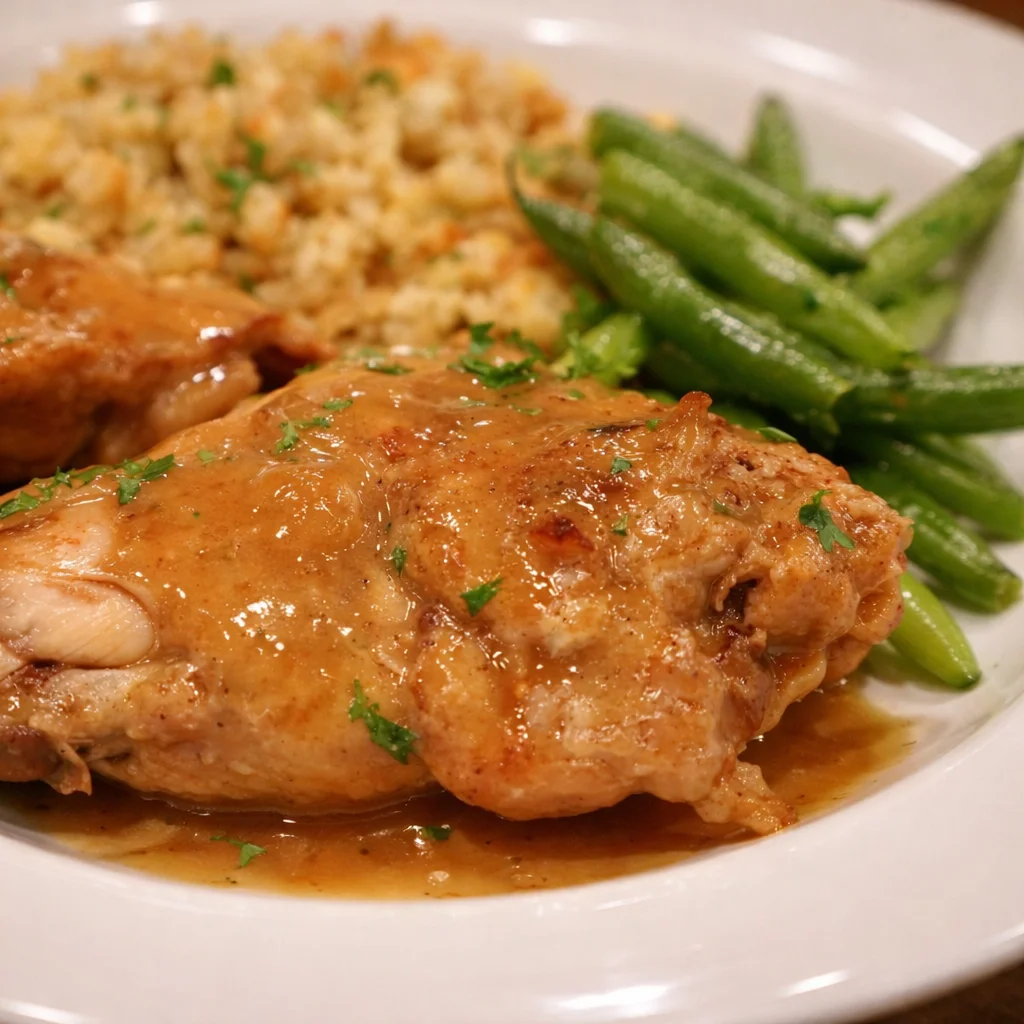
Hasenpfeffer
Ingredients
Method
- Marinate the rabbit: In a large bowl or zip bag, combine rabbit pieces, wine, vinegar, onion, carrots, celery, garlic, bay leaves, and spices. Cover and chill, preferably overnight.
- Separate and dry: Remove rabbit from marinade, pat dry, and strain the marinade, reserving liquid and veggies.
- Brown the bacon: In a heavy pot, cook bacon until crisp, then remove and set aside.
- Dredge and brown the rabbit: Lightly salt the rabbit, dust with flour, and brown in batches, avoiding crowding the pot.
- Soften the marinated veggies: Add strained veggies to the pot, cooking for a few minutes and scraping up the browned bits.
- Simmer: Return the reserved marinade and 1 cup broth to the pot. Add the bacon back. Bring to a gentle simmer, cover, and cook for 1.5 to 2 hours until rabbit is tender.
- Finish the sauce: Adjust seasoning with sugar or broth as needed for thickness or sharpness.