Australian pavlova recipe moments usually happen right when you need an easy dessert that looks fancy, but you do not want to stress. Maybe you have friends coming over, or it is a holiday meal and you volunteered to bring something sweet. You want that crisp shell, soft marshmallow middle, and a cloud of cream on top, but you also want it to actually work. I have made my share of cracked, sticky, slightly sad pavlovas so you do not have to. Let me walk you through the way I make mine at home, with all the little tips I wish someone had told me sooner. 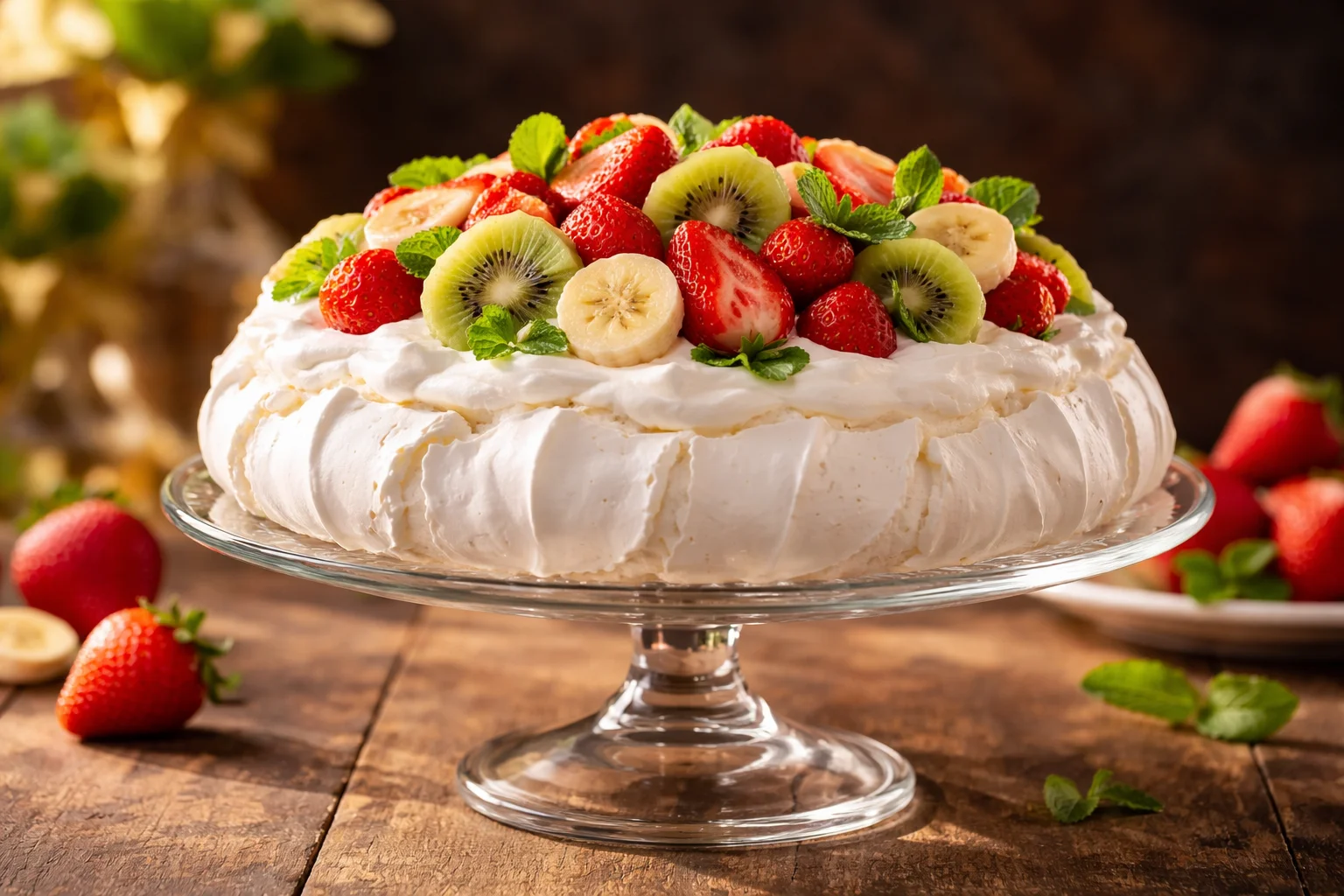
Ingredient notes
Before you start, it helps to understand why pavlova is picky. It is basically egg whites and sugar doing a delicate dance, so small things matter. The good news is you do not need anything fancy, just the right basics and a little patience.
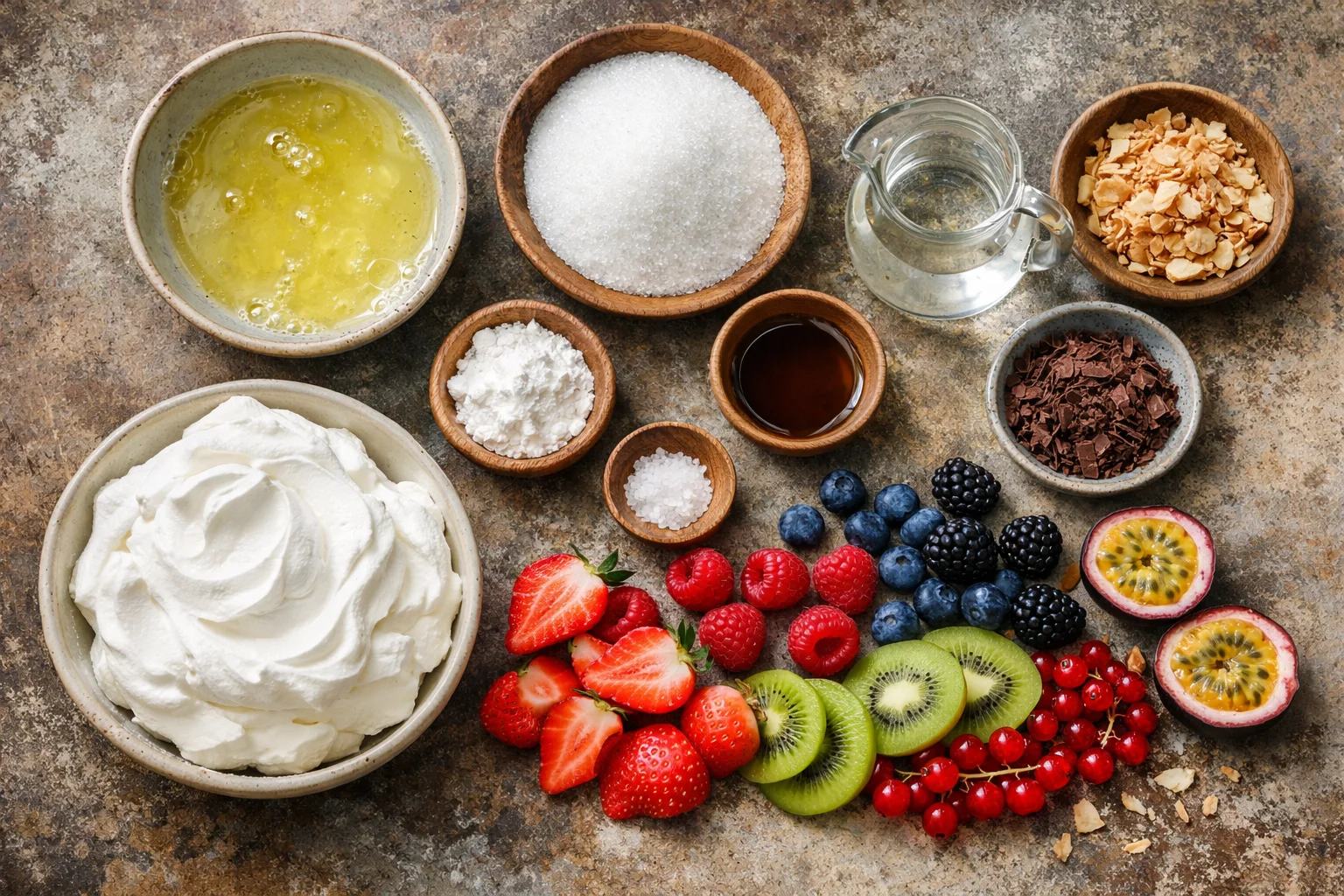
Here is what I use for my go to Australian pavlova recipe:
- Egg whites: fresh is best, and make sure there is zero yolk. Even a tiny bit can stop the whites from whipping properly.
- Superfine sugar: it dissolves faster so you get that smooth glossy meringue. If you only have regular sugar, you can pulse it in a blender for a few seconds.
- Cornstarch: this helps keep the inside soft and marshmallowy.
- White vinegar or lemon juice: a small amount helps stabilize the meringue.
- Vanilla: for that gentle dessert flavor.
- Pinch of salt: it makes everything taste more balanced.
For the topping, I keep it simple: whipped cream, fruit, and maybe a little extra sparkle like toasted coconut or shaved chocolate. If you like to prep ahead, you can wash and cut fruit earlier in the day, then keep it chilled until serving.
One more thing I always mention: use a clean bowl and beaters. Like, really clean. I wipe mine with a little vinegar on a paper towel if I am feeling paranoid, which is most days.
If you enjoy light desserts like this, you might also like checking out another fruity dessert idea on my site for when you want something fresh and low effort.
How to make Australian pavlova
This is the part that makes people nervous, but I promise it is doable. I have made this Australian pavlova recipe for casual weekends and special dinners, and it always feels like a win when you pull that big white cloud out of the oven.
Step by step, in plain language
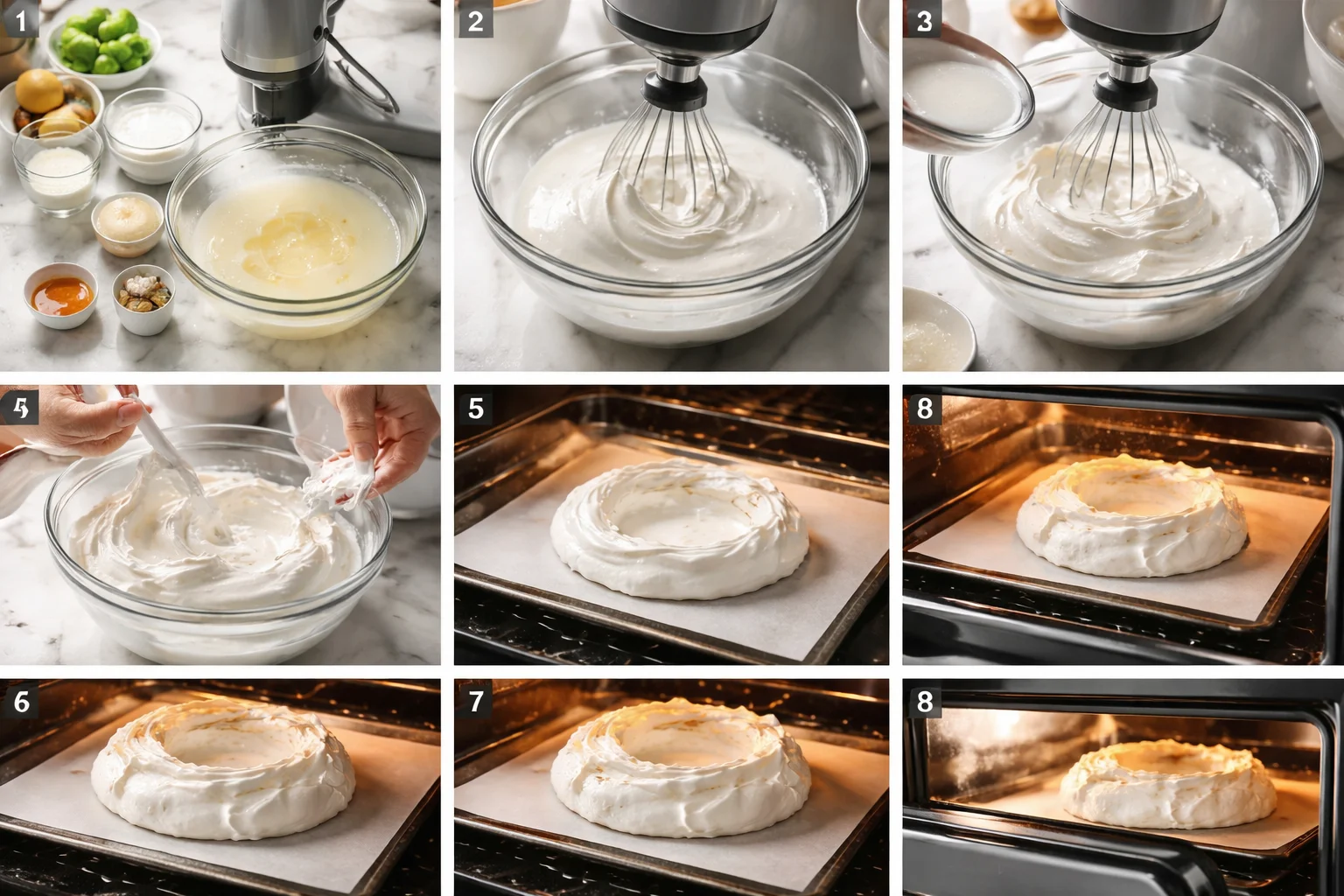
1) Preheat and set up. Heat your oven to 300 F or 150 C, then line a baking tray with parchment paper. Draw a circle as a guide if you want a neat shape. Flip the paper over so you do not bake on the ink.
2) Start whipping egg whites. Beat the egg whites with a pinch of salt until they look foamy, then keep going until you see soft peaks. Soft peaks means the tip droops over when you lift the beater.
3) Add sugar slowly. This is the make or break part. Add the sugar one spoon at a time, beating well between each addition. The mixture should turn thick, glossy, and hold stiff peaks. If you rub a little between your fingers, it should not feel gritty.
4) Add cornstarch, vinegar, and vanilla. Sprinkle the cornstarch on top, drizzle the vinegar or lemon juice, add vanilla, then gently fold it in. Do not beat it hard at this stage. Just fold until combined.
5) Shape it. Spoon the meringue onto the parchment and shape it into a tall mound. I like making a slight dip in the center so it holds cream and fruit later.
6) Bake low and slow. Put it in the oven, then immediately turn the temperature down to 250 F or 120 C. Bake for about 1 hour and 15 minutes. It should feel dry to the touch and lift from the paper pretty easily once cool.
7) Cool it gently. Turn the oven off and leave the pavlova inside with the door cracked for at least 1 hour. This helps avoid dramatic cracking. Some cracks are totally normal though, and honestly, the cream covers a lot.
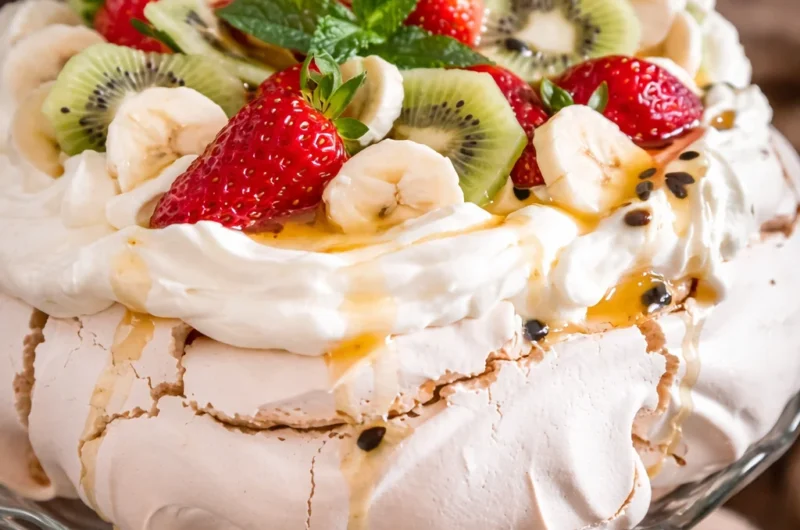
This is one of those desserts that looks like a showstopper even if it is a little rustic. The texture is what matters most: crisp outside, chewy soft middle, and a topping that tastes like a fresh bite of summer.
Tips for a perfect pavlova
I have learned these tips the hard way. If you do them, your pavlova has a much better shot at staying tall, light, and not turning into a sticky mess.
My best pavlova tips:
Use room temperature egg whites. They whip up with more volume. I set mine out for 30 minutes while I gather everything else.
Add sugar slowly. If you rush, it can deflate or feel grainy. Slow is the whole vibe here.
Do not open the oven door. I know it is tempting. Try to resist until the baking time is done.
Cool it gradually. Sudden temperature change can cause big cracks and sinking.
Keep it dry. Pavlova hates humidity. If it is a rainy day, I still make it, but I accept it might be a little softer on the outside.
Also, do not stress about a few cracks. A cracked pavlova is still a delicious pavlova, and once you pile on cream and fruit, it looks charming and homemade in the best way.
“I made this for my mom’s birthday and everyone thought I bought it from a bakery. The center was perfectly soft and the outside had that nice crunch. I am officially on pavlova duty now.”
If you want another easy baking win for guests, I also keep a simple whipped dessert recipe here that comes together fast when you are short on time.
Topping ideas
The topping is where you can really make this dessert feel like you. The base is sweet and light, so I like toppings that add freshness, a little tang, or some texture.
My favorite topping combos:
Classic: whipped cream, strawberries, kiwi, and passionfruit if you can find it.
Tropical: mango, pineapple, toasted coconut, and a squeeze of lime.
Berry blast: cream, blueberries, raspberries, and a spoon of berry sauce.
Lemon love: cream, lemon curd, and fresh berries. That tart lemon with sweet meringue is so good.
Chocolate twist: cream, shaved chocolate, and cherries, kind of like a pavlova meets black forest situation.
One practical note: top it close to serving time. If you add cream too early, the moisture starts softening the crust. I usually bake the meringue earlier in the day, then whip cream and decorate right before we eat.
Watch how to make it {video_youtube}
If you are a visual learner, watching the texture change is super helpful. The biggest thing to look for is the glossy stiff peaks before you shape it, and that dry shell after baking. Once you see it once, you will feel way more confident the next time you make this Australian pavlova recipe.
When you watch, pay attention to these moments:
How slow the sugar goes in, not dumped all at once.
How the meringue looks shiny and thick, not bubbly.
How gently it is shaped, without smashing out all the air.
How it cools in the oven to avoid big sinking.
If your pavlova comes out with a few cracks, just smile and keep going. That is normal. The goal is that crisp bite and that soft center, and you will get there.
Common Questions
1) Can I make pavlova the day before?
Yes. Bake the meringue the day before and store it in a dry spot at room temperature. Do not put it in the fridge. Add cream and fruit right before serving.
2) Why is my pavlova sticky on the outside?
Usually it is humidity, underbaking, or sugar that did not fully dissolve. Next time, add sugar more slowly and make sure it feels smooth, not gritty, before baking.
3) What if my pavlova cracks?
Cracks happen all the time. It is still delicious. Cool it slowly in the oven, and cover the top with cream and fruit. No one complains.
4) Can I use carton egg whites?
I would not for pavlova if you can avoid it. Fresh egg whites whip more reliably. If you do use carton whites, check that they are meant for whipping.
5) How do I know when it is done?
It should feel dry on the outside and lift from the parchment once it is cool. It might still be slightly soft inside, and that is exactly what you want.
Sweet, light, and totally worth it
If you have been nervous to try pavlova, I hope this makes it feel simple and doable. Once you nail the basics, this Australian pavlova recipe becomes one of those desserts you can pull out for birthdays, barbecues, or just because you feel like making something pretty. For more help and extra topping inspiration, I like browsing Easy Australian Pavlova Recipe with Topping Ideas | Wandercooks and I also trust the detailed breakdown over at Pavlova!! – RecipeTin Eats when I want to double check timing. Now go grab those egg whites, take it slow with the sugar, and have fun decorating the top. You are going to love how light and irresistible it turns out. 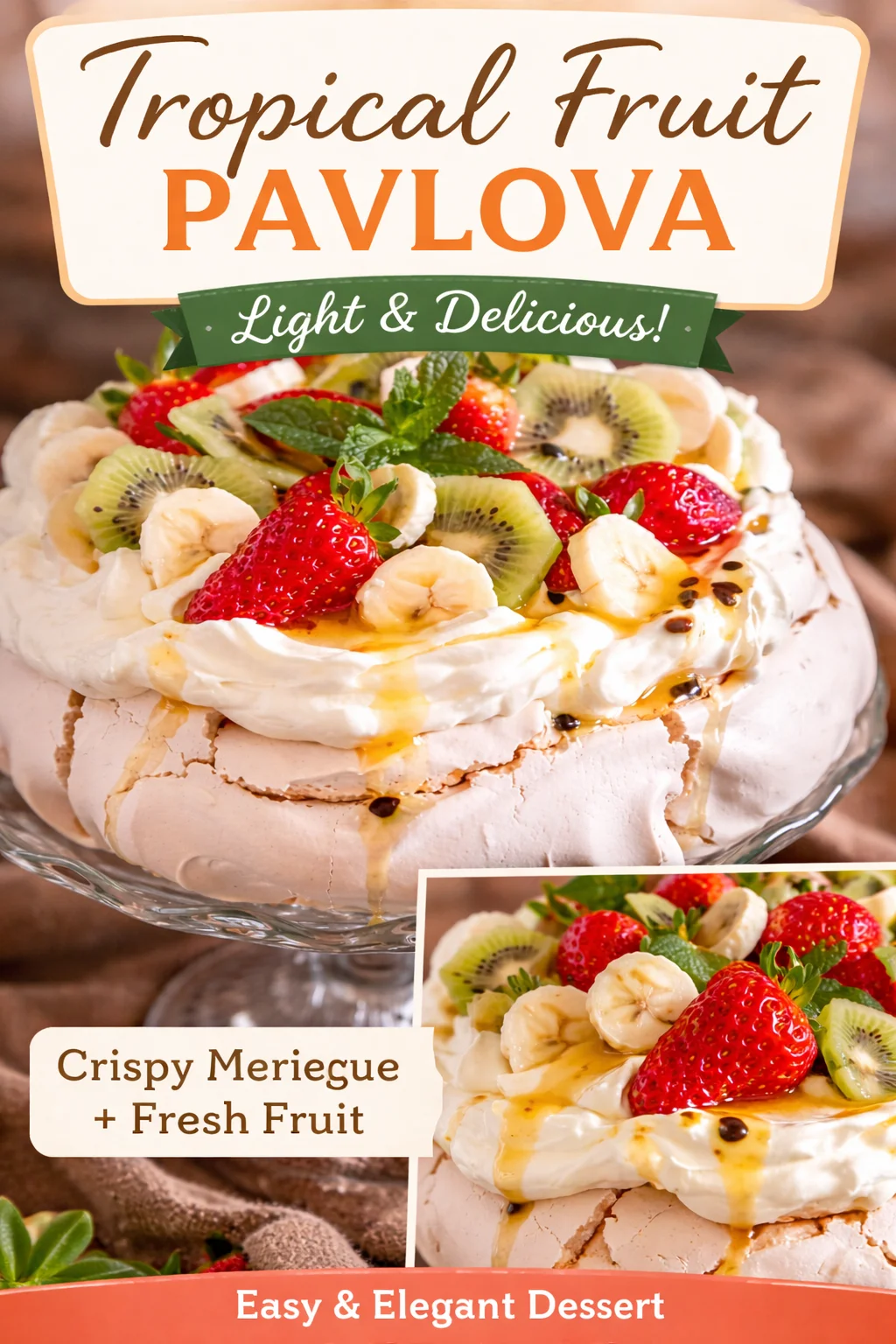
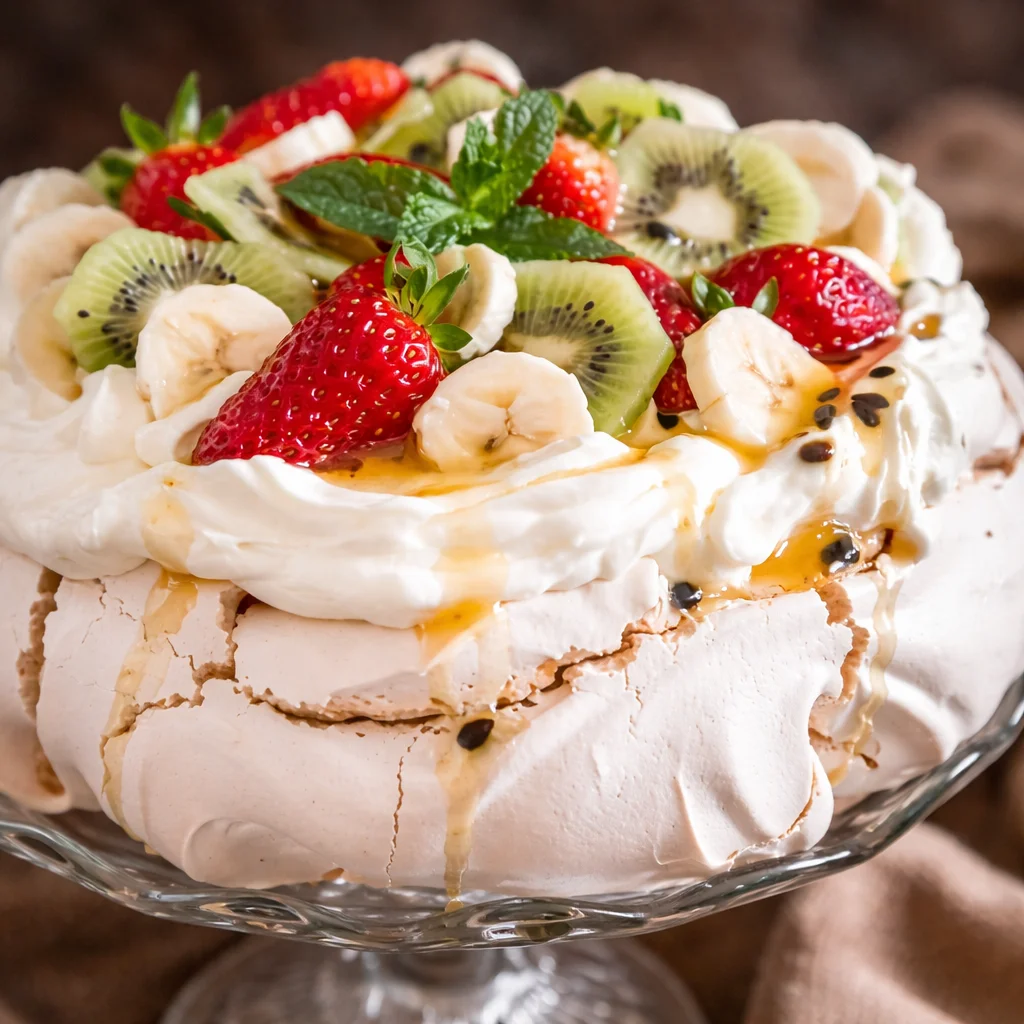
Australian Pavlova
Ingredients
Method
- Preheat your oven to 300°F (150°C) and line a baking tray with parchment paper, drawing a circle as a guide.
- Beat the egg whites with a pinch of salt until foamy, then continue until soft peaks form.
- Slowly add sugar, one spoon at a time, beating well until the mixture is thick and glossy, holding stiff peaks.
- Gently fold in cornstarch, vinegar, and vanilla until just combined.
- Spoon the meringue onto the parchment and shape it into a tall mound with a dip in the center.
- Bake the meringue at 250°F (120°C) for about 1 hour and 15 minutes until dry to the touch.
- Turn off the oven and leave the pavlova inside with the door cracked for at least 1 hour to cool.
- Top the cooled pavlova with whipped cream and fruit just before serving.
- Optional: garnish with toasted coconut or shaved chocolate.