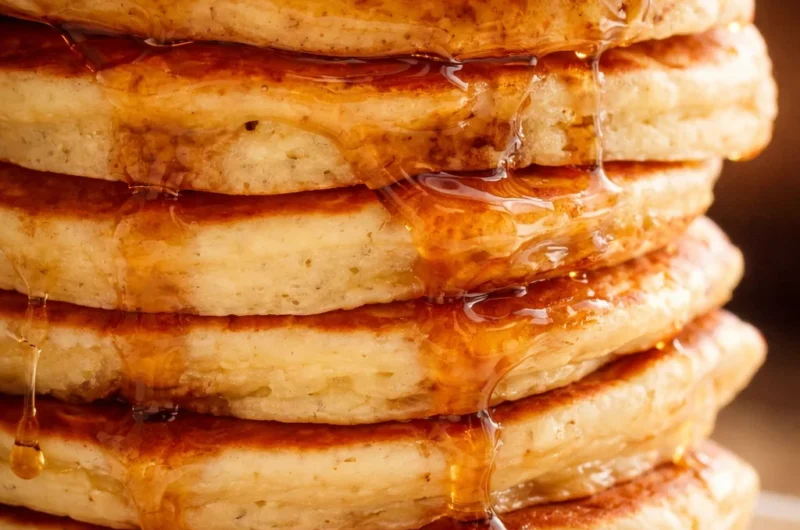
how to make best pancakes is one of those things that sounds easy until you are standing over a pan at 9 a.m. wondering why your stack looks sad and tastes kind of flat. I have absolutely been there, especially when friends are over and I want breakfast to feel a little special. The good news is you do not need fancy tools or chef skills to pull off pancakes that make people go quiet after the first bite. You just need the right batter, the right heat, and a few small habits that change everything. I am going to walk you through exactly what I do at home, including the mistakes I learned the hard way. 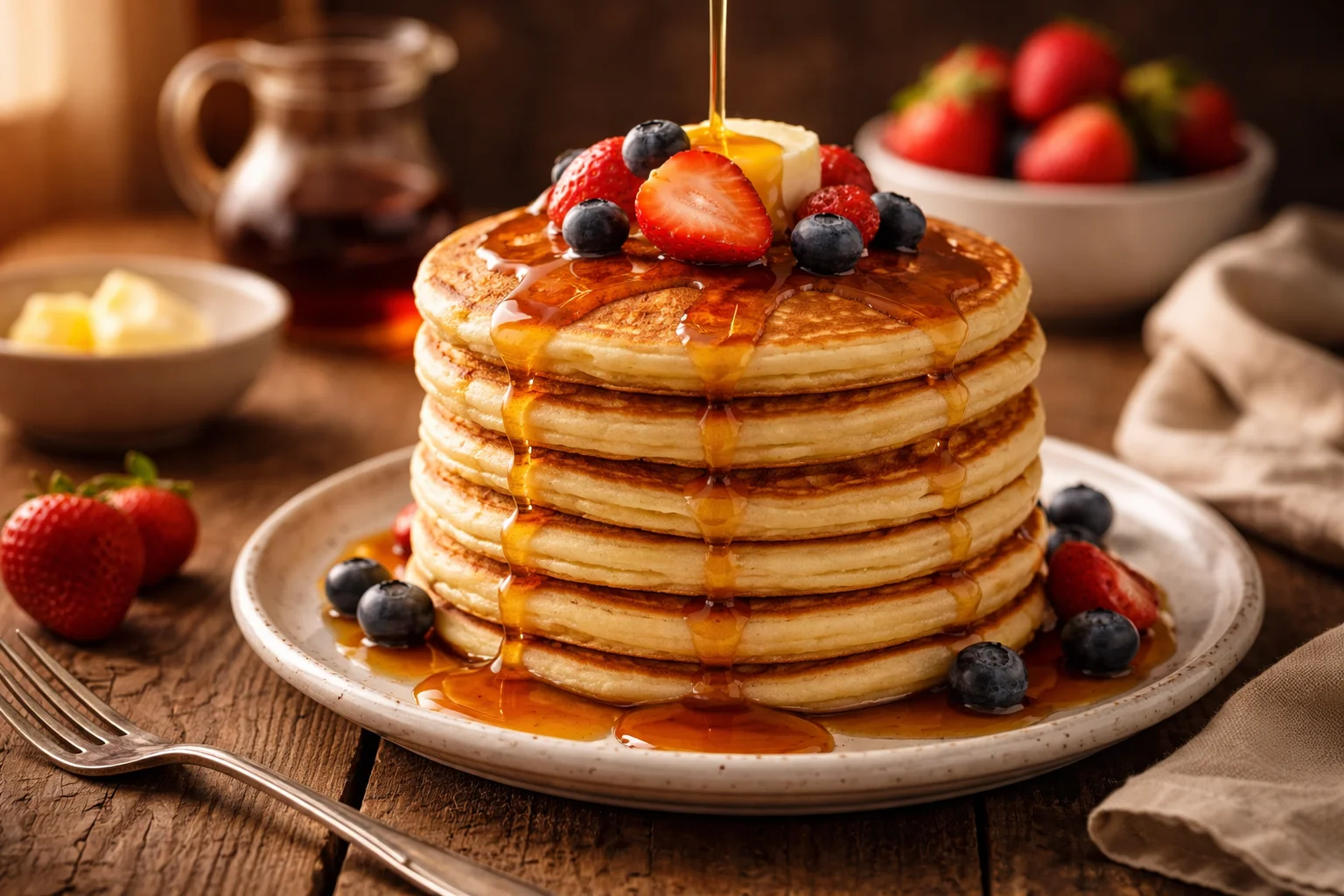
Top Tips for Making Fluffy Pancakes
If your goal is that fluffy, tender middle with lightly crisp edges, it is less about luck and more about a few repeatable steps. I used to think fluffy pancakes were just about dumping in extra baking powder. Nope. The real magic is gentle mixing, good timing, and letting the pan do its job.
My no stress method for fluffy texture
Here is what I do almost every single time, and it works whether you are cooking for one or a whole crowd.
1) Do not overmix the batter. Stir just until the dry flour disappears. If you see a few small lumps, you are doing it right. Overmixing makes pancakes tougher because the flour gets worked too much.
2) Let the batter rest. Even 5 to 10 minutes helps. The flour hydrates, the bubbles settle in, and the pancakes cook up thicker instead of spreading thin.
3) Use medium heat, not high. High heat gives you dark outsides and raw centers. Medium gives you that even golden color with a fully cooked middle.
4) Wait for bubbles. Flip when you see bubbles on top that pop and leave little holes, and the edges look set. If you flip too early, the pancake tears and deflates.
5) Do one tester pancake. I always do a small first pancake to dial in heat. It saves the rest of the batch from being too pale or too brown.
If you are building a full breakfast, I also like to prep add ons ahead of time so I am not multitasking while pancakes are cooking. For example, if you want something savory alongside, you can check out my quick skillet breakfast ideas and pick one thing to make while the batter rests.
One more little tip that feels almost silly but matters. When you pour the batter, do not smash it down with the spatula. Let it puff on its own.
Essential Ingredients for Perfect Pancakes
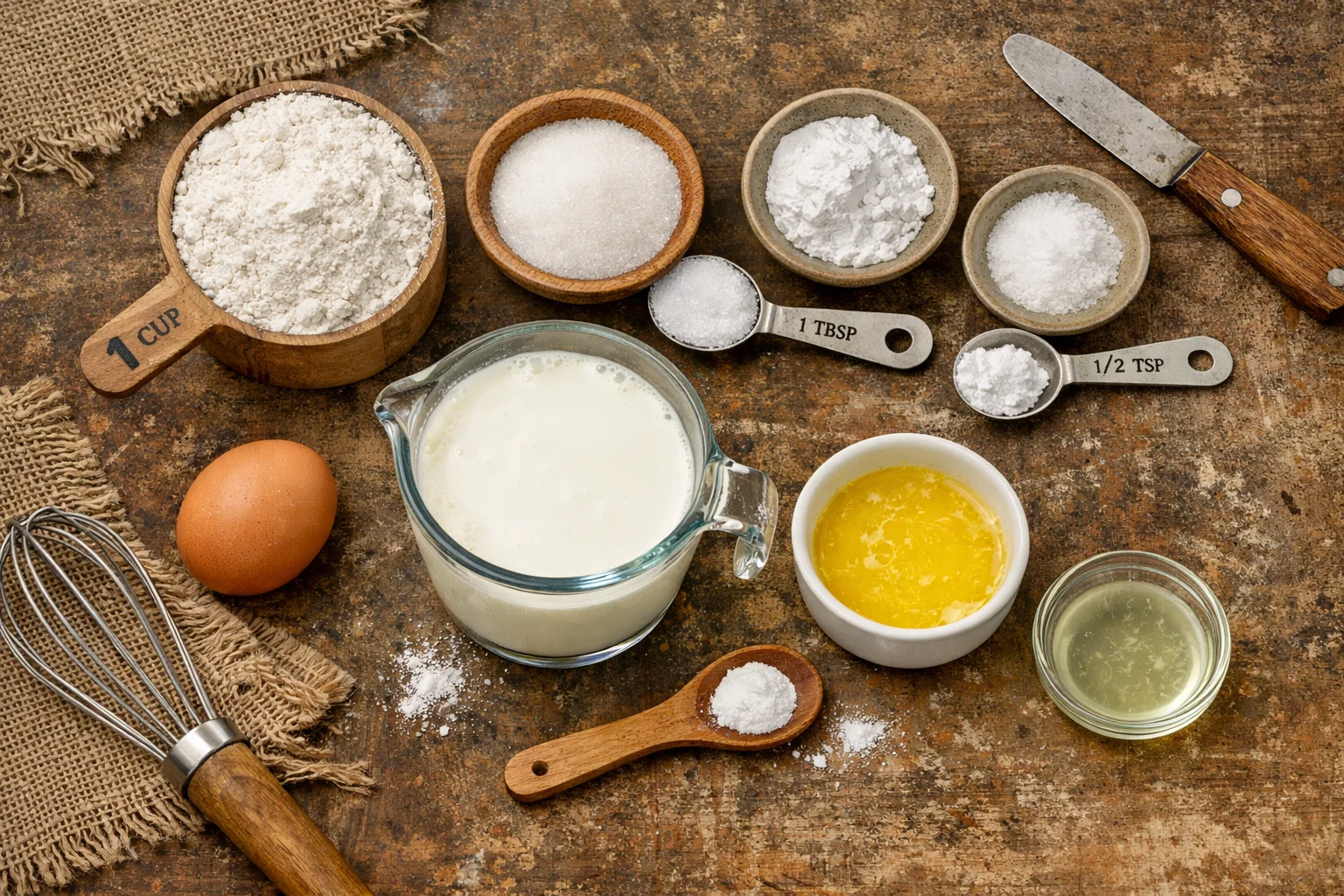
Let us talk ingredients, because pancakes are simple, but every ingredient actually has a job. When people ask me how to make best pancakes that taste like a cozy diner breakfast, I tell them to focus on freshness and balance. Old leavening agents are the silent pancake killers. If your baking powder has been sitting open for ages, replace it.
What you need and why it matters
- All purpose flour: Gives structure. You can swap in some whole wheat, but do not go 100 percent unless you like a heavier bite.
- Baking powder: The big lift. This is what helps pancakes rise and stay airy.
- Baking soda (optional but great if using buttermilk): Adds extra lift and helps with browning.
- Sugar: Not just for sweetness, it helps with color and that light crisp edge.
- Salt: Makes the flavor pop. Pancakes without salt taste weirdly bland.
- Milk or buttermilk: Milk is classic. Buttermilk gives a tangy flavor and softer texture.
- Eggs: Help bind everything and add richness.
- Melted butter or neutral oil: Butter brings flavor. Oil keeps them moist. I often use butter because I cannot resist.
- Vanilla (optional): Makes the whole kitchen smell like weekend.
Here is the basic ratio I lean on for about 8 medium pancakes: 1 cup flour, 2 tablespoons sugar, 2 teaspoons baking powder, 1/2 teaspoon salt, 1 egg, 1 cup milk or buttermilk, and 2 tablespoons melted butter. If you are using buttermilk, add 1/4 teaspoon baking soda.
And yes, you can absolutely make a DIY buttermilk in a pinch. Add 1 tablespoon lemon juice or white vinegar to 1 cup milk, stir, and let it sit for 5 minutes. It is not identical, but it gets you close enough for a fluffy stack.
If you are the type who loves planning a whole brunch spread, you might also like my guide to easy homemade syrups and sauces so your pancakes feel a little extra without extra effort.
;
Common Mistakes to Avoid
Okay, here is the part that saves you from heartbreak. I have made every pancake mistake possible. I have served undercooked centers to my family and tried to play it off like it was “custardy.” Nobody bought it.
Mistake 1: Overmixing. I know I already said it, but it is the number one issue. The batter should look soft and slightly lumpy, not smooth like cake batter.
Mistake 2: Skipping the rest. When you rush the batter straight to the pan, you usually get flatter pancakes. Resting also makes the batter thicker, which helps you get that tall stack.
Mistake 3: Pan too hot or too cold. Too hot burns. Too cold dries them out because they sit longer and lose moisture. Medium heat is your friend, and a test pancake tells you the truth fast.
Mistake 4: Pressing down with a spatula. This one hurts because it feels productive. But it squeezes out the air you worked for. Let them rise.
Mistake 5: Flipping too many times. Flip once, maybe twice if you really need it, but constant flipping makes them dense and messy. One confident flip is the goal.
Mistake 6: Greasing the pan the wrong way. If you add a ton of butter each time, it can burn and leave bitter spots. I like to grease lightly, then wipe with a paper towel so it is a thin coating. Then I add a tiny bit more every couple pancakes.
“I used to think pancakes were just okay at home, but your resting tip changed everything. My kids asked for seconds and my husband said they tasted like a breakfast place. That never happens.”
One more practical note. If you are cooking for a group, keep finished pancakes warm on a baking sheet in the oven at 200 F. Do not stack them too tightly or they get steamy and soft. If you want them to stay a bit crisp on the edges, lay them in a single layer until serving time.
If you are also figuring out timing for a full morning, I wrote a simple breakfast prep timeline that helps you cook without feeling frantic.
Creative Toppings and Variations
The base pancake is your blank canvas, and this is where you can really wow people. When I am trying to make breakfast feel fun, I do a toppings bar on the table. It looks impressive but it is basically just bowls of stuff I already had.
My favorite topping combos:
Classic: butter, warm maple syrup, and a pinch of flaky salt. That salty sweet thing gets everyone.
Berry and bright: strawberries or blueberries, a spoon of yogurt, and a drizzle of honey.
Dessert vibe: chocolate chips in the batter, then peanut butter and sliced bananas on top.
Cozy fall: sautéed apples with cinnamon and a little brown sugar.
Fancy but easy: lemon zest in the batter, then powdered sugar and blueberries.
If you want variations that still cook well, here are a few that have worked for me:
Blueberry pancakes: Sprinkle berries onto the pancake right after you pour the batter, instead of mixing them into the bowl. This keeps the batter from turning purple and helps the pancakes cook evenly.
Chocolate chip pancakes: Same idea, sprinkle chips on top after pouring. Also, mini chips melt more evenly.
Banana pancakes: Mash half a ripe banana into the wet ingredients. Do not add too much or the centers can get gummy.
Protein boost: Add a couple tablespoons of Greek yogurt to the wet ingredients. It makes them tender and a bit more filling.
And if you are still chasing that “how did you make these?” reaction, do this one little trick. Warm your syrup. Cold syrup on hot pancakes is a mood killer. Ten seconds in the microwave is enough.
Frequently Asked Questions About Pancake Making
These are the questions I get all the time, and honestly, I asked them myself when I was trying to figure out how to make best pancakes without burning half the batch.
Quick Q and A
Q: Why are my pancakes flat?
A: Usually the baking powder is old, or the batter was overmixed. Also check that your pan is not too hot, which can set the outside before the pancake has time to rise.
Q: Can I make the batter ahead of time?
A: You can mix the dry ingredients ahead. For best results, mix wet and dry right before cooking. If batter sits too long, it can lose some of its lift.
Q: How do I know when to flip?
A: Look for bubbles across the surface and edges that look set. If the batter still looks wet and shiny, wait another 20 to 30 seconds.
Q: How do I keep pancakes warm without drying them out?
A: Keep them in the oven at 200 F on a baking sheet. Do not cover tightly with foil or they get steamy.
Q: Can I freeze pancakes?
A: Yes. Cool them completely, then freeze in a single layer before moving to a freezer bag. Reheat in a toaster or oven for the best texture.
A cozy final tip before you get flipping
If you take anything from my kitchen to yours, let it be this: gentle mixing, a short rest, and medium heat will get you most of the way there. Once you get that base down, the toppings and little twists are the fun part. If you want more inspiration, I genuinely like reading Best Fluffy Pancakes – Cafe Delites when I am craving that classic diner style bite, and this deep dive from King Arthur is super helpful too: I’ve baked over 18000 pancakes. Here’s how to make your best. Now go make a batch, do that first tester pancake, and enjoy the moment when the kitchen smells like a weekend you actually had time for.
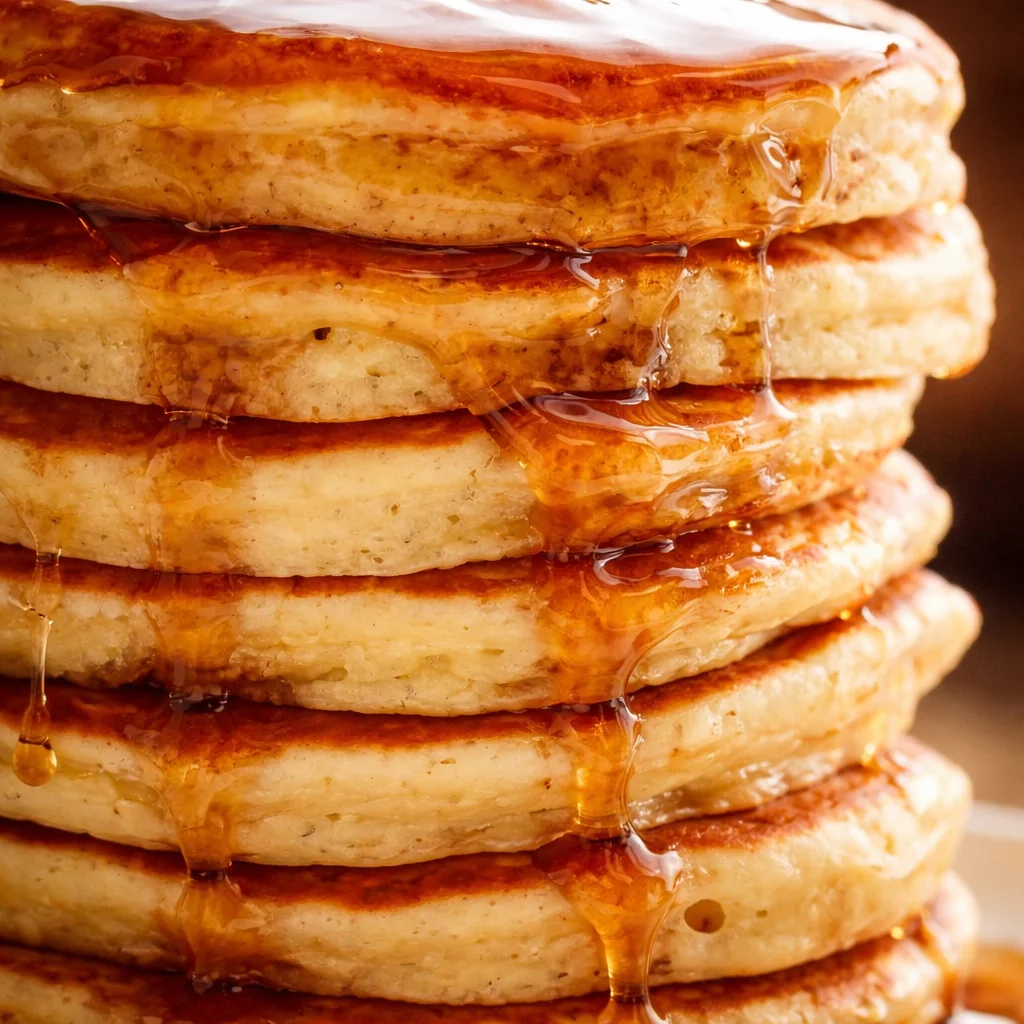
Fluffy Pancakes
Ingredients
Method
- In a large bowl, combine the dry ingredients and whisk together.
- In a separate bowl, whisk together the wet ingredients.
- Pour the wet ingredients into the dry ingredients and stir until just combined. Do not overmix; small lumps are okay.
- Let the batter rest for 5 to 10 minutes.
- Preheat your skillet over medium heat.
- Pour batter onto the skillet and wait for bubbles to form on the top before flipping.
- Flip and cook until the other side is golden brown.
- Keep finished pancakes warm in the oven at 200°F while cooking the rest.